By Space News Correspondent
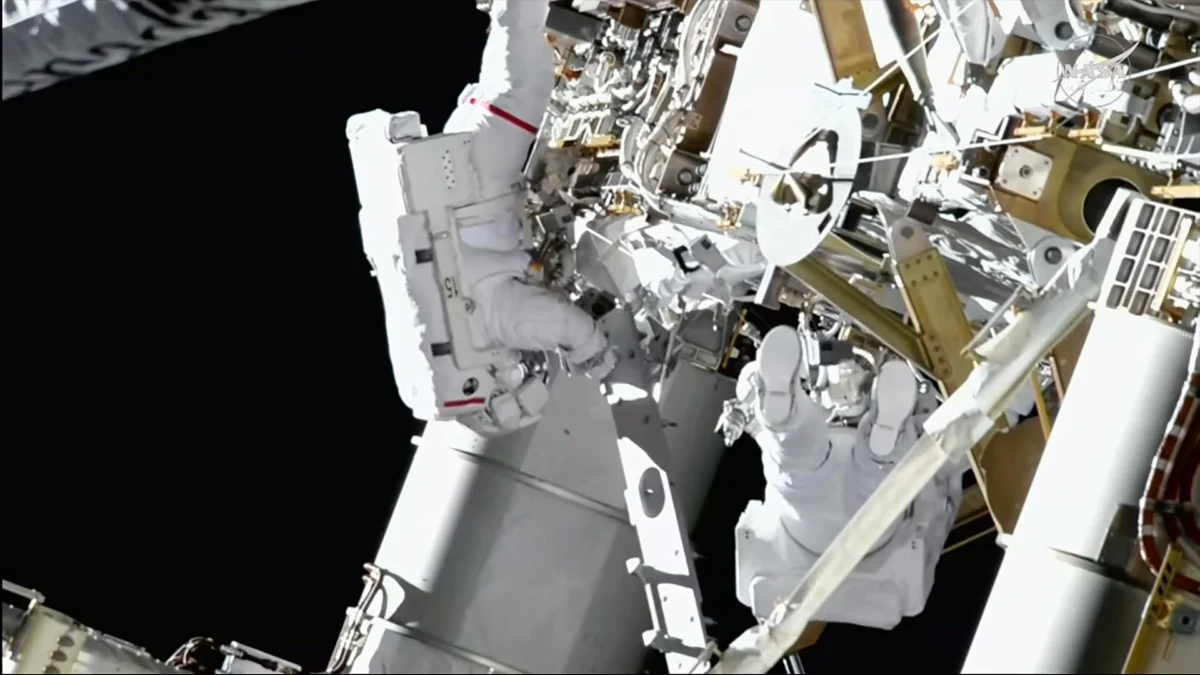
In a feat of orbital engineering that mirrors the complexity of a high-stakes construction project, NASA astronauts Jessica Meir and Anil Menon successfully completed a 6.5-hour spacewalk on Thursday, August 6, 2026. Working outside the International Space Station (ISS), the duo installed the seventh and final set of mounting hardware required for the station’s advanced Roll-Out Solar Array (iROSA) system. This milestone marks a significant step forward in ensuring the aging laboratory remains a viable hub for scientific discovery as it approaches its third decade of continuous human occupation.
The Mission: An Orbital "Erector Set"
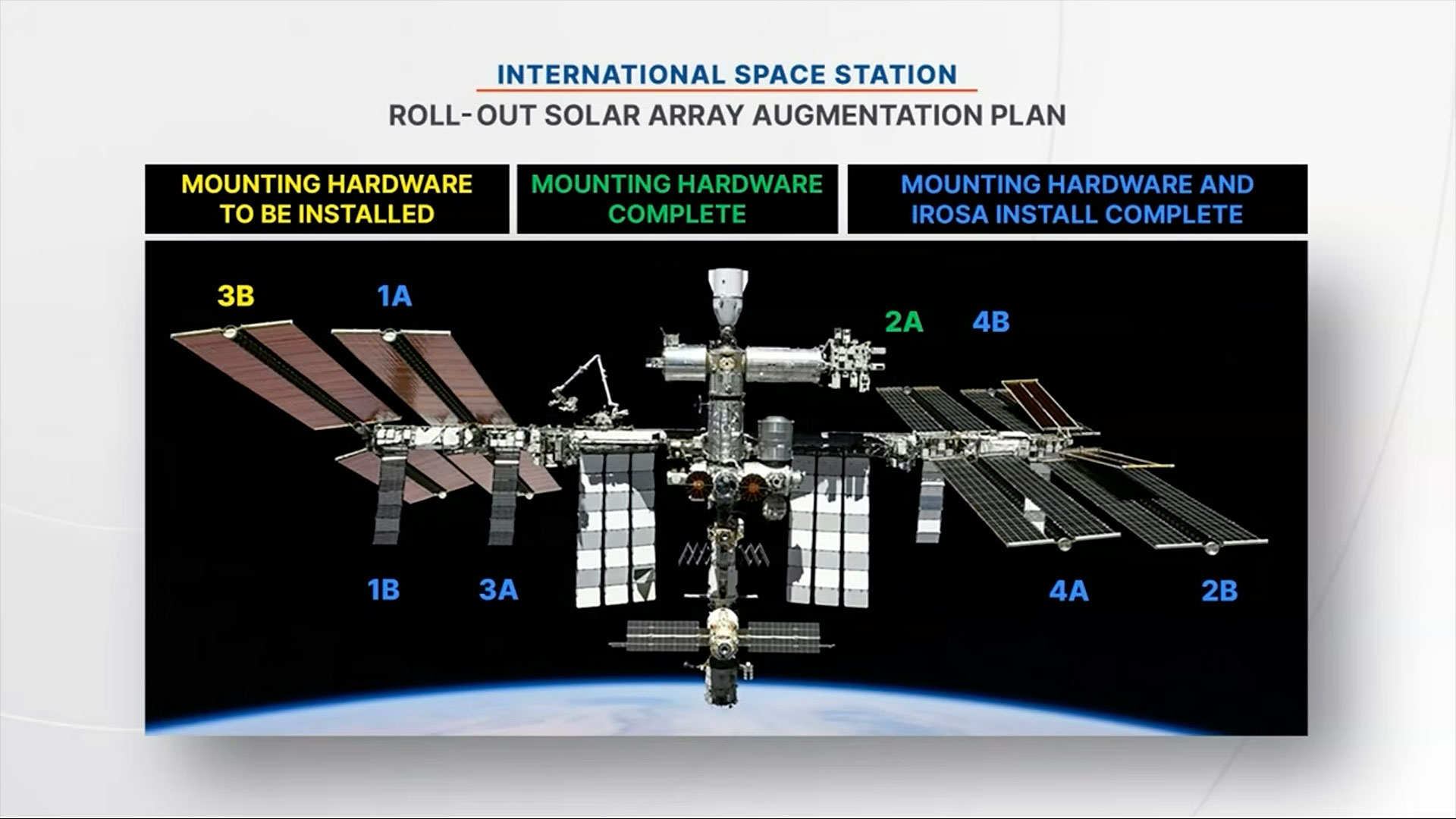
The primary objective of this Extravehicular Activity (EVA) was the preparation of the 3B power channel, located on the far starboard (S6) segment of the station’s massive backbone truss. Since the inception of the iROSA project in 2021, NASA has been systematically augmenting the station’s power grid. The original solar arrays, while revolutionary at the time of their installation, have long exceeded their 15-year design life, resulting in gradual power degradation.
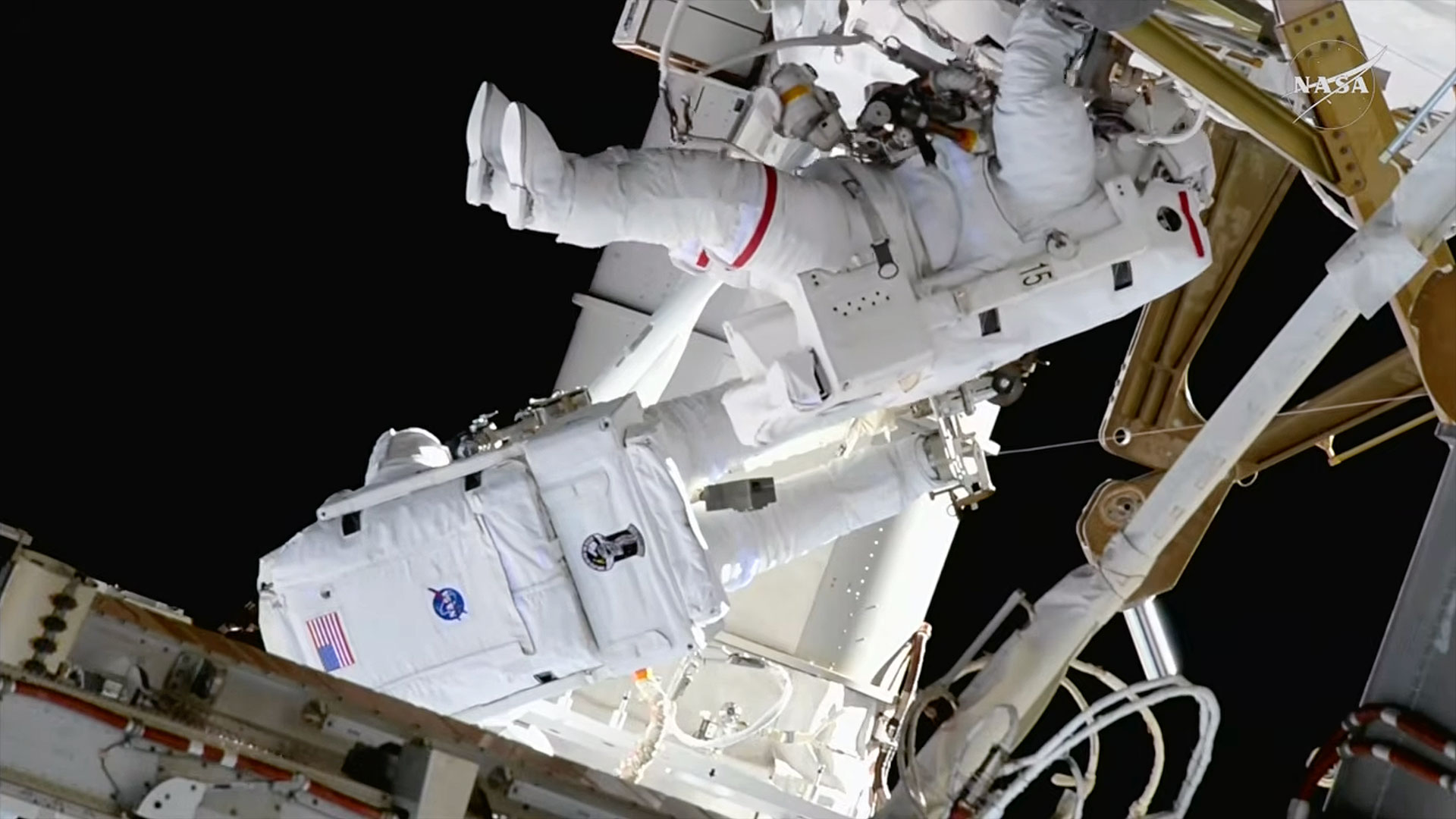
The task performed by Meir and Menon was akin to assembling a giant erector set in the vacuum of space. The astronauts were required to bolt together complex triangular brackets to the 3B mast canister. This modification kit acts as the essential interface that will support the upcoming delivery and deployment of the eighth and final iROSA wing later this year.
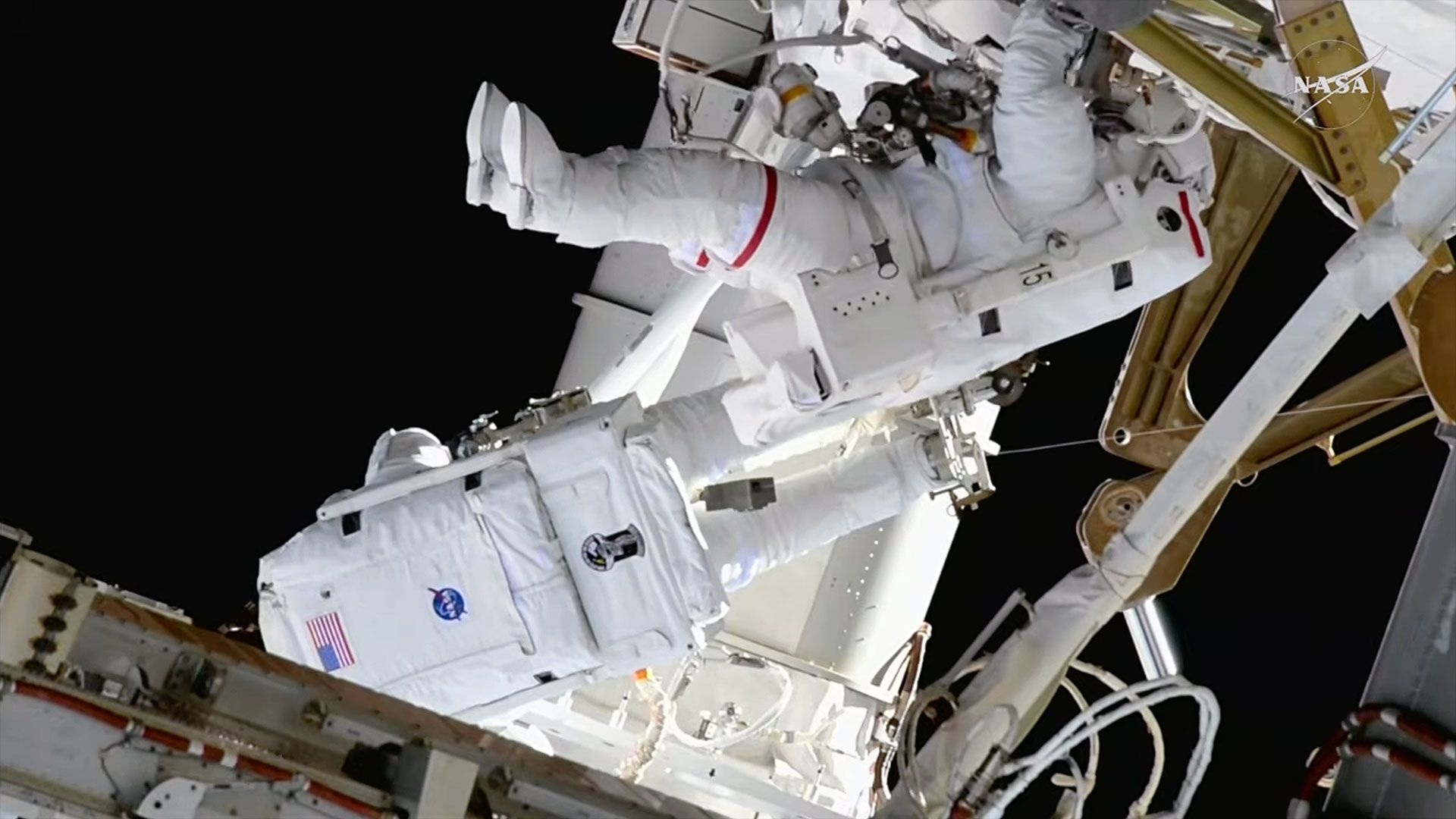
"Anil, you can see the moon to the—well, I am not sure what way you’re facing, but…" said Meir, taking a rare moment to admire the vista during a brief respite from the heavy labor.
"To my right. Yeah, I see it—thanks for the heads-up," Menon replied. "I can see a future moon base there."
A Chronology of the Spacewalk
The spacewalk, designated as a U.S. EVA, commenced at 8:33 a.m. EDT (1233 GMT) on Thursday, when the astronauts transitioned their specialized EMU (Extravehicular Mobility Unit) spacesuits to internal battery power. This transition is the traditional "go" signal for exiting the pressurized environment of the Quest airlock.
The Phases of the EVA:
- 08:33 AM: Battery power transition and airlock egress.
- 09:15 AM: Deployment to the 3B power channel worksite. Menon utilized an Articulating Portable Foot Restraint (APFR) atop a Worksite Interface (WIFEX), providing the necessary stability to manipulate heavy structural components while suspended 250 miles above Earth.
- 11:30 AM: Successful assembly of the modification kit structure.
- 01:00 PM: Routing of high-voltage cabling. The astronauts spent significant time ensuring that the electrical conduits were correctly configured to bridge the gap between the future iROSA array and the station’s internal power grid.
- 02:00 PM: Installation of Multi-Layer Insulation (MLI). This protective shielding is critical, as it protects the delicate struts and electrical components from the abrasive impact of micrometeoroids and orbital debris.
- 03:00 PM: Ingress back into the Quest airlock, marking the conclusion of the 6-hour and 27-minute excursion.
Engineering Implications: Boosting Station Power
The installation of these mounting brackets is not merely a maintenance chore; it is an essential capacity upgrade. The ISS relies on eight primary power channels to operate its life support systems, scientific laboratories, and communication arrays. As these systems grow more energy-intensive, the need for a robust power supply becomes paramount.
The iROSA wings operate differently than the original panels; they are designed to be "rolled out" like a carpet, offering a more efficient power-to-weight ratio. By sitting forward of the legacy solar arrays, they do not replace the old system but rather augment it. Once all eight iROSA units are fully operational, the station’s total electrical output is expected to increase by 20% to 30%. This surplus energy is vital for supporting the next generation of commercial experiments and long-duration research necessary for future deep-space missions.
Looking Beyond Low Earth Orbit
The significance of the work performed by Meir and Menon extends beyond the hardware. During the mission, Meir used the opportunity to draw a poignant connection between the current station operations and the future of human exploration under NASA’s Artemis program.
Referencing the anniversary of the Curiosity rover’s 2012 landing on Mars, Meir reflected on the evolution of human spaceflight. "One day, humans will visit Curiosity, propelled by the groundbreaking science, technology demonstrations and operations conducted here on the International Space Station for almost 26 years now," she noted.
The sentiment was echoed by mission control and the crew alike, emphasizing that every bolt tightened and every cable routed on the ISS serves as a dress rehearsal for the eventual human arrival on the lunar surface and, eventually, the Red Planet.
Supporting Data and Context
This mission represents the 96th U.S.-led EVA dedicated to the assembly and maintenance of the ISS, and the 281st spacewalk in the station’s history. For Anil Menon, this event was a professional milestone—his first career spacewalk. For Jessica Meir, it was her sixth, bringing her total cumulative time spent working in the vacuum of space to an impressive 42 hours and 33 minutes.
The station’s Expedition 75 crew remains in a high-tempo phase of operations. The current workload includes a heavy emphasis on maintenance, as the station nears the end of its operational life, currently projected for 2030.
Upcoming Mission Schedule:
- August 13 (EVA 97): Replacement of a critical space-to-ground antenna to maintain communications reliability.
- August 25 (EVA 98): Connection of power channel cables and data relay systems, alongside the replacement of a navigational aid essential for automated docking maneuvers.
Conclusion: Sustaining the Orbital Outpost
As the International Space Station continues its transit around the Earth, the work performed by Meir and Menon serves as a testament to the resilience of human ingenuity. By effectively "future-proofing" the station’s power architecture, NASA is ensuring that the final years of the ISS remain as productive as its inception.
While the station is eventually destined to be deorbited, the technological legacy being built today—through the deployment of the iROSA arrays and the continuous refinement of spacewalk protocols—is the bedrock upon which the next century of space exploration will be built. Whether it is the pursuit of life-detection on Mars or the establishment of a permanent lunar outpost, the lessons learned in the 3B power channel are guiding humanity’s reach toward the stars.