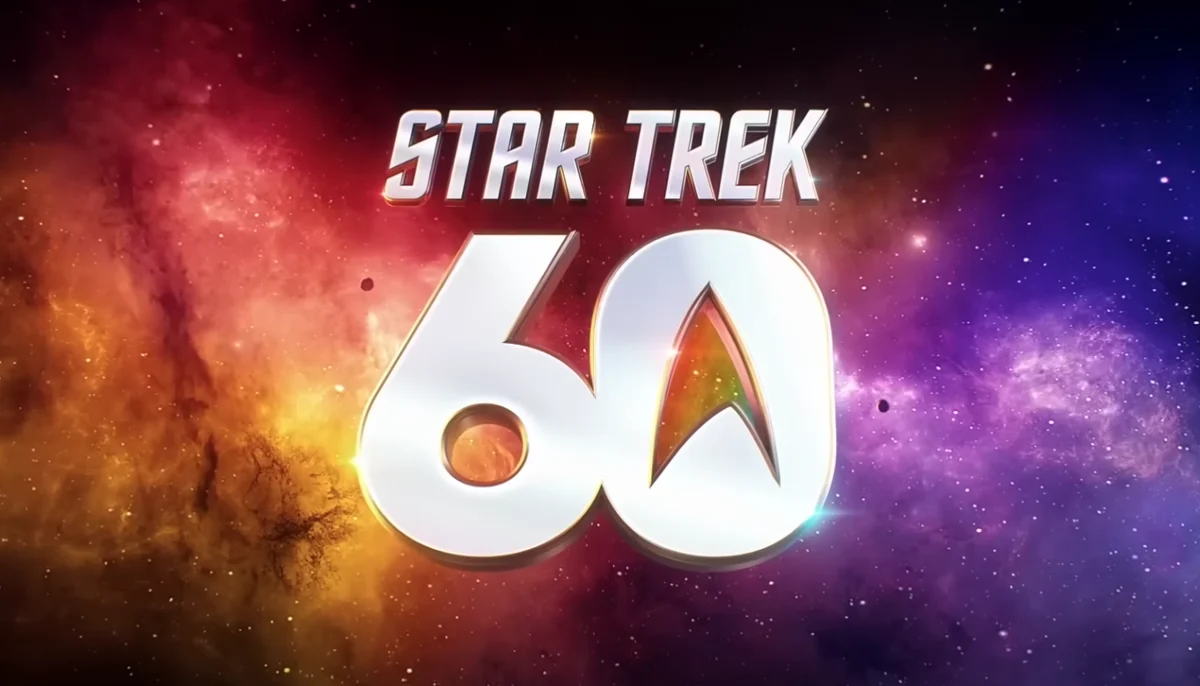
Nostalgia is a powerful, transformative force, but few franchises possess the cultural longevity to wield it with the profound impact of Star Trek. As the iconic space opera celebrated its 60th anniversary at San Diego Comic-Con (SDCC) 2026, the atmosphere in Hall H was thick with the weight of history and the excitement of the future. Paramount’s commemorative tribute video, unveiled during the "Star Trek Universe" presentation, served as a poignant reminder that for six decades, this franchise has not merely provided entertainment—it has acted as a mirror for humanity’s highest aspirations.
From the grainy, monochrome promise of 1966 to the sleek, high-definition multiverses of the current streaming era, Star Trek remains the gold standard for science fiction. As we mark this milestone, it is worth reflecting on the journey from Gene Roddenberry’s "Wagon Train to the Stars" to a sprawling, multi-generational tapestry that continues to define the genre.
A Legacy Written in the Stars: The Main Facts
The 60th-anniversary celebrations at SDCC 2026 underscored a singular truth: Star Trek is no longer just a television show; it is a global institution. The franchise, which first premiered on NBC on September 8, 1966, has survived cancellation, reinvention, and a massive evolution in production technology.
Today, the "Trek" brand encompasses 14 feature films and a robust library of television series that span the narrative spectrum. From the foundational storytelling of The Original Series to the philosophical depth of The Next Generation, the gritty survivalism of Deep Space Nine, the adventurous spirit of Voyager, and the contemporary expansions like Discovery, Picard, and Strange New Worlds, the franchise has successfully transitioned into the digital age.
The anniversary event was not merely a retrospective; it was a testament to the franchise’s ability to adapt. With new projects like Starfleet Academy and the continued expansion of the Strange New Worlds narrative, Paramount is ensuring that the "final frontier" remains an active, evolving space for new generations of viewers.
A Chronological Odyssey: Six Decades of Exploration
To understand the significance of the 60th anniversary, one must appreciate the sheer breadth of the timeline.
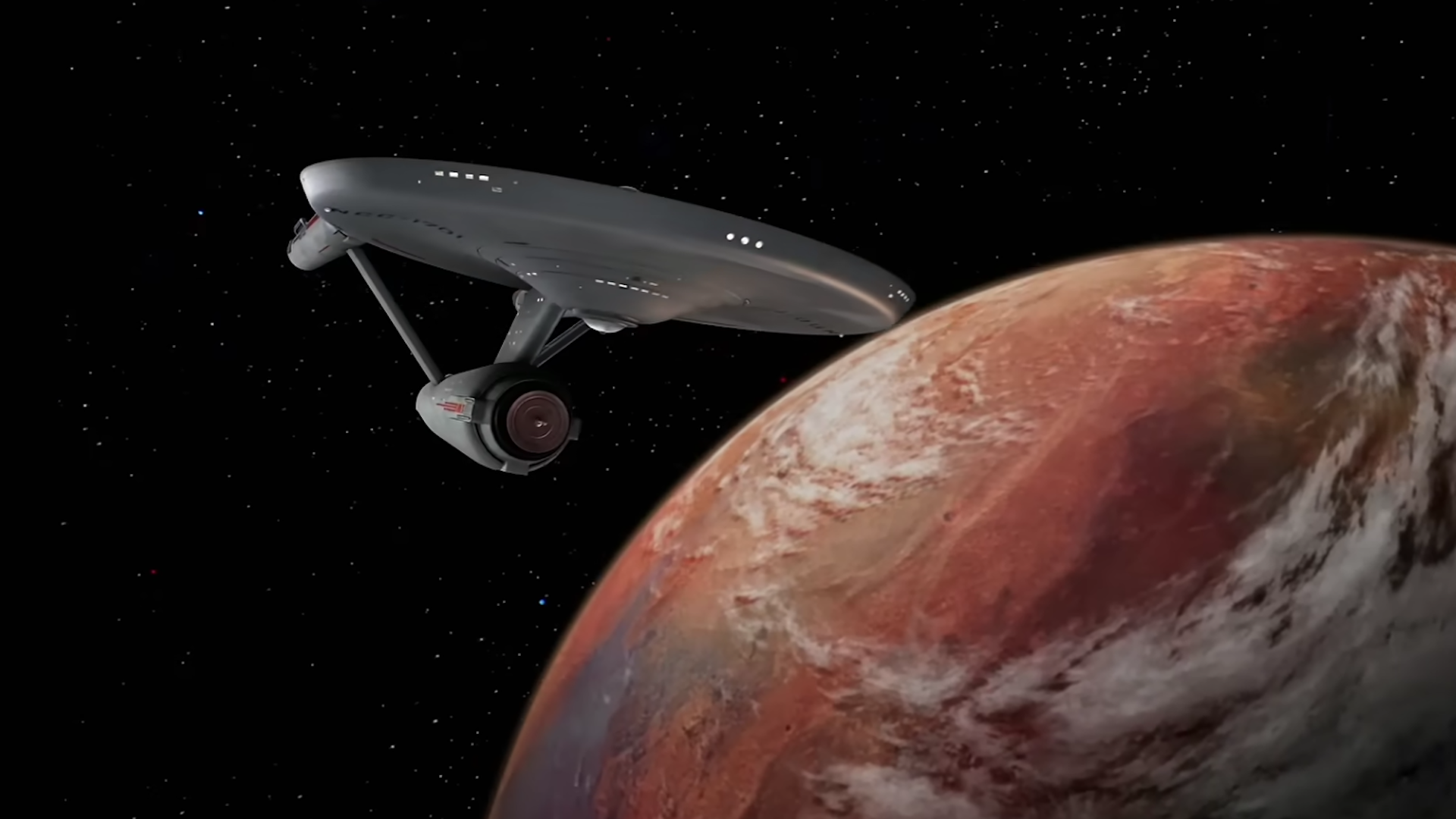
- The 1960s (The Foundation): Star Trek: The Original Series (1966–1969) established the core tenets of the universe: the Prime Directive, the diversity of the crew, and the belief that humanity could overcome its baser instincts to explore the unknown.
- The 1970s and 80s (The Cinematic Shift): Following the success of the animated series and reruns, the franchise moved to the silver screen with Star Trek: The Motion Picture (1979), eventually leading to the critically acclaimed The Wrath of Khan (1982) and the revival of television with The Next Generation (1987).
- The 1990s (The Golden Age): This era saw the height of Trek’s influence, with Deep Space Nine challenging the moral absolutism of the past and Voyager pushing the boundaries of the unknown.
- The 2000s (Transition): Enterprise provided a prequel perspective, while the J.J. Abrams-led "Kelvin Timeline" films injected a high-octane aesthetic into the franchise.
- The 2010s to Present (The Streaming Renaissance): With the launch of CBS All Access (now Paramount+), the franchise experienced a massive surge, characterized by high-budget production values, serialized storytelling, and a diverse range of sub-genres, from the comedic tone of Lower Decks to the high-concept drama of Strange New Worlds.
The Power of the Vision: Supporting Data and Cultural Impact
The longevity of Star Trek is supported by more than just high ratings; it is rooted in its philosophical consistency. Gene Roddenberry’s "hopeful vision" was designed as a rebuttal to the cynicism of the mid-20th century.
Data from the 60th-anniversary panels suggests that the franchise’s influence extends far beyond pop culture. Academics and sociologists have long noted the "Trek Effect," wherein the show’s portrayal of a post-scarcity, egalitarian society has influenced real-world technological development, particularly in fields like mobile communication, medical imaging, and space exploration.
At the SDCC 2026 presentation, it was noted that the franchise has consistently hired diverse voices to shape its future. By featuring a cast and creative team that reflects the global audience, Star Trek remains relevant in a way that few other 60-year-old properties can claim. The sheer number of active productions—including the final season of Strange New Worlds slated for 2027—indicates that the franchise is in its most prolific period since the late 1990s.
Voices from the Bridge: Official Responses
The SDCC 2026 panel was a "who’s who" of the franchise’s history. Anson Mount, Rebecca Romijn, and the rest of the Strange New Worlds cast joined producers Akiva Goldsman, Henry Alonso Myers, and Alex Kurtzman to discuss the upcoming conclusion of their series.
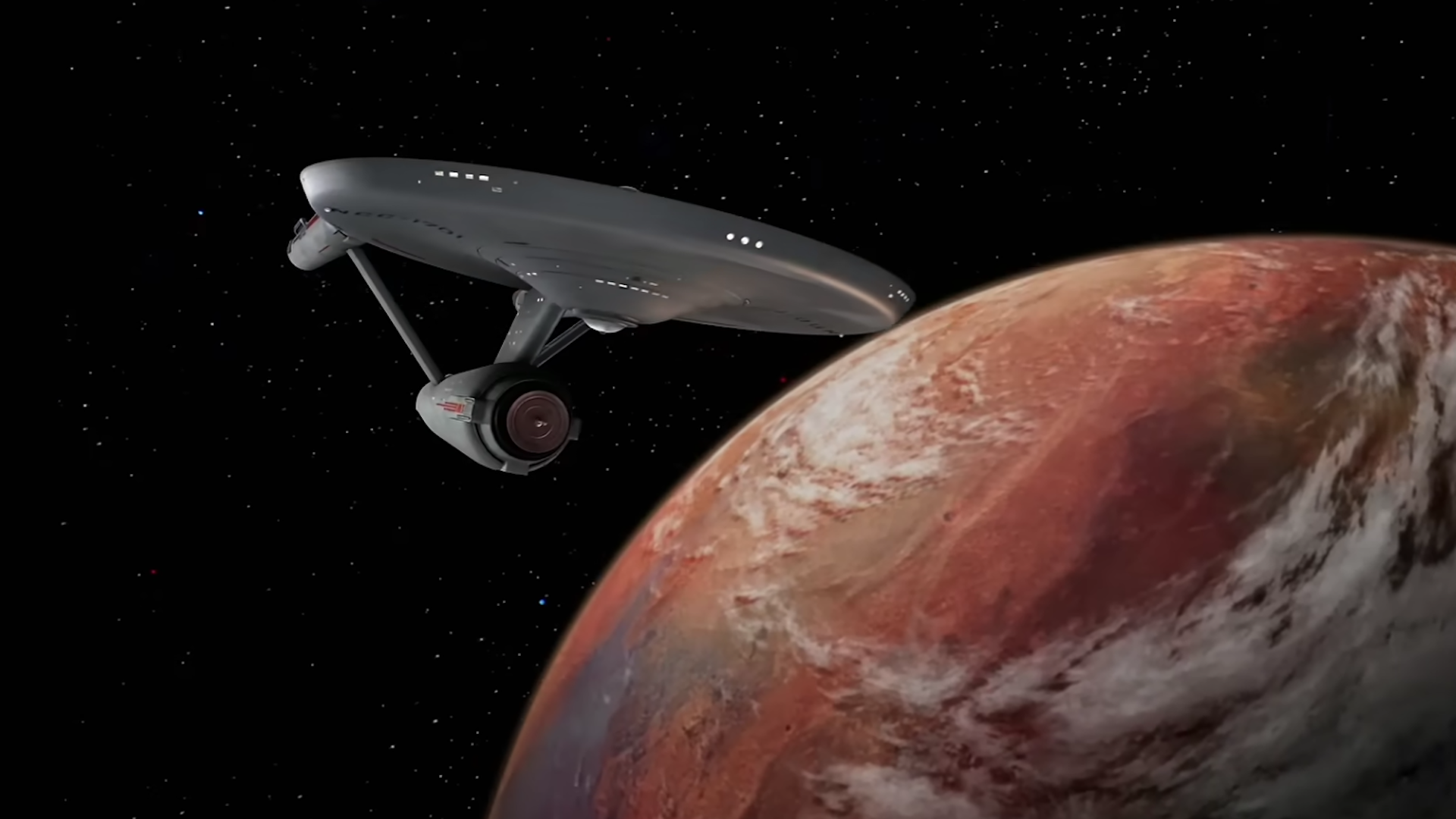
"We are all explorers, driven to know what’s over the horizon," said Scott Bakula’s Captain Archer in the tribute video, a sentiment that resonated throughout the room.
The panel featured a staggering array of talent, including legends like George Takei and Michael Dorn, alongside newer faces like Sonequa Martin-Green and Doug Jones. The presence of Eugene "Rod" Roddenberry served as a bridge between the founder’s original dream and the current iteration of the franchise.
Sonequa Martin-Green’s narration in the tribute video summarized the mission statement for the next 60 years: "For 60 years, ‘Star Trek’ has carried us beyond galaxies out of reach, to the very core of what it means to be human. It began with a bold idea that the future could be united."
Implications for the Future: Where No Franchise Has Gone Before
As Star Trek moves into its seventh decade, the implications of its continued success are significant. The franchise has become a "tentpole" for Paramount, providing a reliable source of content for their streaming platform while maintaining a level of prestige that attracts top-tier talent.
However, the challenge moving forward lies in balance. The franchise must continue to honor the "Roddenberry box"—the parameters of hope, discovery, and diplomatic resolution—while finding ways to surprise an audience that has seen 60 years of tropes and subversions. The success of Strange New Worlds suggests that fans are eager for a return to the episodic, "planet-of-the-week" structure that defined the original era, updated with modern character depth.
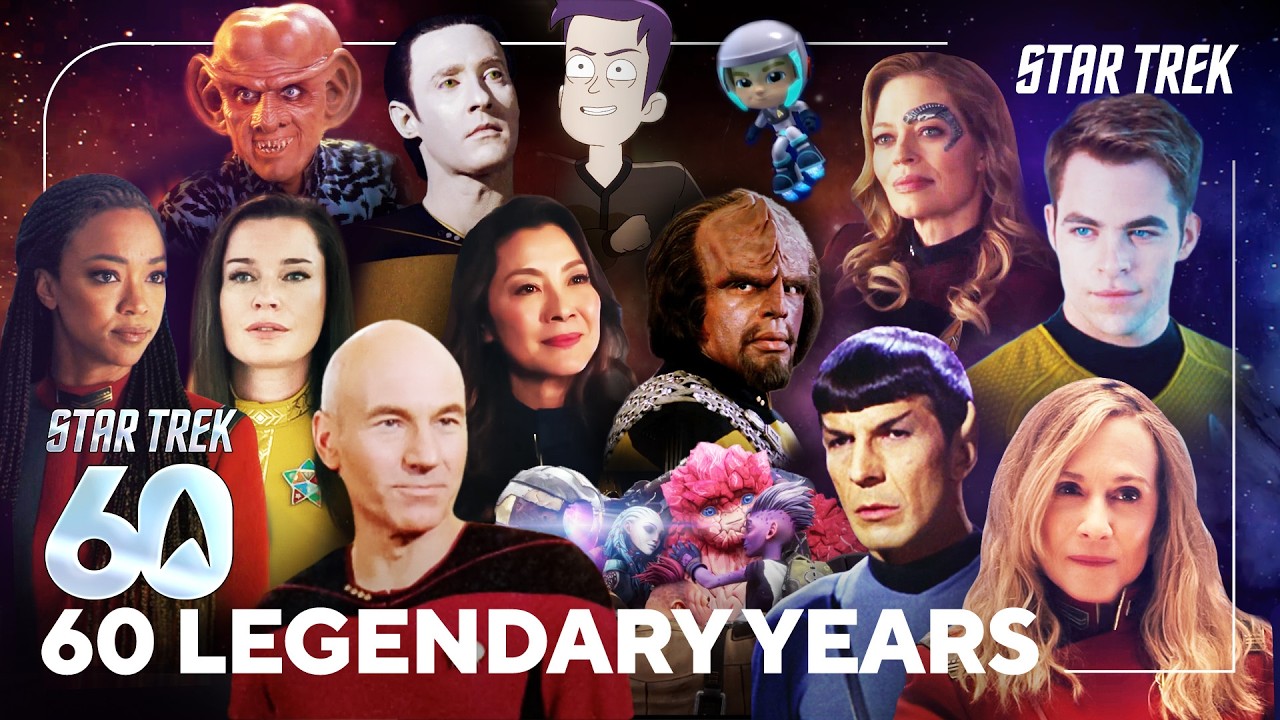
Furthermore, the expansion into animation (Lower Decks, Prodigy) and the focus on the academic side of the fleet (Starfleet Academy) shows that the studio is committed to demographic expansion. By capturing the interest of younger viewers through animation and older fans through legacy casting, Star Trek is building a sustainable ecosystem.
Conclusion: A Mission That Never Ends
As the lights dimmed in Hall H and the cheers of thousands of fans echoed through the convention center, one thing was clear: the mission is far from over. Star Trek has evolved from a fledgling television show into a mythology. It has provided the vocabulary for our future aspirations and a sanctuary for those who believe that, despite the chaos of the present, humanity is capable of greatness.
As we look toward the 60th anniversary events occurring this September, the message remains clear: the horizon is vast, the ships are ready, and there are always new worlds waiting to be explored. Whether you are a fan of the original bridge crew or a devotee of the modern era, the invitation to "boldly go" remains as open as it was in 1966. The legacy of Star Trek is not just in the past; it is a living, breathing promise of what we might become.