[City, Date] – The global telecommunications landscape is a dynamic arena, constantly evolving with significant investments, groundbreaking technological advancements, and strategic partnerships. Today’s telecom news highlights a flurry of activity, from substantial infrastructure funding in India to innovative multi-gigabit broadband deployments in the United States, and cutting-edge satellite communication technology development. Key players such as La Caisse, Altius Telecom Infrastructure Trust, InCoax Networks, Nokia, Lyntris, and Kongsberg Satellite Services (KSAT) are at the forefront of these developments, shaping the future of connectivity.
La Caisse Fuels India’s Telecom Infrastructure Growth with Billion-Dollar Investment
In a significant move that underscores the burgeoning potential of India’s digital economy, Canadian institutional investor La Caisse has injected a substantial INR 121 billion, approximately €1.1 billion, to acquire a 24 percent stake in Altius Telecom Infrastructure Trust. This strategic investment positions La Caisse as a key partner in one of India’s largest independent telecom tower platforms, reinforcing the nation’s ambition to expand its digital backbone and meet the escalating demand for mobile data and next-generation wireless services.
The transaction sees La Caisse joining an esteemed group of investors, including Brookfield, which maintains its position as the largest shareholder. Other notable stakeholders in Altius include entities affiliated with GIC, Singapore’s sovereign wealth fund, and the British Columbia Investment Management Corporation. This collective backing signifies a strong vote of confidence in India’s telecom infrastructure sector and its long-term growth prospects.
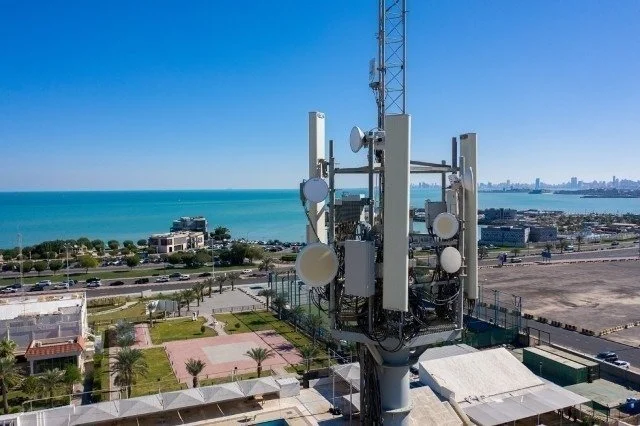
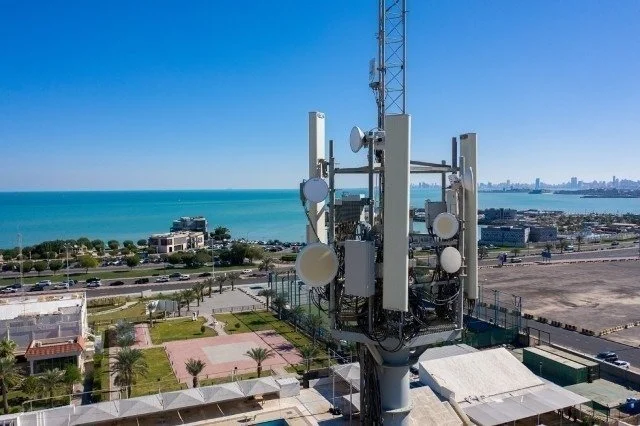
Altius Telecom Infrastructure Trust currently owns and operates an extensive network of over 258,000 telecom towers and sites spread across the vast Indian subcontinent. This formidable infrastructure footprint is strategically poised to capitalize on several key market trends. The relentless surge in mobile data consumption, driven by an increasingly connected population and the proliferation of data-intensive applications, necessitates continuous expansion and enhancement of network capacity. Furthermore, the ongoing rollout of 5G technology across India is a significant catalyst, requiring a denser and more robust tower infrastructure to support higher speeds, lower latency, and an expanded range of innovative services.
The investment from La Caisse is expected to provide Altius with crucial capital to fuel its growth trajectory. This capital infusion will be instrumental in supporting Altius’s strategic initiatives, including the acquisition of new sites, the upgrading of existing infrastructure to meet evolving technological standards, and the development of new passive infrastructure solutions. As Indian telecom operators aggressively pursue network expansion and modernization to meet the surging demand for digital connectivity nationwide, Altius is well-positioned to be a vital enabler of this expansion.
This substantial investment by a prominent Canadian institutional investor not only strengthens the financial foundation of Altius but also sends a powerful signal to the global investment community about the attractiveness and strategic importance of India’s telecom infrastructure market. It signifies a commitment to supporting the development of a resilient and high-capacity network that is fundamental to India’s economic progress and the digital empowerment of its citizens.
Chronology of Key Developments:
- Early Stages of Investment: Discussions and due diligence between La Caisse and Altius Telecom Infrastructure Trust likely commenced several months prior to the official announcement, involving detailed analysis of market trends, regulatory frameworks, and the operational performance of Altius.
- Negotiation and Agreement: Following initial assessments, detailed negotiations would have taken place to determine the stake, valuation, and terms of the investment. This phase would involve legal and financial experts from both parties.
- Regulatory Approvals: Depending on the jurisdictions involved and the size of the transaction, necessary regulatory approvals from Indian and Canadian authorities may have been sought and obtained.
- Official Announcement: The culmination of these efforts was the public announcement of La Caisse’s investment and the acquisition of a 24 percent stake in Altius. This typically involves press releases and investor briefings.
- Post-Investment Integration: Following the completion of the transaction, La Caisse would begin its role as a strategic partner, likely participating in board meetings and contributing to the strategic direction of Altius.
Supporting Data and Market Context:
- India’s Telecom Market Growth: India is one of the world’s largest and fastest-growing mobile markets, with a massive subscriber base and increasing data consumption per user. The penetration of smartphones and the demand for high-speed internet are key drivers.
- 5G Rollout: India has been actively rolling out 5G services, requiring significant investment in network infrastructure, including towers, fiber backhaul, and small cells. Tower companies play a critical role in facilitating this expansion.
- Tower Infrastructure: The demand for passive telecom infrastructure, such as towers, is directly linked to the expansion plans of mobile network operators (MNOs). As MNOs expand their coverage and capacity, they rely on tower companies to provide the necessary physical sites.
- Foreign Investment in Infrastructure: India has been actively encouraging foreign investment in its infrastructure sectors, recognizing its importance for economic development. The telecom sector, being a critical enabler of digital transformation, is a key focus area.
- La Caisse’s Investment Strategy: La Caisse, as a major institutional investor, often seeks long-term, stable investments in sectors with strong growth potential. India’s burgeoning digital economy and its focus on infrastructure development align well with such strategies.
Official Responses and Statements:
While specific direct quotes from La Caisse or Altius for this particular news snippet are not provided, general sentiment from such transactions typically includes:
- La Caisse: Statements would likely emphasize their confidence in India’s economic trajectory, the strategic importance of the telecom sector, and their commitment to supporting Altius’s growth and contribution to digital inclusion. They might highlight the long-term value proposition of investing in critical infrastructure.
- Altius Telecom Infrastructure Trust: The company would likely express enthusiasm about welcoming La Caisse as a strategic investor, underscoring how the new capital will accelerate their expansion plans and enhance their ability to serve telecom operators. They might also reiterate their commitment to providing reliable and scalable infrastructure solutions.
- Brookfield: As the largest investor, Brookfield would likely welcome La Caisse’s participation, viewing it as a validation of their investment strategy and a strengthening of the platform’s financial standing.
Implications for the Telecom Sector:
The substantial investment by La Caisse in Altius Telecom Infrastructure Trust carries significant implications for the Indian and global telecom sectors:
- Accelerated Infrastructure Development: The influx of capital will enable Altius to expedite its expansion and upgrade plans, directly contributing to the faster deployment of 5G and improved broadband connectivity across India.
- Increased Competition and Efficiency: A well-funded and growing tower infrastructure provider can lead to more competitive leasing rates for telecom operators, potentially driving down operational costs and fostering greater efficiency within the sector.
- Attracting Further Investment: This large-scale investment by a reputable institutional investor can act as a catalyst, attracting further domestic and international capital into India’s telecom infrastructure market, further solidifying its attractiveness.
- Digital Inclusion and Economic Growth: Enhanced telecom infrastructure is a foundational element for digital inclusion, enabling access to education, healthcare, financial services, and economic opportunities for a larger segment of the population, thereby contributing to overall economic growth.
- Global Benchmarking: The successful execution of such large-scale infrastructure investments in emerging markets like India sets a precedent and benchmarks for future investment strategies in the global telecom sector.
InCoax Networks and Nokia Revolutionize Broadband Delivery in Minnesota
In a significant stride towards delivering high-speed internet access to underserved and dense urban areas, InCoax Networks, in collaboration with technology giant Nokia, has commenced the activation of a planned deployment across approximately 30 to 40 buildings in northern Minnesota. This initiative marks a pivotal moment, representing the first live operator installations that have materialized from the strategic partnership between InCoax and Nokia, demonstrating the real-world application of their innovative broadband solutions.
The core of this deployment lies in the utilization of Nokia Gigabit Connect, a sophisticated solution that leverages InCoax’s MoCA Access technology. This powerful combination enables the extension of fiber-based gigabit and, crucially, multi-gigabit broadband speeds over existing in-building coaxial cabling. This approach bypasses the often prohibitive costs and complexities associated with rewiring entire buildings, making it a highly attractive proposition for property managers, building owners, and internet service providers (ISPs) alike.
A key enabler of this deployment’s efficiency and scalability is Nokia’s Altiplano Access Controller. This advanced platform provides operators with a unified and comprehensive management system, allowing them to seamlessly manage both their Passive Optical Network (PON) fiber infrastructure and their MoCA Access infrastructure. This centralized control simplifies network operations, reduces the potential for errors, and enhances overall network performance and reliability.
Furthermore, Sjoberg, the operator facilitating this deployment in Minnesota, has integrated Nokia’s Digital Premise Unit (DPU) and InCoax’s MoCA technology with its existing TruVizion diagnostics platform. This integration is a testament to the interoperability and flexibility of the deployed solutions, allowing for robust performance monitoring, troubleshooting, and optimization of the broadband service. The ability to leverage existing diagnostic tools streamlines operations and ensures a high-quality user experience.
The architectural design of this solution is remarkably versatile. It is engineered to support not only fiber-access extensions but also fixed-wireless-access (FWA) extensions. This dual capability provides operators with significant flexibility in their network planning and deployment strategies. For instance, in multi-dwelling units (MDUs) where traditional fiber deployment can be challenging and expensive, this solution offers a cost-effective alternative. By repurposing existing coaxial cable infrastructure, operators can effectively deliver the high-bandwidth services that consumers and businesses increasingly demand without the need for disruptive and costly rewiring projects.
This collaboration between InCoax Networks and Nokia is poised to redefine how multi-gigabit broadband is delivered, particularly in apartment buildings and other multi-tenant environments. It addresses a critical challenge in the broadband market: bridging the "last mile" within buildings to deliver true gigabit speeds without the associated infrastructural overhaul. The successful activation in Minnesota is a strong indicator of the technology’s readiness for broader market adoption and its potential to significantly enhance broadband accessibility and performance in a wide range of urban and suburban settings.
Chronology of Key Developments:
- Partnership Formation: InCoax Networks and Nokia established their collaborative partnership, focusing on leveraging InCoax’s MoCA Access technology with Nokia’s broadband solutions to address the challenge of in-building connectivity.
- Technology Integration and Testing: Joint efforts would have involved integrating InCoax’s MoCA solutions with Nokia’s Gigabit Connect and Altiplano Access Controller, followed by rigorous testing to ensure performance, interoperability, and reliability.
- Operator Engagement: Sjoberg, as an early adopter, would have engaged with both companies to understand the benefits and deployment process, and subsequently decided to implement the solution.
- Pilot Deployment Planning: Detailed planning for the initial deployment in Minnesota would have occurred, including site surveys, network design, and the procurement of necessary equipment.
- System Integration and Configuration: The integration of Nokia DPU and InCoax MoCA technology with Sjoberg’s TruVizion diagnostics platform would have been a crucial step.
- Activation and Live Operation: The commencement of live operator installations, marking the successful activation of multi-gigabit broadband across the targeted buildings in Minnesota.
- Performance Monitoring and Optimization: Ongoing monitoring of the deployed network to ensure optimal performance, address any issues, and gather data for future improvements and broader deployments.
Supporting Data and Market Context:
- The "Last Mile" Challenge: Delivering high-speed internet to individual units within multi-dwelling units (MDUs) remains a significant challenge for ISPs. Rewiring older buildings is often prohibitively expensive and time-consuming.
- Coaxial Cable Infrastructure: Many older buildings are already equipped with coaxial cable networks originally designed for cable television. This existing infrastructure presents a valuable opportunity for broadband delivery.
- MoCA (Multimedia over Coax Alliance) Technology: MoCA technology is designed to transmit high-speed data over existing coaxial cables, providing a cost-effective alternative to deploying new fiber optic cables within buildings.
- Gigabit Broadband Demand: The demand for gigabit and multi-gigabit internet speeds is rapidly increasing, driven by applications such as high-definition video streaming, online gaming, remote work, and smart home devices.
- Nokia’s Broadband Portfolio: Nokia is a major global provider of telecommunications equipment and services, with a comprehensive portfolio of solutions for fiber, wireless, and fixed-line networks.
- InCoax Networks’ Specialization: InCoax Networks specializes in providing solutions for extending broadband services over existing coaxial cable infrastructure, particularly for fiber-to-the-home (FTTH) and multi-dwelling unit (MDU) deployments.
Official Responses and Statements:
- InCoax Networks: Representatives from InCoax would likely highlight the successful deployment as a validation of their technology’s ability to deliver high-speed broadband efficiently and cost-effectively. They would emphasize the seamless integration with Nokia’s solutions and the benefits for operators seeking to upgrade their services without major infrastructural changes.
- Nokia: Nokia would likely express enthusiasm about the successful activation, underscoring the power of their "Gigabit Connect" solution and the Altiplano Access Controller in enabling operators to deliver next-generation broadband. They would emphasize the collaborative nature of the partnership and its potential to address a critical market need.
- Sjoberg: The operator would likely share positive feedback on the performance and ease of deployment, highlighting how the solution has enabled them to offer superior broadband services to their customers in the targeted buildings. They might also comment on the cost savings and operational efficiencies gained.
Implications for the Telecom Sector:
The successful activation of multi-gigabit broadband by InCoax Networks and Nokia in Minnesota has several significant implications for the telecommunications industry:
- Cost-Effective MDU Connectivity: This solution offers a compelling answer to the long-standing challenge of delivering high-speed internet to multi-dwelling units, potentially unlocking significant new revenue streams for ISPs and improving the digital experience for millions of residents.
- Accelerated Fiber Extension: By leveraging existing coaxial infrastructure, the deployment effectively extends the reach of fiber-based broadband deeper into buildings, bridging the gap between the fiber network and the end-user.
- Increased Competition and Innovation: The success of this approach could spur further innovation in in-building connectivity solutions, fostering greater competition and driving down costs for consumers.
- Enhanced Broadband Accessibility: This technology can help bridge the digital divide by making high-speed internet more accessible and affordable in areas where traditional fiber deployment would be economically unviable.
- Operator Flexibility: The ability to manage both PON fiber and MoCA access through a single platform like Nokia’s Altiplano enhances operational flexibility and efficiency for ISPs.
- Potential for New Services: Multi-gigabit speeds open up possibilities for a new generation of bandwidth-intensive applications and services, further driving demand for robust connectivity.
Lyntris and KSAT Advance Next-Generation Satellite Communications
In a significant milestone for the future of satellite communications, Lyntris has successfully completed the Critical Design Review (CDR) for a tri-band Radio Frequency (RF) antenna it is developing for Kongsberg Satellite Services’ (KSAT) upcoming two-satellite Hyperion mission. This achievement propels the project closer to the crucial stages of hardware integration, rigorous qualification, and ultimately, flight. The Hyperion mission is not just a standalone endeavor; it serves as the pioneering initiative for KSAT’s ambitious HYPER hybrid RF and optical relay network, a visionary concept designed to extend and enhance connectivity in orbit, particularly for spacecraft that face limitations in directly communicating with terrestrial ground stations.
The fundamental challenge that the HYPER network aims to address is the ever-increasing demand for timely and reliable data transmission from satellites. As the number of satellites in orbit grows and the complexity of their missions increases, the need for robust and flexible communication solutions becomes paramount. Traditional satellite communication relies on direct links between a satellite and a ground station. However, factors such as the satellite’s orbital position, atmospheric conditions, and the limited coverage of ground stations can create communication gaps and introduce latency.
The HYPER network proposes a novel solution: a constellation of relay spacecraft that can act as intermediaries, receiving data from other satellites and then relaying it to ground stations. This distributed approach offers several key advantages. Firstly, it can significantly reduce communications latency by providing more frequent and direct communication windows. Secondly, it improves access to time-sensitive satellite data, which is crucial for applications ranging from Earth observation and scientific research to telecommunications and navigation. By routing traffic through these relay spacecraft, data can be delivered more efficiently and with greater reliability.
Lyntris’s contribution to this visionary network is its sophisticated tri-band RF antenna. The development of this antenna involves a complex interplay of advanced RF engineering, precision manufacturing, meticulous integration, and comprehensive multi-band testing. The ability of the antenna to operate across three distinct frequency bands is critical for ensuring flexibility and compatibility with various communication protocols and satellite systems. This multi-band capability allows the Hyperion satellites to communicate with a wider range of spacecraft and ground infrastructure, enhancing the overall utility and interoperability of the HYPER network.
The completion of the Critical Design Review signifies that the antenna’s design has been thoroughly scrutinized and validated by a panel of experts, confirming its readiness for the subsequent phases of development. This includes the fabrication of flight-qualified hardware, extensive environmental and performance testing to ensure it can withstand the harsh conditions of space, and ultimately, its integration onto the Hyperion satellites.
The successful advancement of the Hyperion mission and Lyntris’s antenna development holds profound implications for the future of satellite operations. It points towards a future where satellite communications are more resilient, flexible, and capable of supporting a wider array of sophisticated applications. This enhanced connectivity architecture is not only beneficial for traditional satellite operators but also for emerging space-based connectivity services, such as those supporting the burgeoning Internet of Things (IoT) from space or providing global broadband access.
Chronology of Key Developments:
- Initial Concept and Design Phase: Lyntris and KSAT would have collaborated on defining the requirements for the tri-band antenna, considering the specific needs of the Hyperion mission and the broader HYPER network. This would involve preliminary design studies and trade-off analyses.
- Preliminary Design Review (PDR): An earlier review stage where the overall concept and basic design of the antenna would have been assessed and approved.
- Detailed Design and Engineering: Lyntris would have proceeded with the detailed engineering and design of the tri-band RF antenna, including component selection, circuit design, structural analysis, and thermal modeling.
- Critical Design Review (CDR): The culmination of the design phase, where the final, detailed design of the antenna is presented to a review board for formal approval, confirming its readiness for manufacturing.
- Hardware Fabrication: Following CDR approval, Lyntris would commence the manufacturing of the antenna components and sub-assemblies, adhering to stringent quality control and space-grade standards.
- Integration and Testing: The fabricated components would be integrated into the final antenna system. This would be followed by extensive testing, including RF performance testing across all three bands, environmental testing (vibration, thermal vacuum), and electromagnetic compatibility (EMC) testing.
- Qualification and Flight Readiness: Upon successful completion of all testing, the antenna would be formally qualified for flight, meaning it has met all the necessary performance and reliability requirements for deployment in space.
- Satellite Integration: The qualified antenna would then be integrated onto the Hyperion satellites.
- Launch and Mission Operations: The eventual launch of the Hyperion satellites and the commencement of their operational mission, utilizing the tri-band antennas for communication.
Supporting Data and Market Context:
- Growth of Satellite Constellations: The number of satellites in orbit is rapidly increasing, driven by commercial ventures in areas like Earth observation, communication, and internet services. This necessitates more sophisticated and efficient communication infrastructure.
- CubeSats and Small Satellites: The proliferation of small satellites and CubeSats often means they have limited power and antenna capabilities, making relay networks crucial for their communication needs.
- Latency-Sensitive Applications: Many modern satellite applications, such as real-time Earth observation for disaster management or autonomous navigation, require low latency data transmission.
- RF vs. Optical Communication: While RF communication is well-established, optical (laser) communication is emerging as a technology for higher bandwidth and more secure data transfer. Hybrid networks combining both RF and optical capabilities offer greater flexibility.
- Space Relay Networks: Concepts for space-based relay networks have been explored for decades, but advancements in technology and the increasing demand are driving their practical implementation.
- KSAT’s Expertise: Kongsberg Satellite Services (KSAT) is a leading provider of ground network services for satellites, with extensive experience in satellite operations and ground station management.
Official Responses and Statements:
- Lyntris: A Lyntris spokesperson would likely express pride in reaching this significant design milestone, emphasizing the technical expertise and dedication of their engineering team. They would highlight the importance of the tri-band antenna’s capabilities in enabling the advanced functionalities of the Hyperion mission and the broader HYPER network. The statement would likely underscore their commitment to delivering high-performance, reliable solutions for the space industry.
- Kongsberg Satellite Services (KSAT): KSAT would likely welcome the successful completion of the CDR as a critical step forward for the Hyperion mission and the future of their HYPER relay network. They would commend Lyntris for their work and express confidence in the antenna’s ability to meet the mission’s demanding requirements. The statement might also emphasize the strategic importance of this network for enhancing global satellite connectivity.
Implications for the Telecom Sector:
The advancements in satellite communication technology, exemplified by Lyntris’s work with KSAT, have far-reaching implications for the broader telecommunications sector:
- Enhanced Global Connectivity: The HYPER network has the potential to significantly improve global satellite connectivity, providing more reliable and faster data transmission for a wide range of applications.
- Support for Emerging Space Services: This infrastructure will be crucial for supporting the growth of new space-based services, including global broadband internet, advanced IoT networks, and sophisticated Earth observation platforms.
- Reduced Latency for Critical Applications: The ability to reduce latency in satellite communications is vital for time-sensitive applications such as autonomous vehicles, remote surgery, and critical infrastructure monitoring.
- Increased Resilience of Communication Networks: By providing alternative communication pathways, space relay networks can enhance the resilience of terrestrial communication systems, particularly in disaster scenarios or areas with limited ground infrastructure.
- Interoperability and Standardization: The development of multi-band antennas and hybrid RF/optical networks will likely drive greater interoperability and standardization efforts within the satellite communications industry.
- New Business Models: The emergence of sophisticated relay networks could enable new business models for satellite operators and service providers, fostering further innovation and investment in the space sector.
- Integration with Terrestrial Networks: As satellite capabilities advance, there will be increasing opportunities for the integration of satellite communication with terrestrial networks, creating more seamless and ubiquitous connectivity solutions.
In conclusion, the telecommunications sector continues to be a hotbed of innovation and strategic investment. The substantial funding flowing into India’s tower infrastructure, the groundbreaking multi-gigabit broadband deployments in the US, and the cutting-edge advancements in satellite communications all point towards a future where connectivity is faster, more accessible, and more reliable than ever before. These developments are not merely incremental improvements; they represent significant leaps forward that will shape the digital landscape for years to come.