September 1, 2026 — In a move poised to reshape the landscape of secure satellite communications, Canadian satellite operator Telesat has announced a strategic collaboration with French photonics pioneer Cailabs. The partnership aims to integrate Cailabs’ advanced optical ground station (OGS) technology with Telesat’s low-Earth orbit (LEO) constellation, Telesat Lightspeed. This synergy is specifically designed to meet the burgeoning, high-security requirements of U.S. government and allied defense missions, marking a significant step toward the realization of a truly integrated, multi-domain communications architecture.
The Core Strategic Objective
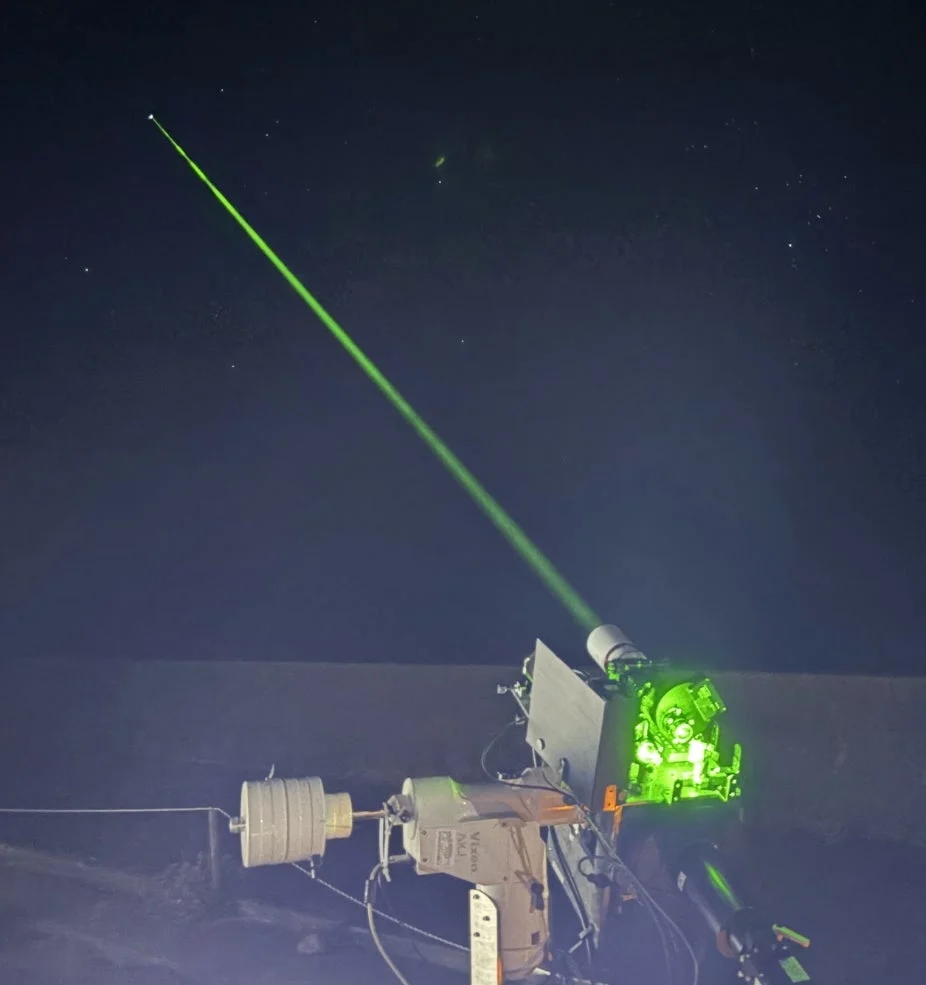
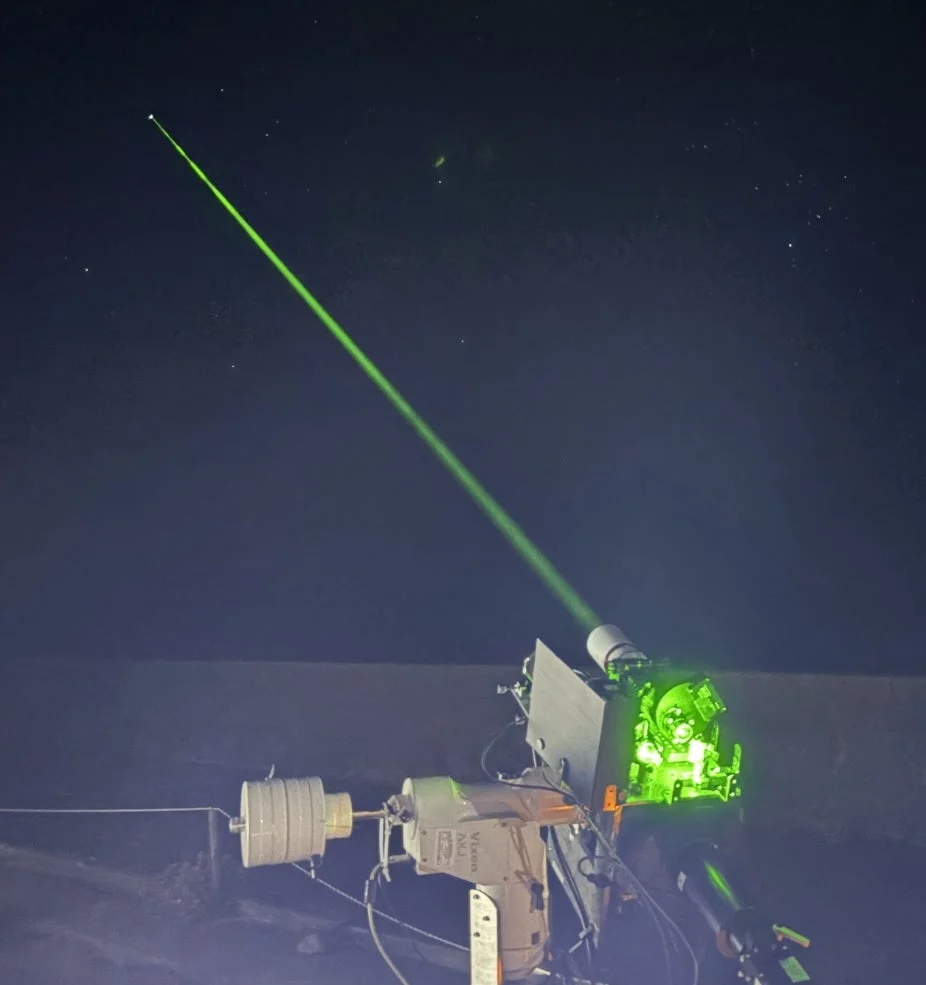
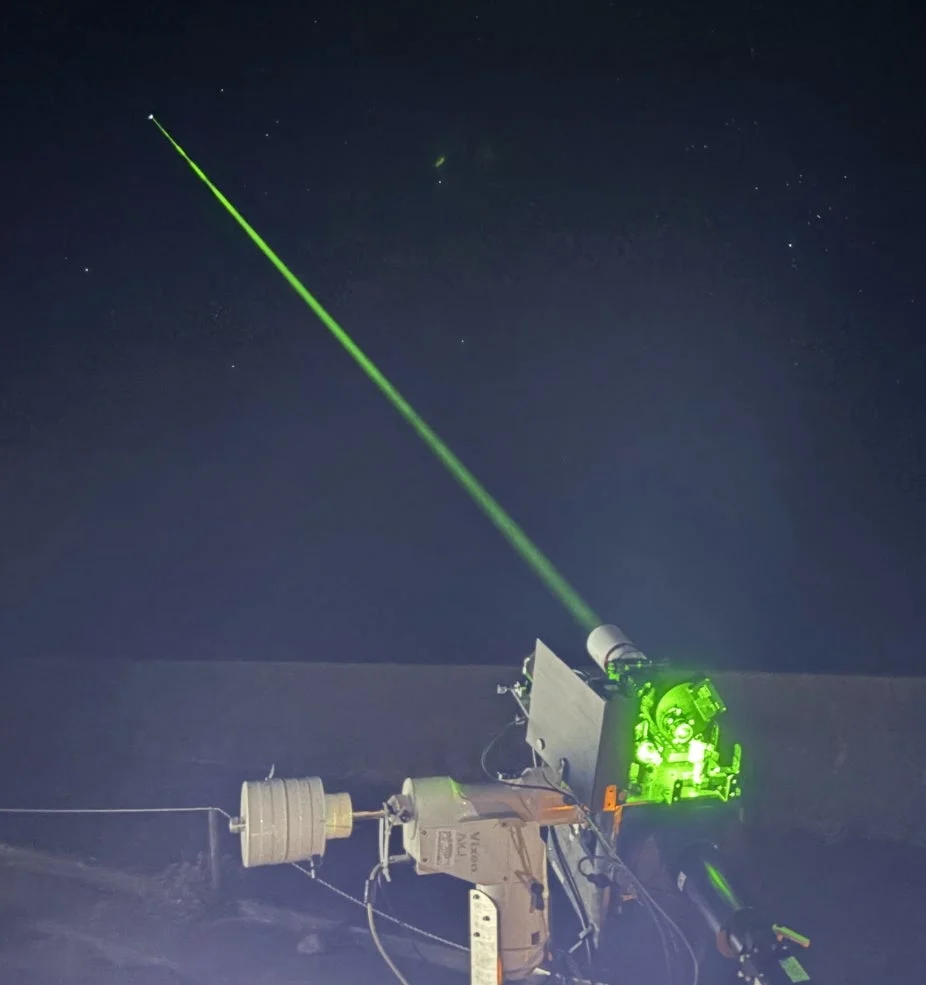
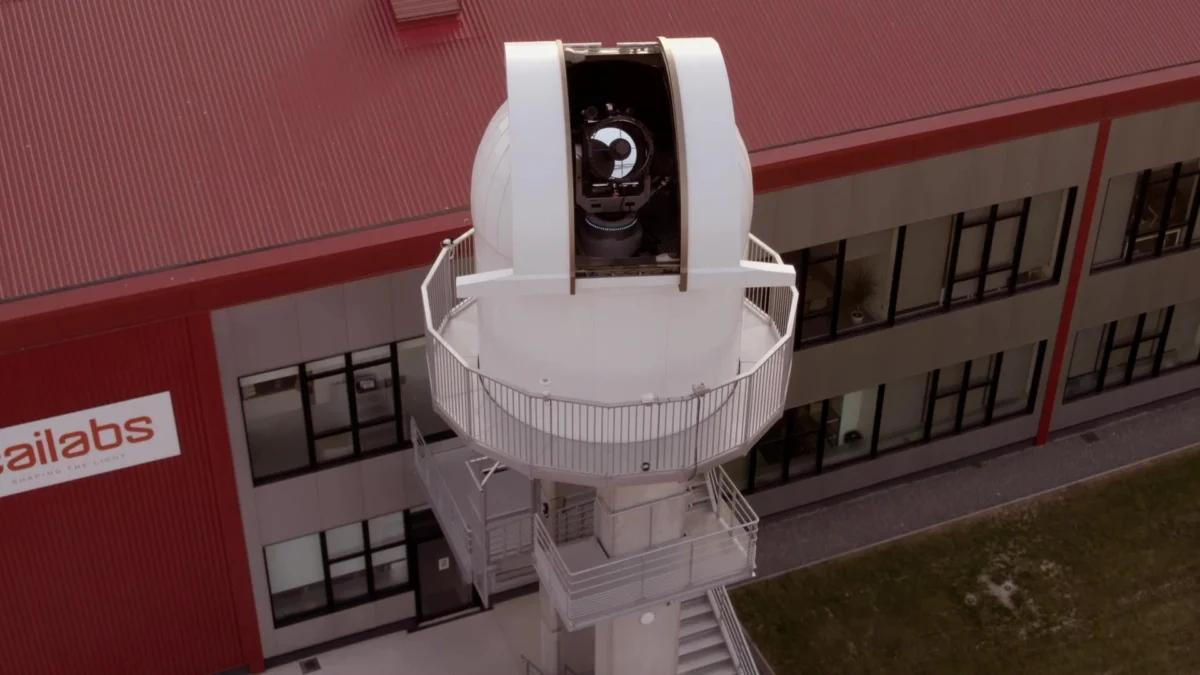
The collaboration centers on the integration of Cailabs’ TILBA-OGS product line with the robust infrastructure of Telesat Lightspeed. By leveraging Cailabs’ expertise in compensating for atmospheric turbulence—the primary hurdle for laser-based ground communications—Telesat intends to provide a resilient, high-capacity data link that remains stable even under challenging weather conditions.
For the U.S. government and its international partners, the requirement for "sovereign, secure connectivity" has never been higher. As electronic warfare and signal jamming technologies evolve, the industry is shifting away from traditional radio-frequency (RF) links toward optical (laser) communications, which offer unparalleled security, immunity to interference, and massive bandwidth capacity.
Chronology: Building the Foundation for Optical Integration
The road to this partnership was paved by a series of technical milestones and strategic shifts within the aerospace industry:
- 2023–2024 (The Foundation): Telesat solidifies its commitment to the Lightspeed LEO constellation, selecting Tesat-Spacecom as the provider for its optical inter-satellite links. During this period, the industry begins a concerted shift toward interoperability standards for space-based laser communications.
- May 2024: MDA, the primary contractor for the Telesat Lightspeed satellites, officially selects Tesat’s SCOT80 optical terminals. This decision establishes a standardized hardware baseline that would later prove crucial for the Cailabs partnership.
- 2025 (Technological Validation): Cailabs completes a series of successful demonstrations, proving that its TILBA-OGS ground stations can reliably close links with satellites utilizing Tesat terminals. These tests confirm that the French firm’s proprietary multi-mode fiber technology can effectively correct the wavefront distortion caused by the Earth’s atmosphere.
- September 1, 2026: Telesat and Cailabs formally announce their strategic collaboration, shifting from experimental validation to commercial and government application development.
Technical Context: Why Optical Communications?
To understand the magnitude of this partnership, one must examine the limitations of existing infrastructure. Traditional satellite communication relies on RF spectrum, which is increasingly crowded, regulated, and vulnerable to sophisticated jamming techniques.
The Physics of the "Last Mile"
Optical communications operate in the infrared spectrum, offering gigabit-per-second throughput that dwarfs traditional RF. However, the "last mile"—the transition of a laser beam through the turbulent, oxygen-rich, and moisture-laden atmosphere—has historically been the "Achilles’ heel" of the technology.
Cailabs’ TILBA-OGS technology solves this through a sophisticated approach to beam shaping and adaptive optics. By using specialized components to manage the phase and amplitude of incoming light, the system ensures that the signal maintains its integrity despite atmospheric "scintillation" or blurring. This allows for:
- High Availability: Maintaining link uptime even in non-ideal atmospheric conditions.
- Compact Footprint: Unlike massive, traditional optical telescopes, Cailabs’ ground stations are available in both fixed and transportable configurations, allowing for deployment in remote or tactical environments.
- Terminal Interoperability: Because the system is designed to work seamlessly with the SCOT80 terminals already integrated into the Telesat Lightspeed fleet, the "cost of entry" for this upgrade is significantly lower than developing a proprietary system from scratch.
Official Perspectives: The Vision for Sovereign Connectivity
The collaboration is underpinned by a shared view of the future of defense telecommunications.
Telesat Government Solutions: A Focus on Resilience
Chuck Cynamon, President of Telesat Government Solutions, emphasized that the partnership is not merely a technical integration but a strategic necessity. "Government users need communications architectures that combine resilience, security, and high capacity with the flexibility to operate across space and terrestrial networks," Cynamon stated.
By integrating with Cailabs, Telesat is effectively positioning its LEO constellation as a "data highway in the sky" that can connect seamlessly with tactical ground units. The goal is to ensure that sovereign nations can maintain continuous command-and-control capabilities, regardless of the status of terrestrial infrastructure.
The Cailabs Advantage
Cailabs, a spin-off from the Kastler Brossel Laboratory in France, brings a deep academic and industrial heritage in light shaping. By moving into the OGS market, the company has transformed from a components manufacturer into a critical infrastructure provider. Their involvement ensures that Telesat can offer a "turnkey" solution: the constellation, the satellite terminals, and the specialized ground segment required to pull that data safely to the ground.
Implications for Global Security and Data Relay
The implications of the Telesat-Cailabs deal extend far beyond commercial broadband. The primary focus of the joint studies will be Space Data Relay Services.
1. The Death of the "Blind Spot"
Currently, LEO satellites often have to store data until they pass over a friendly ground station. This "store-and-forward" latency is unacceptable for modern military applications. With a robust network of optical ground stations, Telesat and Cailabs are moving toward a real-time global relay capability, where high-definition sensor data can be streamed directly from a satellite to a tactical edge-node on the ground.
2. Multi-Domain Integration
The collaboration envisions a future where space assets are fully integrated into the "Joint All-Domain Command and Control" (JADC2) framework. This means that a fighter jet, a ship at sea, or a remote command center could potentially access the Lightspeed network through an optical link, bypassing traditional, insecure, or congested communications channels.
3. Economic and Geopolitical Impact
By teaming up, Telesat and Cailabs are effectively creating an "Optical Standard." As the U.S. and its allies seek to de-risk their supply chains, having a robust, Western-aligned solution for optical connectivity becomes a massive geopolitical asset. It reduces dependence on fragile subsea cables and vulnerable terrestrial fiber networks, providing a "space-based backbone" for national security.
Future Outlook: The Path to Deployment
The upcoming months will be critical for the partnership. The joint studies will focus on:
- Latency Benchmarking: Quantifying the exact speed at which data can be moved from satellite to optical ground station in various climates.
- Security Hardening: Testing the resiliency of the laser links against potential interception or environmental degradation.
- Scalability Analysis: Determining how quickly the transportable TILBA-OGS units can be deployed in theater.
As the industry watches, the success of this collaboration will likely serve as a blueprint for the next decade of space communication. If Telesat and Cailabs can prove that their integrated system can survive the rigors of real-world military operations, it will likely trigger a broader adoption of optical ground stations across the global satellite telecommunications sector.
Conclusion
The strategic marriage between Telesat’s LEO constellation and Cailabs’ optical ground segment is a definitive indicator of the "Optical Age" in satellite communications. As space becomes increasingly crowded and the threat environment becomes more sophisticated, the ability to transmit massive volumes of data via laser—securely, rapidly, and reliably—will be the defining factor in technological supremacy. For Telesat, this is a bold step toward becoming the primary communications provider for the most demanding government missions on the planet. For Cailabs, it is a validation of their photonics expertise on the grandest possible scale. Together, they are not just building a network; they are securing the future of the global information frontier.