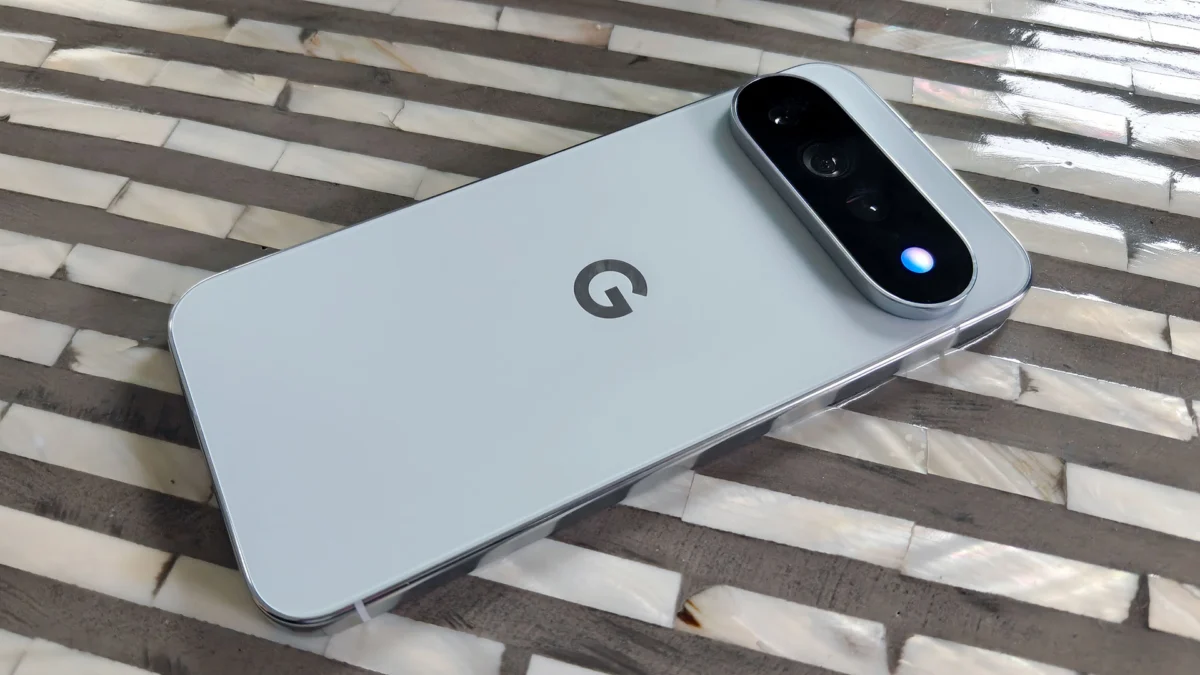
The smartphone industry has reached a point of maturity where the "year-over-year revolution" is increasingly rare. Hardware, while still important, has largely plateaued in terms of raw capability. It is against this backdrop that Google has launched the Pixel 11 Pro XL. Priced at $1,299 for the 256GB base model, the device represents an exercise in refinement rather than reinvention.
However, to judge the Pixel 11 Pro XL solely by its position on a benchmark chart is to miss the point of Google’s current strategy. By prioritizing deep software integration, on-device generative AI, and long-term enterprise security, Google is shifting the definition of a flagship smartphone from a "spec-sheet warrior" to a "frictionless productivity partner."
Main Facts: The Core of the Pixel 11 Pro XL
At its foundation, the Pixel 11 Pro XL is a premium device featuring a sprawling 6.8-inch Super Actua LTPO OLED display. With peak brightness hitting an impressive 3,600 nits, the screen remains one of the most vibrant and legible panels on the market, even in direct sunlight.

Under the hood, the device is powered by the new Tensor G6 processor. While Google’s silicon has never aimed to outpace the raw clock speeds of Qualcomm’s Snapdragon series, the G6 is optimized for efficiency and AI compute. The phone is backed by a 5,115mAh battery, supporting 45W wired charging and 25W wireless charging via the Pixelsnap Qi2.2 standard. Perhaps most importantly for the enterprise sector, Google continues its industry-leading support cycle, pledging seven years of OS, security, and Pixel Drop updates.
Chronology: The Path to the 11th Iteration
The development of the Pixel 11 Pro XL follows a distinct trajectory established by its predecessors. Since the introduction of the custom Tensor chip series, Google has moved away from competing on pure hardware specs to focusing on the "Pixel Experience"—a unique blend of software-defined features.
- Initial Iterations: The early Tensor-powered Pixels focused on establishing the camera as the primary selling point.
- The Middle Years: With the Pixel 8 and 9, Google began integrating cloud-based and on-device AI features like Magic Eraser and Circle to Search.
- The Modern Era: The Pixel 11 Pro XL represents the culmination of this strategy. With the Tensor G6, Google has finally achieved a hardware-software parity where features like real-time translation and the "Rambler" AI assistant can run locally, enhancing speed and privacy.
Supporting Data: Beyond the Benchmarks
It is vital to address the elephant in the room: benchmark performance. In Geekbench 6 testing, the Tensor G6 achieved a single-core score of 2,736 and a multi-core score of 7,399. While these numbers represent a healthy year-over-year increase from the Pixel 10 Pro XL, they trail behind the Qualcomm Snapdragon 8 Elite-powered Samsung Galaxy S26 Ultra. Similarly, in 3DMark Wild Life testing, the device scored 13,761—a capable result, but one that lags behind current industry leaders.
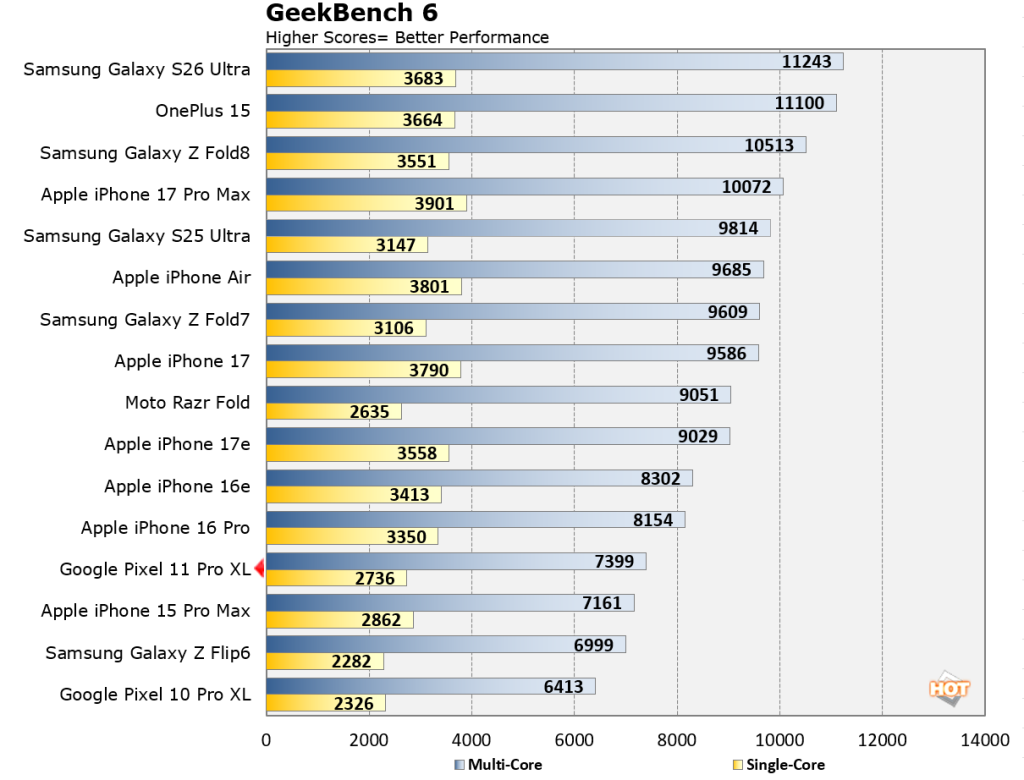
However, these figures create a "performance disconnect." In daily operation, the device feels faster than its predecessors. Google reports that the G6 chip facilitates a 25% increase in web browsing speed and 15% faster application launches. The Tensor Processing Unit (TPU) within the G6 provides a 50% increase in compute power and, crucially, up to 3.5X faster on-device AI processing. For the professional user, this means that opening large spreadsheets, managing multiple communication threads, or utilizing on-device transcription happens with zero latency.
The AI Frontier: "Rambler" and Contextual Intelligence
The standout feature of the Pixel 11 Pro XL is "Rambler." While voice-to-text has existed for years, Rambler leverages Gemini’s language models to process natural speech. It ignores filler words, corrects syntax, and applies intelligent punctuation in real-time.
For business professionals, this is a productivity game-changer. It allows for the creation of well-structured emails and reports while on the move, effectively eliminating the friction typically associated with mobile dictation. This is the definition of "practical AI"—technology designed to solve a specific pain point rather than simply acting as a flashy tech demo.
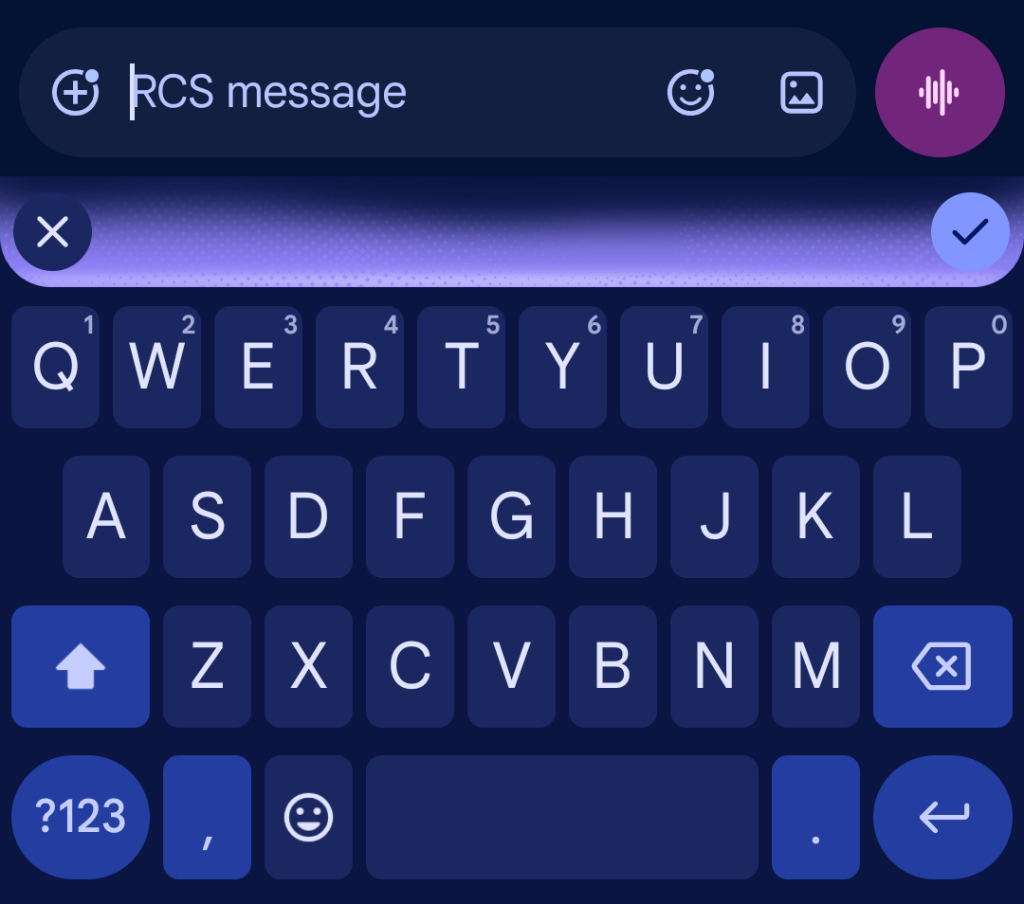
Furthermore, Gemini Intelligence is now woven into the fabric of the OS, capable of surfacing flight data, calendar events, and map locations across more than 40 different applications. The device’s ability to perform real-time, on-device translation and video dubbing further solidifies its position as an essential tool for the globalized, mobile workforce.
Official Responses and Hardware Design: The HiLight Innovation
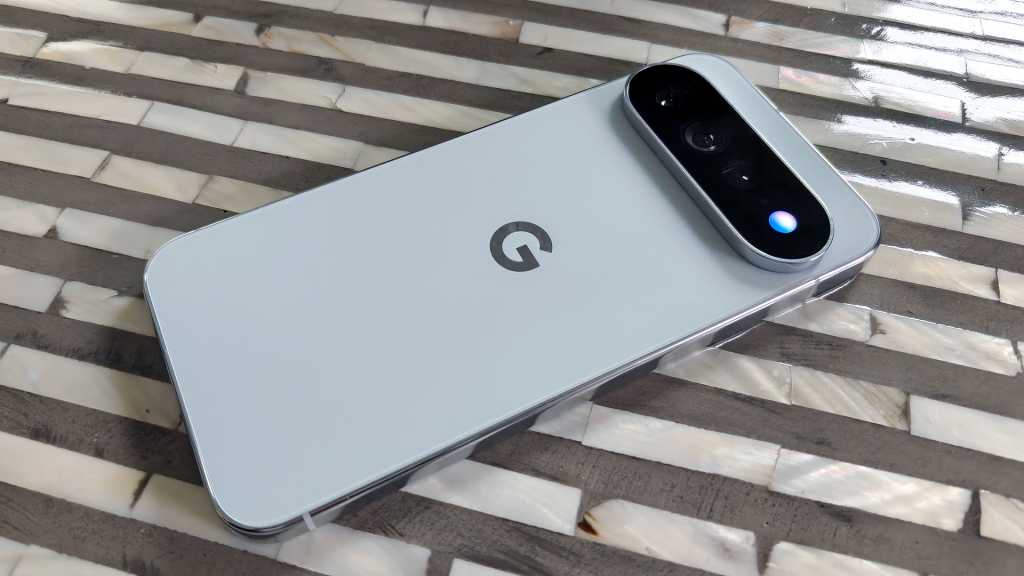
Google has introduced "HiLight," an RGB LED array integrated into the rear camera bar. While intended to provide visual feedback for Gemini’s activity, its most promising application lies in notification management. By assigning specific light patterns to high-priority contacts or urgent work notifications (like Slack or Teams messages), users can stay informed without being glued to their screens.
While currently limited in its configurability, Google has signaled that expanded notification support for "favorite" contacts is coming in a future update. The design remains an evolution of the iconic camera bar, maintaining a professional, utilitarian aesthetic that stands apart from the overly aggressive designs of some competitors.
Security and Enterprise Implications
For organizations, the Pixel 11 Pro XL is more than just a consumer device; it is a secure platform. The Tensor G6 works in tandem with the Titan M3 security coprocessor and a robust Trusted Execution Environment.
The integration of post-quantum cryptography in the secure boot process ensures that the device is future-proofed against evolving cyber threats. Combined with rigorous anti-phishing and anti-malware protections, the Pixel 11 Pro XL is arguably the most secure Android device currently available for enterprise fleet deployment. The seven-year support guarantee provides the long-term ROI that IT departments require to justify device expenditures.
Implications for the Future of Mobile
The Pixel 11 Pro XL confirms a shift in the smartphone industry: we have reached a plateau in raw hardware power, and the new battleground is software-defined efficiency.
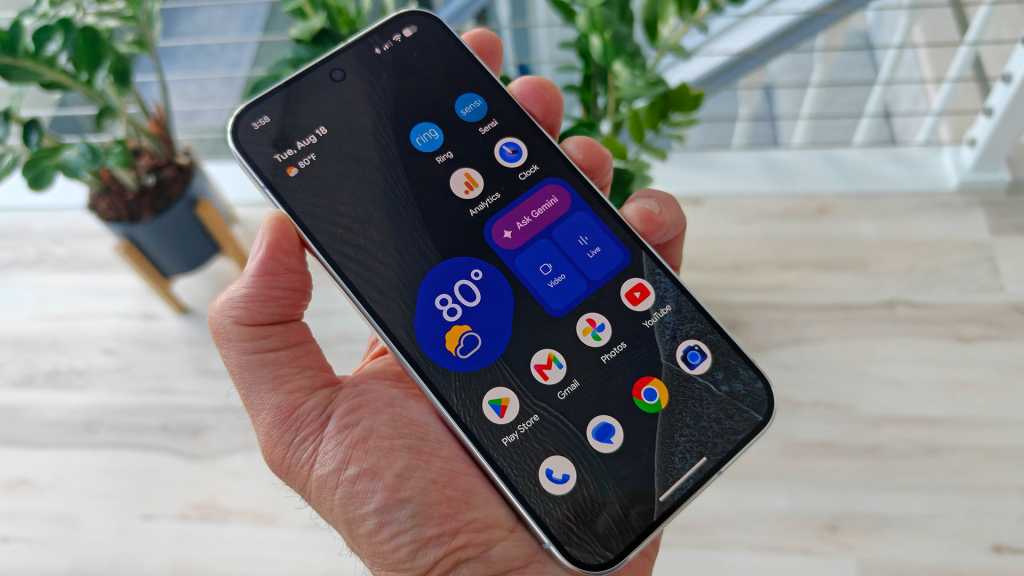
While the device may not be the fastest phone on the market, it is undoubtedly one of the most useful. For users who prioritize productivity, long-term support, and the integration of artificial intelligence that actually streamlines their workflow, the Pixel 11 Pro XL is a formidable choice.
Conclusion
The Google Pixel 11 Pro XL is an evolutionary step that favors substance over showmanship. While current owners of the Pixel 10 series may not find enough reason to upgrade, those coming from older devices or those looking for a professional-grade mobile tool will find a highly refined, secure, and intelligent device.
In the final analysis, Google has succeeded in creating a smartphone that feels less like a gadget and more like an extension of the user’s professional life. By focusing on the intersection of AI, security, and everyday utility, the Pixel 11 Pro XL proves that the best smartphone isn’t necessarily the one with the highest benchmark score—it’s the one that helps you get the most done with the least amount of effort.