It is a debate that has simmered in the background of scientific discourse for two decades, periodically boiling over into public outcry, online petitions, and impassioned pleas on social media: the "demotion" of Pluto. On August 24, 2006, the International Astronomical Union (IAU) made a decision that effectively ended Pluto’s tenure as the ninth planet of our solar system, reclassifying it as a "dwarf planet."
While this decision sparked widespread controversy and a persistent cultural refusal to let go of the nine-planet model, it was, in retrospect, one of the most important moments in modern planetary science. Far from being a "demotion," the reclassification of Pluto was a necessary maturation of our understanding of the solar system, moving us away from a rigid, historical classification system toward one based on physical reality and orbital dynamics.
The Chronology of a Cosmic Correction
To understand why the change was necessary, one must look at the context of the early 2000s. For decades, Pluto held its status as the ninth planet based largely on its discovery in 1930 by Clyde Tombaugh. However, as telescopes grew more powerful, astronomers began to find that Pluto was not the lonely, giant outlier it was once thought to be.
The turning point arrived with the discovery of the Kuiper Belt—a vast, donut-shaped region of icy debris and small bodies extending beyond the orbit of Neptune. Throughout the late 1990s and early 2000s, surveys of this region began to yield objects of similar size and composition to Pluto, most notably Eris, a massive body that challenged the very notion of what a planet is.
On August 24, 2006, at the end of a heated General Assembly in Prague, the IAU voted on a formal definition of a planet. The result was a three-pronged criterion:
- The object must be in orbit around the sun.
- The object must have sufficient mass to assume hydrostatic equilibrium (a nearly round shape).
- The object must have "cleared the neighborhood" around its orbit.
Pluto satisfied the first two conditions but failed the third. Because Pluto’s orbit is heavily influenced by Neptune and shares its space with thousands of other icy bodies in the Kuiper Belt, it could not be classified as a major planet. Consequently, it was grouped into a new category: "dwarf planet."
The Science of "Clearing the Neighborhood"
The third criterion—clearing the neighborhood—is often the most misunderstood part of the definition. It does not mean a planet must be entirely alone in space; rather, it means that a planet must be gravitationally dominant enough to have either consumed, ejected, or captured the other material in its orbital path.
In our solar system, the eight major planets have cleared their zones. Earth, for instance, is the dominant gravitational force in its orbital path. Pluto, conversely, is essentially just one of the larger inhabitants of the Kuiper Belt. By maintaining the 2006 definition, the IAU successfully drew a line between the eight major planets and the vast, diverse population of smaller, icy worlds that populate the outer solar system.
The Cultural Backlash and the "Daniel" Argument
The public reaction was immediate and, at times, bizarre. Petitions demanding the reinstatement of Pluto’s "planethood" became a staple of internet culture. One particularly illustrative example came from an online petition that argued: "Pluto should not have its planet rights taken away from it just because it is small, so is Daniel, but that doesn’t make him not a human anymore! This is a very urgent matter!"
This emotional anthropomorphism of celestial bodies reflects a deep-seated human attachment to the maps we were taught in elementary school. However, science does not prioritize nostalgia. The "Daniel" argument, while endearing, misses the point: classification in science is not about rights or status; it is about taxonomy. Just as a "dwarf star" is still a star, a "dwarf planet" is still a significant, massive body. The label is not a judgment on its importance, but a descriptor of its physical nature and its role within the solar system’s architecture.
Implications: A More Diverse Solar System
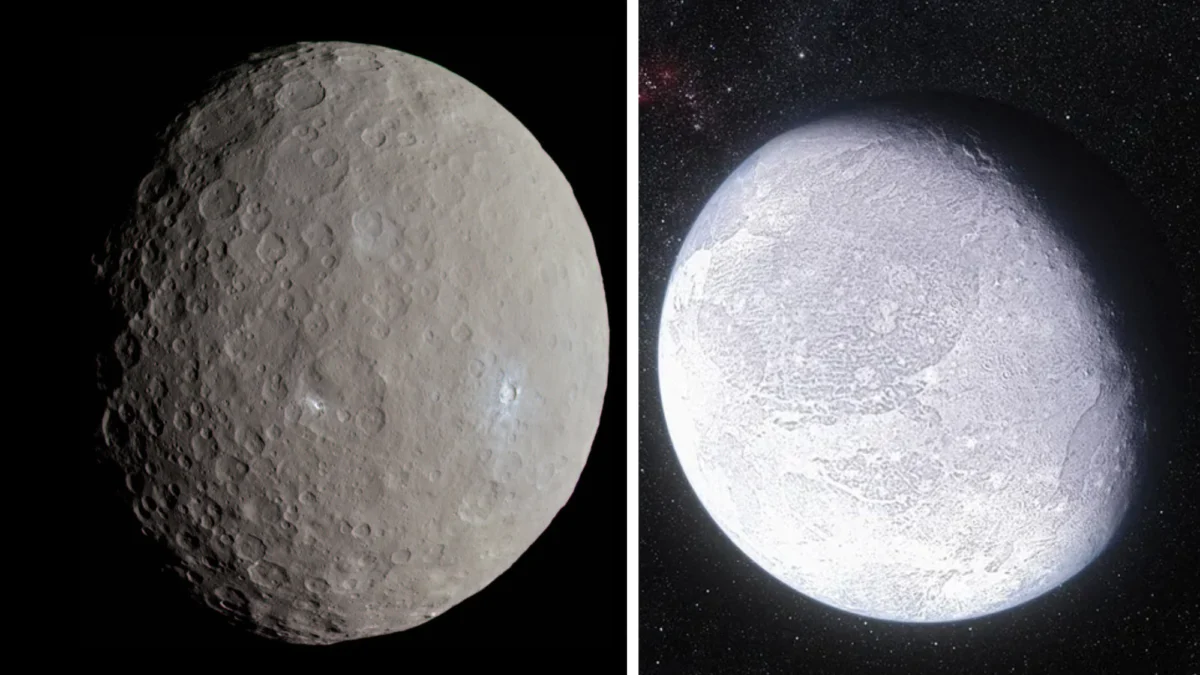
By reclassifying Pluto, the IAU did not belittle the object; it effectively put dwarf planets on the map. Before 2006, the solar system seemed to consist of nine planets, a handful of moons, and a chaotic mess of "other stuff." Today, we recognize a vibrant, diverse population of worlds, including Ceres, Makemake, Haumea, and Eris.
The study of these dwarf planets has revolutionized our understanding of the early solar system. Because these objects reside in the cold, distant reaches of space, they have remained relatively pristine. They act as "time capsules," preserving the chemical composition of the solar system as it existed billions of years ago. By grouping Pluto with these objects, scientists have shifted the focus toward a more profound investigation of the Kuiper Belt, which has yielded more scientific insight than simply labeling Pluto a "planet" ever did.
The Logistics of a 100-Planet System
Beyond the scientific and taxonomical benefits, there is a logistical reality that proponents of a nine-planet system often overlook. Astronomers estimate that there could be as many as 100 or more dwarf planets yet to be discovered in the outer solar system.
If we were to broaden the definition of a "planet" to include Pluto, we would, by extension, have to include these other bodies. We would quickly face a future where schoolchildren would be required to memorize the names of 50, 80, or 100 planets. Keeping Pluto as a dwarf planet allows for a clean, manageable, and scientifically accurate distinction that prevents the term "planet" from becoming diluted and meaningless.
A Plea for Ceres and Eris
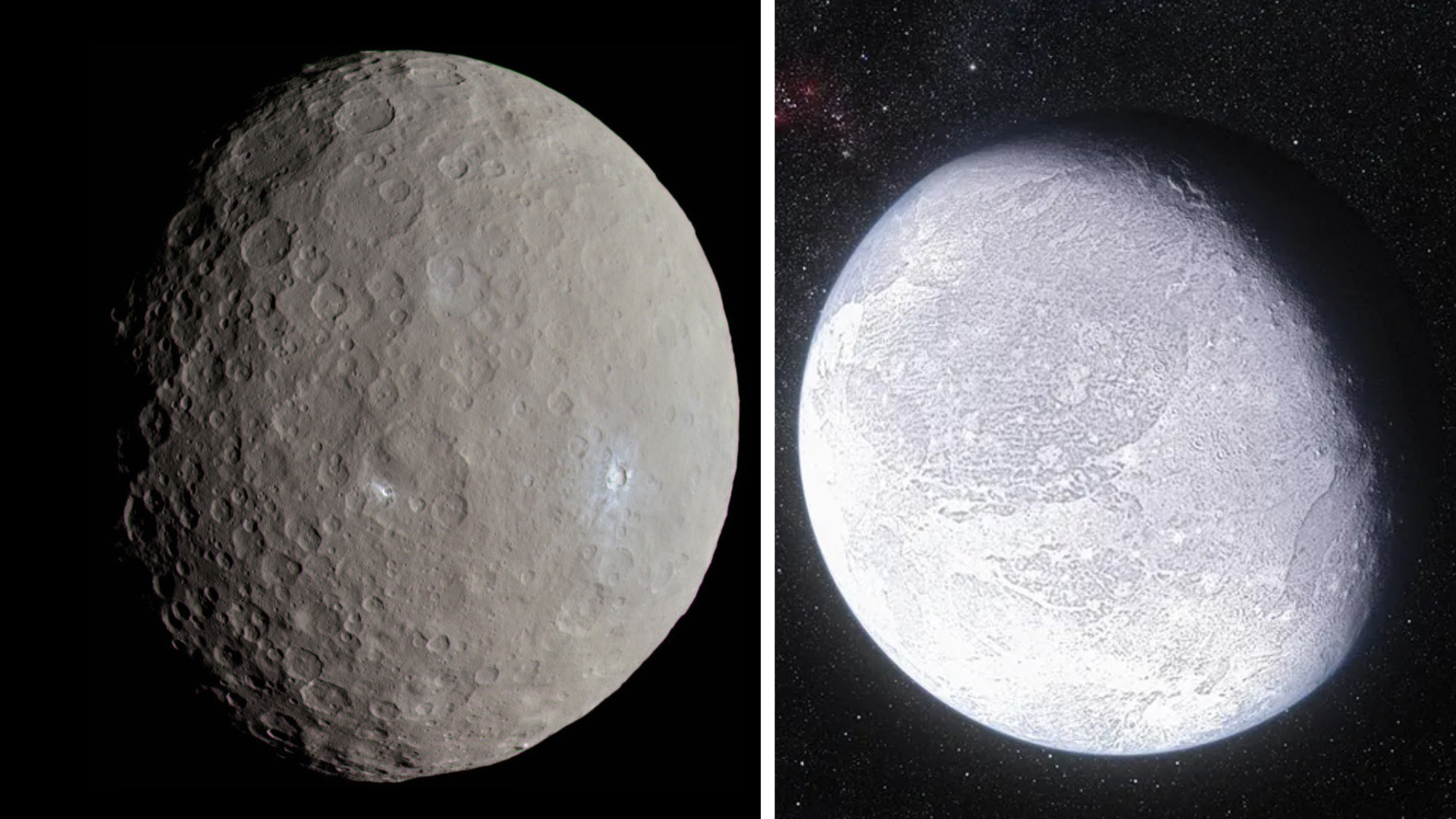
If we are to "feel sorry" for any celestial body, it should arguably be Ceres or Eris, rather than Pluto. Ceres, located in the asteroid belt between Mars and Jupiter, was discovered in 1801 and was initially classified as a planet for decades before being downgraded to an "asteroid" as more bodies were found in the belt. It has been a dwarf planet for much longer than Pluto, yet it rarely receives the same level of public sympathy.
Similarly, Eris—which is actually more massive than Pluto—was the primary catalyst for the 2006 redefinition. Yet, because it was never historically branded as a "planet" in textbooks, it lacks the emotional fan base that Pluto enjoys. The focus on Pluto, while understandable due to its history, ignores the fascinating reality of its peers.
The Enduring Wonder of Pluto
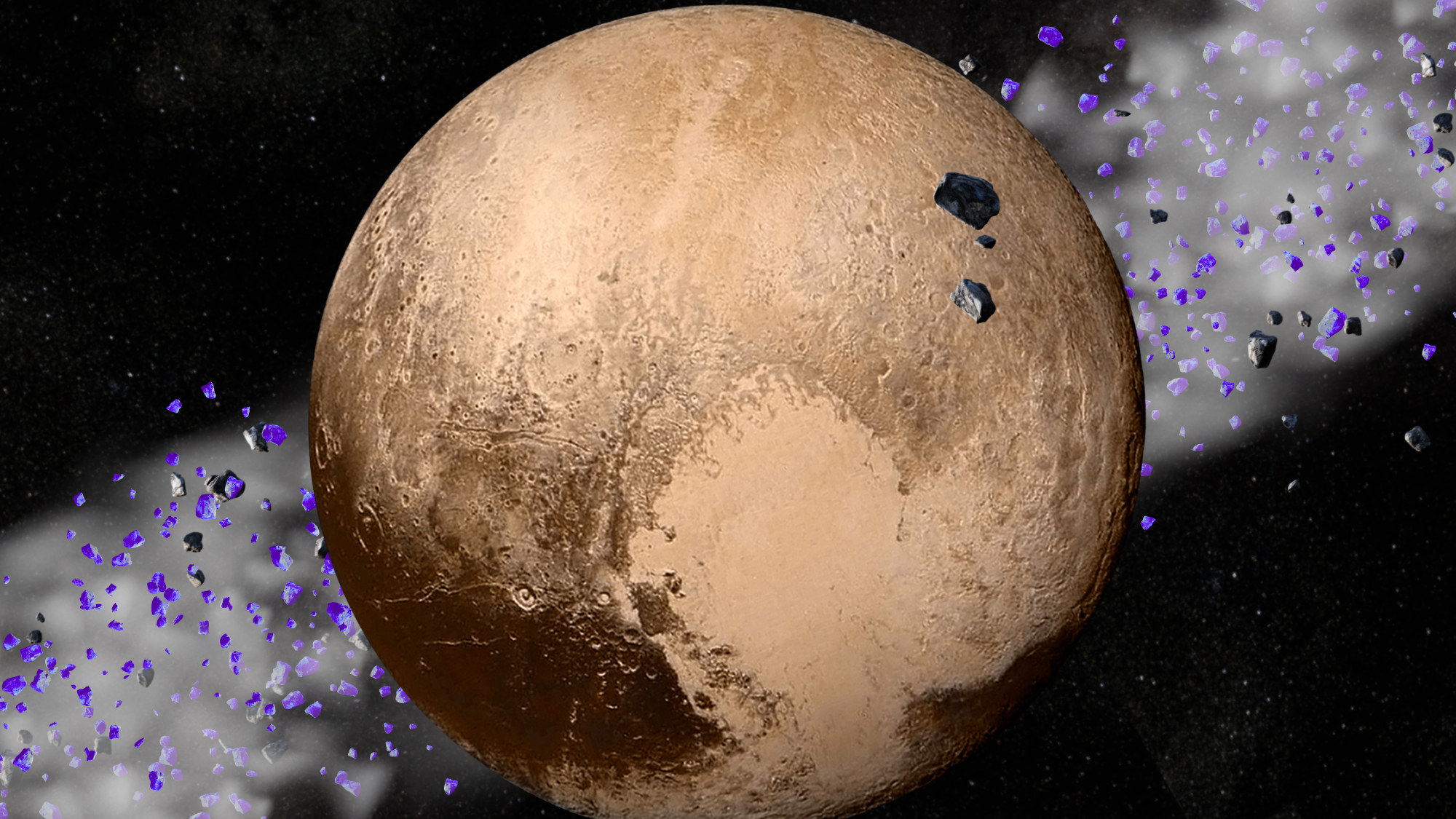
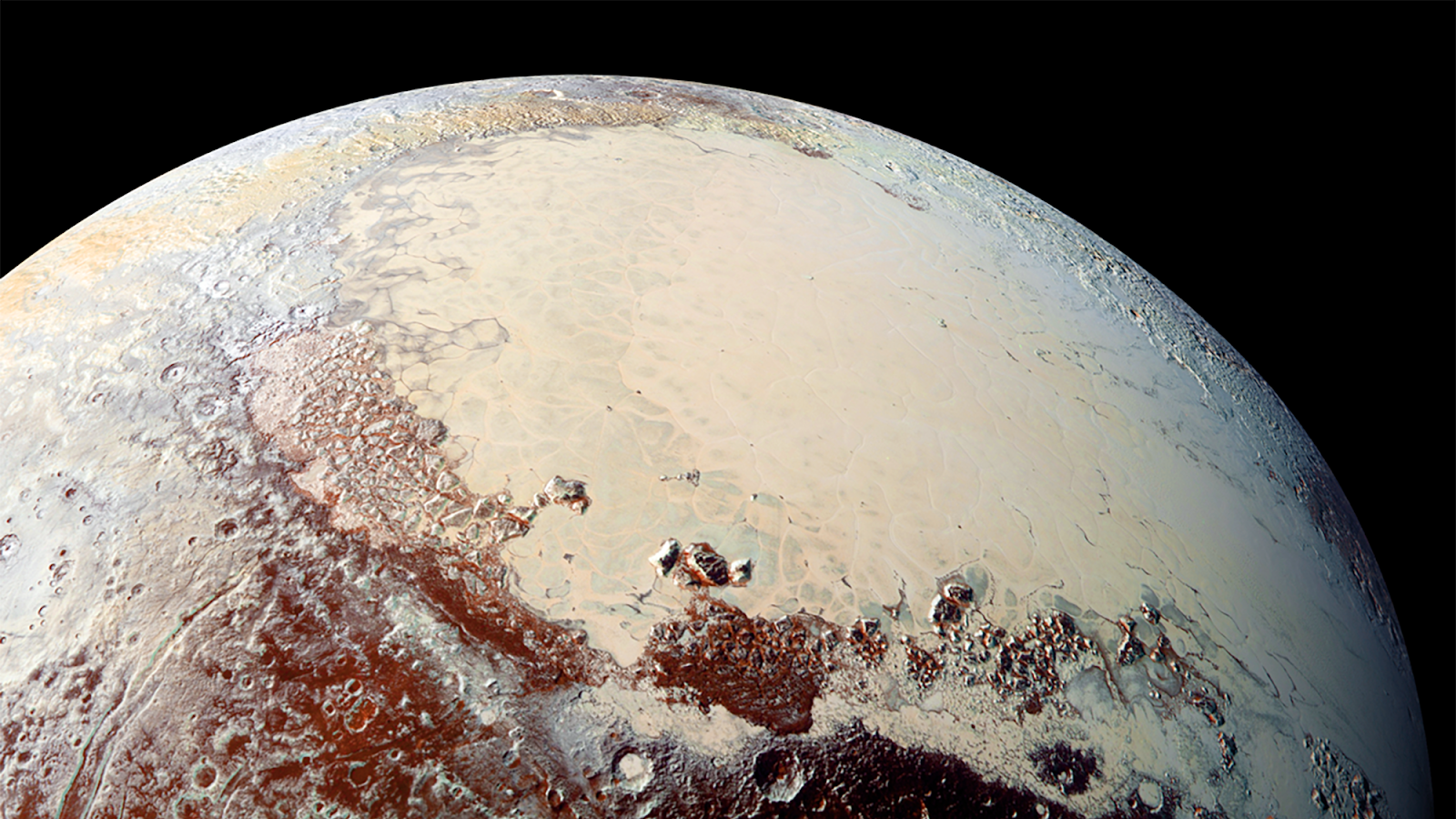
Ultimately, the most important takeaway is that the reclassification changed nothing about Pluto’s intrinsic nature. The stunning images returned by NASA’s New Horizons mission in 2015 revealed a world of breathtaking complexity. We saw the vast heart-shaped plain of Sputnik Planitia, filled with churning, squishy nitrogen ice. We saw towering mountains of water-ice rising 11,000 feet into a thin, hazy atmosphere. We saw a world that is geologically active and scientifically mesmerizing.
Does the presence of a "dwarf" prefix make those mountains any less majestic? Does it make the blue haze of the atmosphere any less mysterious? Of course not.
Pluto remains the king of the Kuiper Belt. It serves as our gateway to the outer reaches of the solar system. By accepting its status as a dwarf planet, we are not losing a planet; we are gaining a far more sophisticated and nuanced understanding of the cosmic neighborhood we call home. It is time to stop viewing the 2006 decision as a loss and start seeing it as the beginning of an era of discovery—one where we recognize the beauty of every world, regardless of how we choose to label it.