For decades, radio telescopes have been our primary ears to the cosmos, capturing the faint, ghostly whispers of distant pulsars, the radiation remnants of the Big Bang, and the chemical signatures of nascent solar systems. Yet, a revolutionary shift in how we utilize these massive, dish-shaped instruments is currently underway. Scientists are now pivoting these behemoths toward our own backyard to address one of the most pressing existential threats to modern space exploration: the mounting, invisible minefield of space debris orbiting Earth.
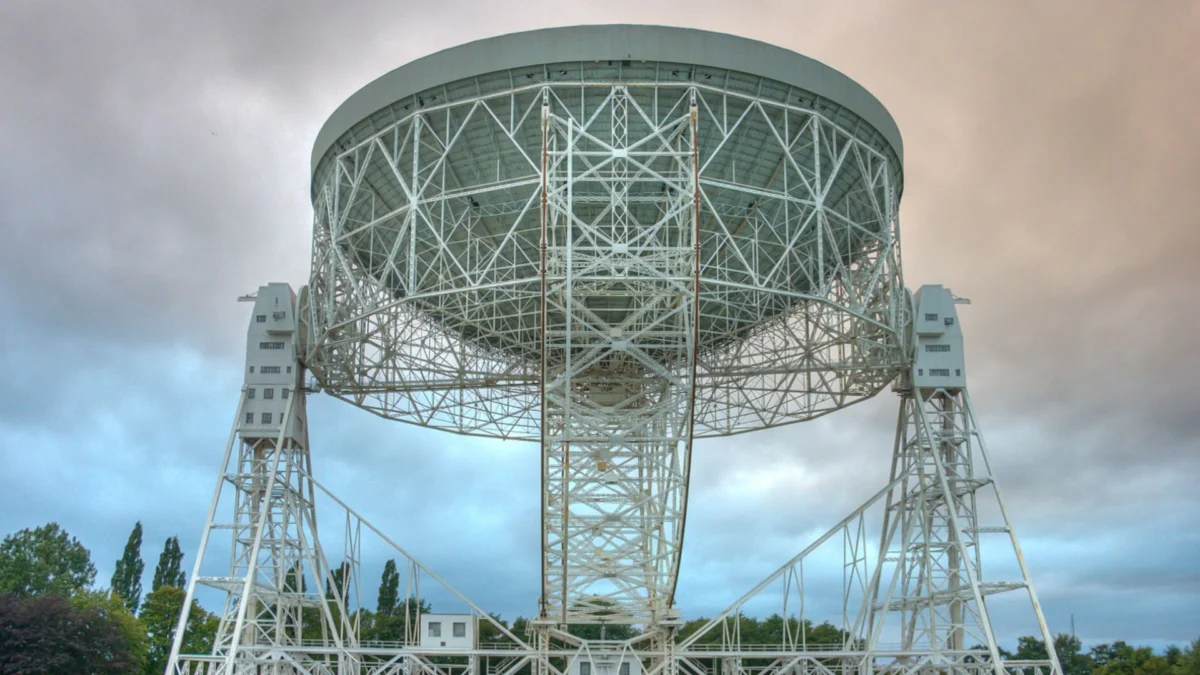
In a landmark achievement for space situational awareness, an international consortium has successfully repurposed the legendary Lovell Telescope at Jodrell Bank in the United Kingdom to track high-altitude space junk. This milestone, achieved under the banner of the Long Baseline Multistatic Radar (LBMR) project, represents a technological breakthrough that promises to secure the future of our most critical orbital infrastructure.
The Growing Crisis in the Heavens
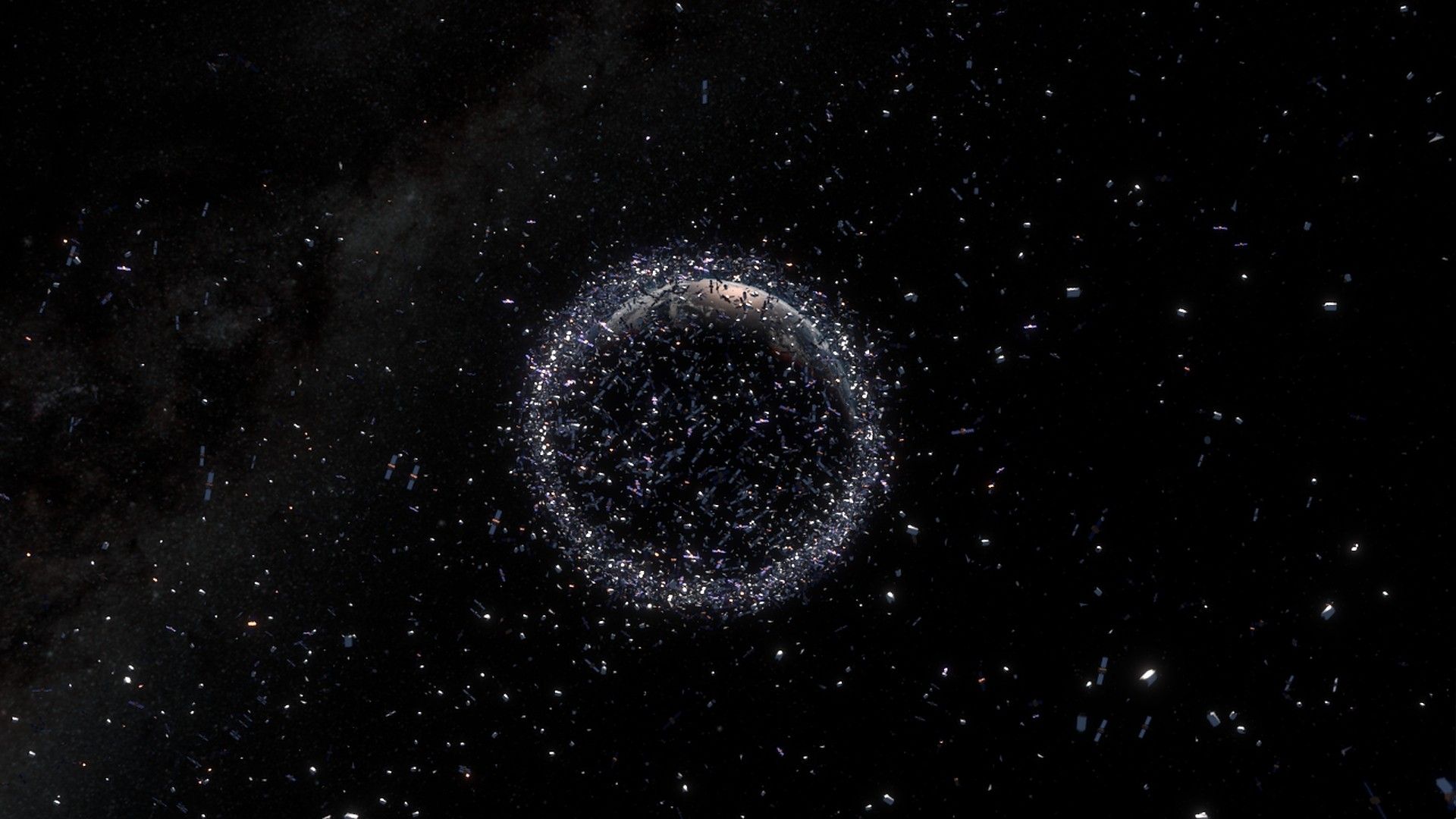
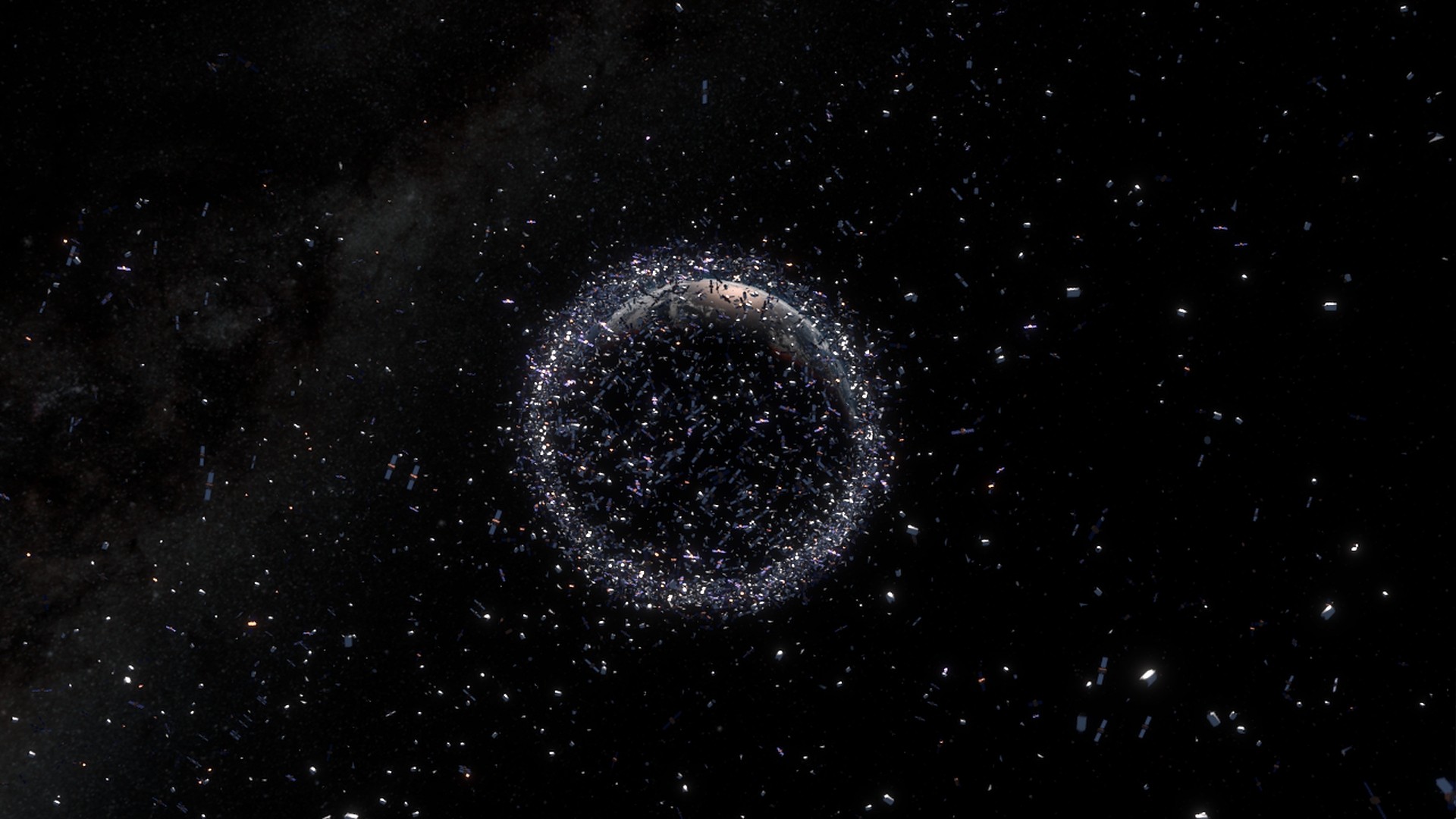
The space around Earth is far from the pristine, empty vacuum many imagine. It is a crowded, high-speed junkyard. Decades of satellite launches, rocket staging, accidental collisions, and intentional anti-satellite missile tests have left behind a cloud of debris ranging from spent booster stages to microscopic paint flecks.
While the majority of this junk resides in Low Earth Orbit (LEO)—the region below 1,250 miles—the danger is increasingly migrating into the much higher, more stable realm of Geostationary Orbit (GEO), located approximately 22,500 miles (36,000 kilometers) above the planet. GEO is the "goldilocks zone" for telecommunications, weather monitoring, and military reconnaissance satellites. Because these satellites are locked into a fixed position relative to a point on the ground, they are indispensable. However, at these extreme distances, even a collision with a piece of debris no larger than a marble can result in catastrophic failure.
The current dilemma for debris-tracking experts is a matter of physics and optics. In LEO, ground-based radar is the gold standard; it can detect objects with high precision. But radar signals lose power over distance, making the vast reach of GEO nearly invisible to conventional radar systems. Conversely, optical telescopes—which use cameras to capture sunlight reflecting off objects—are effective for GEO, but they are limited by weather conditions, lighting, and a lack of resolution. They can track larger objects, but they often miss the smaller, high-velocity fragments that are just as capable of turning a multi-billion dollar satellite into a cloud of shrapnel.
Chronology of an Ambitious Engineering Feat
The road to the LBMR success was neither short nor simple. The concept of using radio telescopes for radar tracking is not entirely new; experiments dating back to the 1990s explored the possibility. However, those early attempts lacked the computational power and the synchronization capabilities to move from intermittent observation to real-time, precise tracking.
A Seven-Year Odyssey
The seeds of the LBMR project were sown approximately seven years ago. The core challenge was one of logistics and physics: how do you coordinate a high-powered radar transmitter on one side of the Atlantic with a sensitive receiver on the other, ensuring that the timing is accurate enough to calculate the position of a fast-moving object in space?
- Initial Conceptualization (2017–2018): Researchers began investigating the feasibility of "bistatic" or "multistatic" radar. The idea was to use a powerful transmitter—in this case, the MIT Lincoln Laboratory’s Lincoln Space Surveillance Complex in the United States—to "illuminate" objects in orbit with radio waves.
- The Synchronization Hurdle (2019–2021): The primary technical obstacle was synchronization. To make the radar work across such a vast distance, the transmitter and the receiver needed to be perfectly aligned in time and space. Without extreme precision, the reflected signals would be lost in the noise of the universe.
- The Breakthrough (2022–2024): With backing from NATO and the U.K. Space Agency, the team refined their signal processing algorithms. They successfully demonstrated the ability to capture a signal reflected off a piece of orbital debris using a single antenna at Jodrell Bank.
- Validation (2025): The recent public announcement confirmed the system’s viability, proving that they could determine the distance and velocity of debris in real-time, effectively turning a passive receiver into a cutting-edge radar tracking node.
Supporting Data: Why GEO Matters
The data underscores the gravity of the situation. According to reports from the European Space Agency (ESA), there are currently tens of thousands of tracked objects in orbit, but the number of untracked objects—those smaller than 10 centimeters—is estimated to be in the millions.
In GEO, the situation is particularly delicate. Because satellites in this orbit are so essential for global communications, the loss of even one due to a debris strike has massive economic and social consequences. Furthermore, the orbital environment in GEO is "cluttered." Satellites do not naturally de-orbit as they do in LEO; they remain in place for centuries, increasing the cumulative probability of a collision.
By using radio telescopes like the Lovell, which features a 76-meter dish, scientists can detect much smaller objects than traditional optical systems can. This increase in sensitivity is not just a marginal improvement; it is a fundamental expansion of our ability to map the "orbital traffic" that poses the greatest threat to active assets.
Official Perspectives and Expert Insight
The project has garnered significant attention from the international aerospace community. Simon Garrington, the associate director of Jodrell Bank, has been vocal about the significance of the project, noting in official project videos that this is the first time such an intercontinental radar relay has been successfully implemented for space debris tracking.
Marco Martorella, an electronic engineer at the University of Birmingham, described the project’s early days as seemingly "crazy." His reflection highlights the collaborative spirit required to bridge the gap between U.S. radar infrastructure and U.K. astronomical facilities. "We were crazy enough to continue," Martorella noted, emphasizing the persistence required to overcome the lack of existing synchronization assets.
The U.K. Space Agency and NATO have championed the project, recognizing that space situational awareness is no longer just a scientific endeavor—it is a matter of national security and international economic stability. As the space economy continues to grow, with thousands of new satellites launched annually by private entities like SpaceX and others, the ability to predict and avoid collisions is becoming a prerequisite for commercial spaceflight.
Implications for the Future
The success of the LBMR project is merely the first step. The researchers are now shifting their focus toward a more complex goal: "multistatic" tracking.
Moving Toward 3D Tracking
While the current success allows for the tracking of an object’s distance and speed from a single antenna, the ultimate objective is to receive radar reflections of the same object using multiple radio telescopes simultaneously. This would provide enough data to triangulate the debris in three dimensions, allowing for a precise "flight path" calculation. If this can be achieved, ground controllers could provide satellite operators with highly accurate collision warnings, allowing them to perform evasive maneuvers.
A New Role for Radio Astronomy
This project also redefines the role of radio telescopes in the 21st century. As we look deeper into the universe, we must also look closer to home. The Lovell Telescope, built in the 1950s, is proving that legacy infrastructure can be adapted to solve modern, 21st-century problems. By integrating global networks of radio telescopes into a coordinated surveillance grid, humanity may finally be able to clean up its act—or at least, avoid a catastrophic collision that could render parts of our orbit unusable for generations.
The implications are clear: the "Kessler Syndrome"—a theoretical scenario where the density of objects in LEO is high enough that collisions between objects could cause a cascade—is no longer a distant academic fear. It is an engineering challenge. Through the ingenuity of projects like LBMR, we are building the "traffic control" systems of the future, ensuring that the heavens remain a gateway for exploration rather than a graveyard of broken metal.