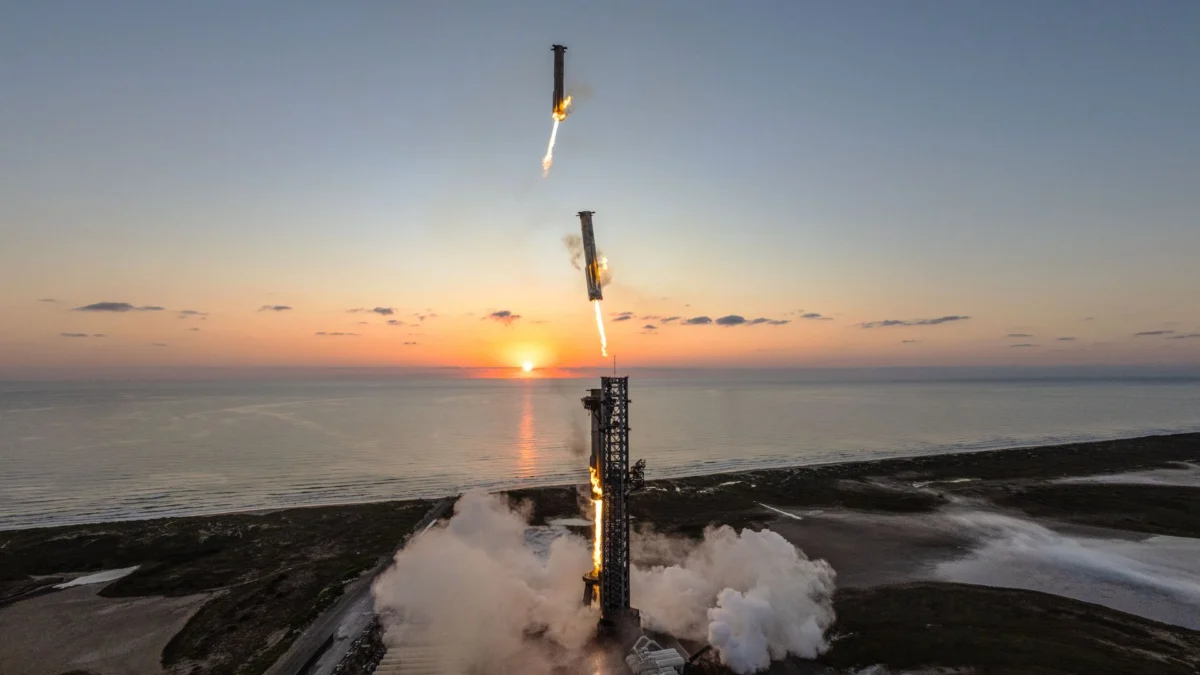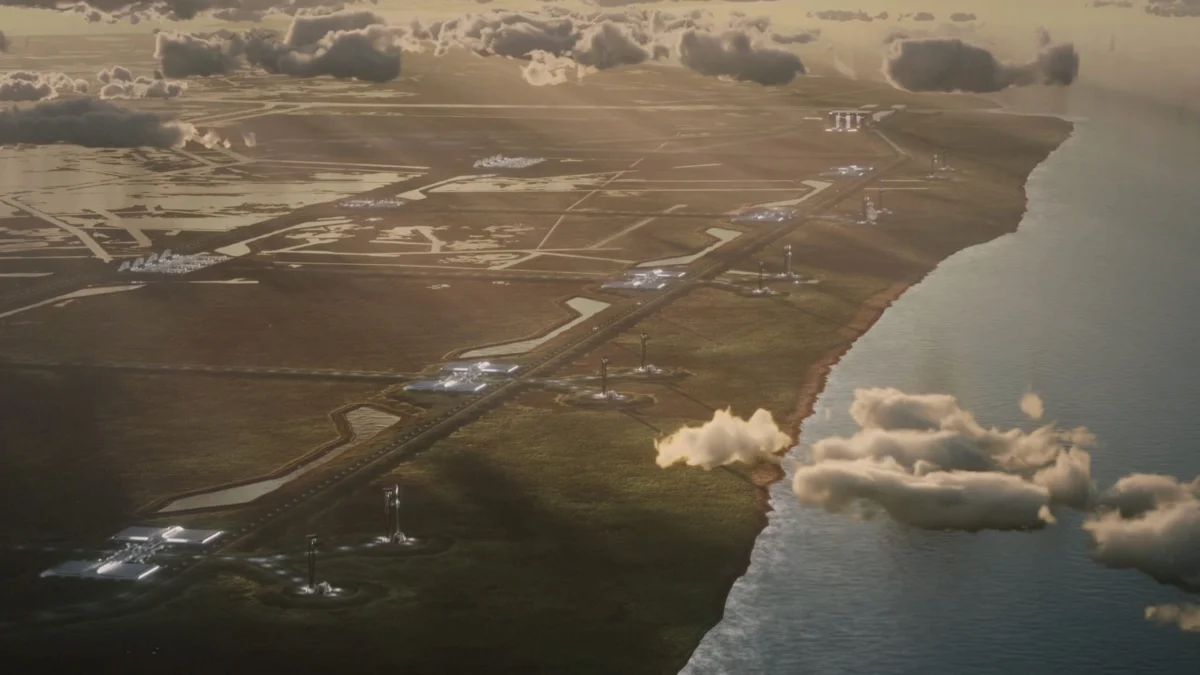
In a move that promises to redefine the landscape of global aerospace operations, SpaceX and the state of Louisiana have officially unveiled plans for "Starbase Louisiana." This monumental $100 billion infrastructure project, situated in the heart of Vermilion Parish, represents the most ambitious commercial space initiative in history. Designed as a self-sustaining, high-cadence launch hub, the site is being engineered to support an unprecedented frequency of Starship flights, aiming to normalize orbital travel and facilitate the next era of human space exploration.
A New Hub for Human Interplanetary Ambitions
The announcement, made on August 25, signals a paradigm shift in how SpaceX views its operational capacity. While the company’s current Texas facilities have served as the crucible for Starship’s development, SpaceX leadership has acknowledged that the existing infrastructure cannot sustain the company’s long-term vision.
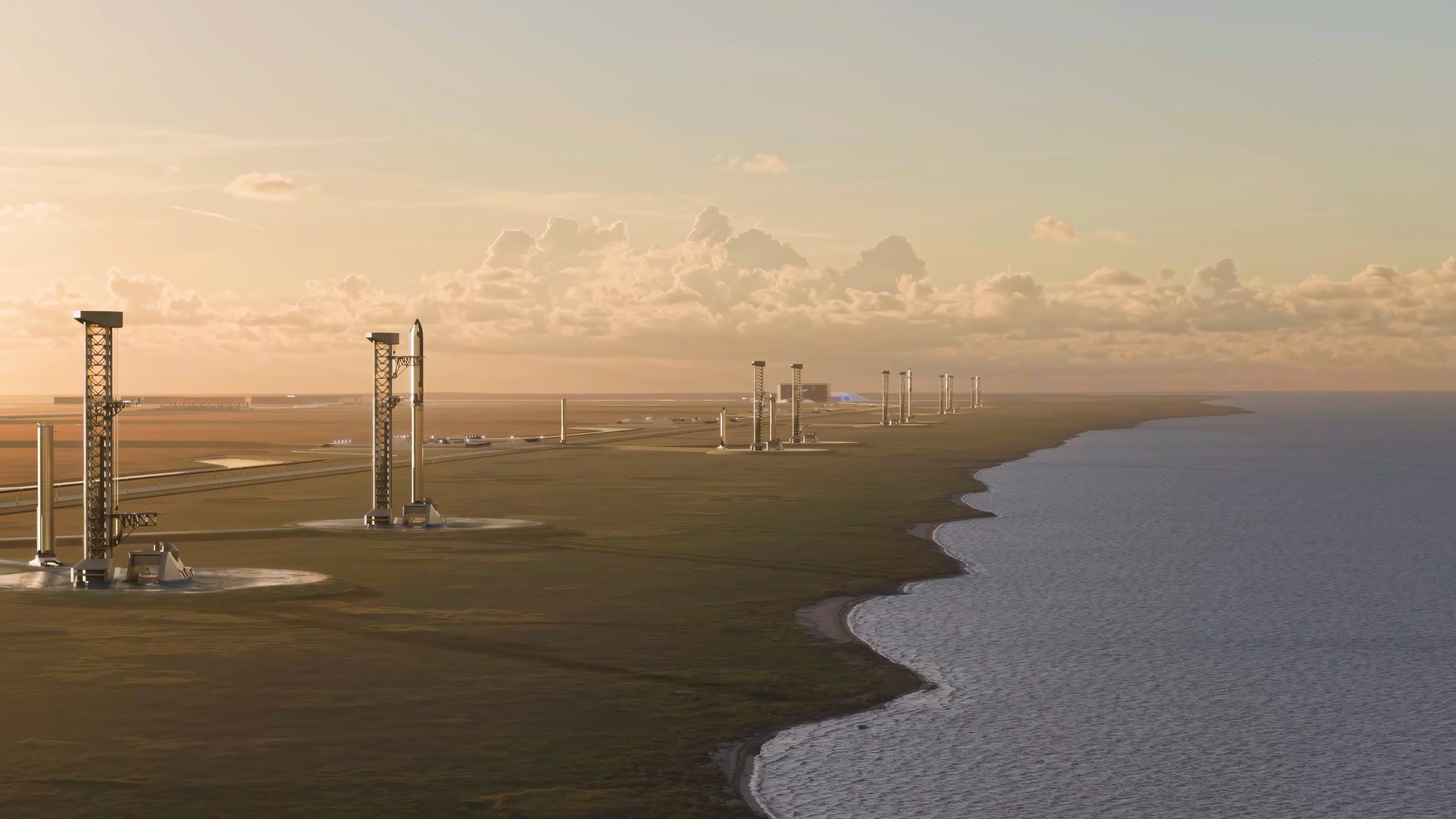
"We’re planning to build a self-sustaining spaceport with its own propellant production, power generation, deep-water shipping capabilities, vehicle processing facilities, and probably an airport," SpaceX President Gwynne Shotwell stated during the unveiling. The strategic choice of Louisiana, according to Shotwell, is driven by the state’s abundant natural resources, specifically the ready access to natural gas necessary to synthesize the methane propellant required for the Starship’s Raptor engines.
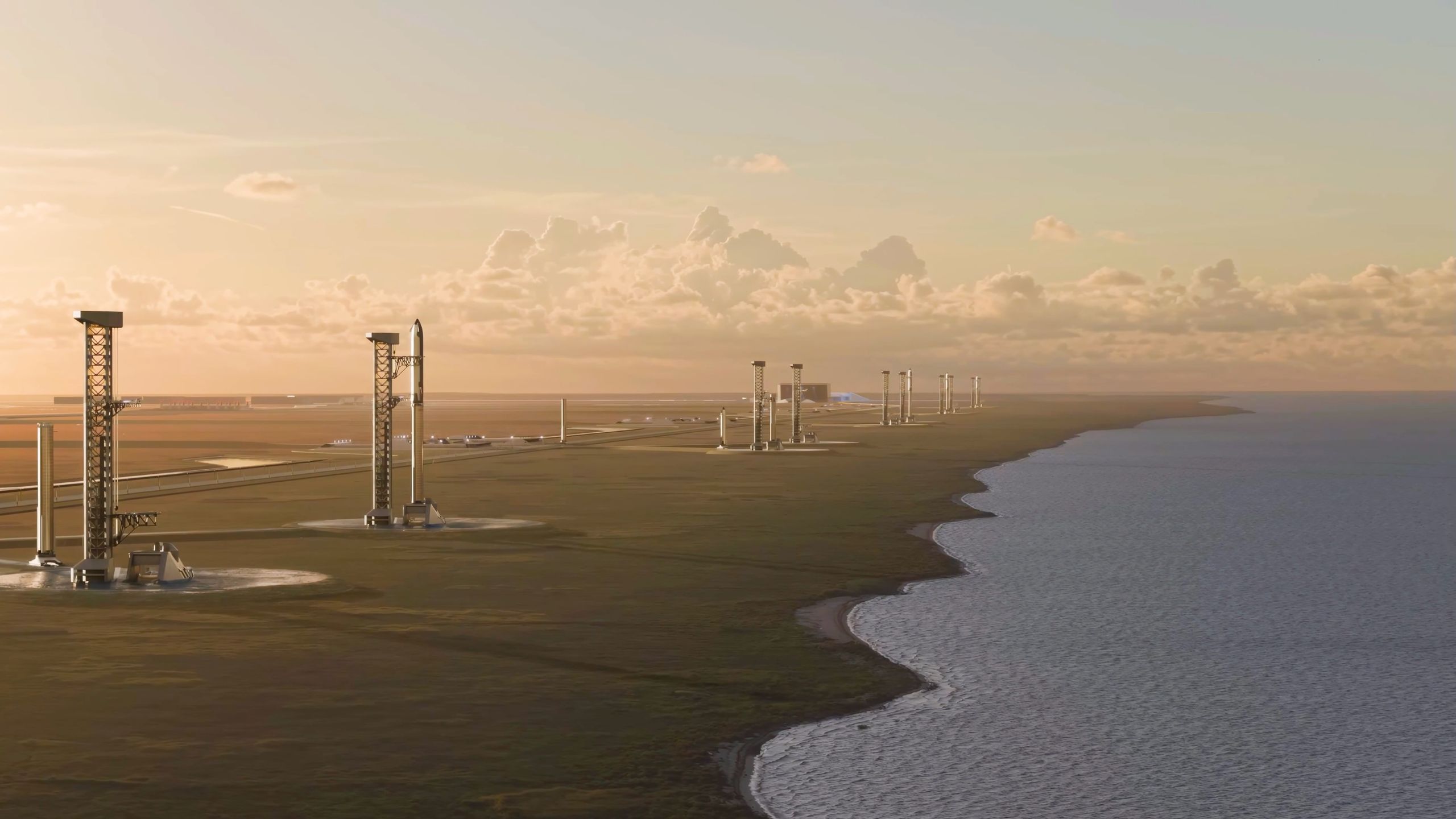
The sheer scale of the proposed facility is difficult to overstate. The master plan calls for five distinct launch complexes, each equipped with dual launch towers, resulting in a total of 10 active launch pads. Every pad will feature its own dedicated propellant farm, ensuring that the facility remains operational at a scale that dwarfs current global spaceport throughput.
Chronology of a Mega-Project
The journey toward Starbase Louisiana is set to unfold over the next several years, following a rigorous planning and development phase.
- August 2025: Official announcement of the $100 billion investment partnership between SpaceX and the State of Louisiana.
- 2025–2026: Environmental impact assessments, regulatory permitting, and preliminary engineering design work in collaboration with state and federal agencies.
- 2027: Scheduled commencement of heavy construction at the Vermilion Parish site.
- 2029: Targeted date for the maiden launch from the new Starbase Louisiana facility.
- 2030 and Beyond: Scaling toward the envisioned flight rate, with the site becoming the primary hub for Starlink deployments, lunar missions, and potential deep-space logistics.
The project timeline is intentionally aggressive, reflecting SpaceX’s penchant for rapid iteration. By aligning construction with the maturation of the Starship vehicle—currently undergoing its 14th test flight cycle—SpaceX aims to have the facility ready exactly as the fleet transitions from testing to full-scale commercial utility.
Supporting Data and Operational Logic
The economic and technical data supporting the Starbase Louisiana project underscores the sheer magnitude of the ambition. Louisiana Economic Development officials report that the project is expected to create 3,000 direct, high-skilled jobs within the first decade, with thousands more generated through the supply chain and regional services.
The need for such a facility is dictated by the math of the "Starship Revolution." Elon Musk has publicly stated his goal of achieving a flight cadence of 30 launches per day by 2030. To reach that goal of 10,000+ flights annually, the current launch sites in Texas and Florida are insufficient.
The Refueling Infrastructure
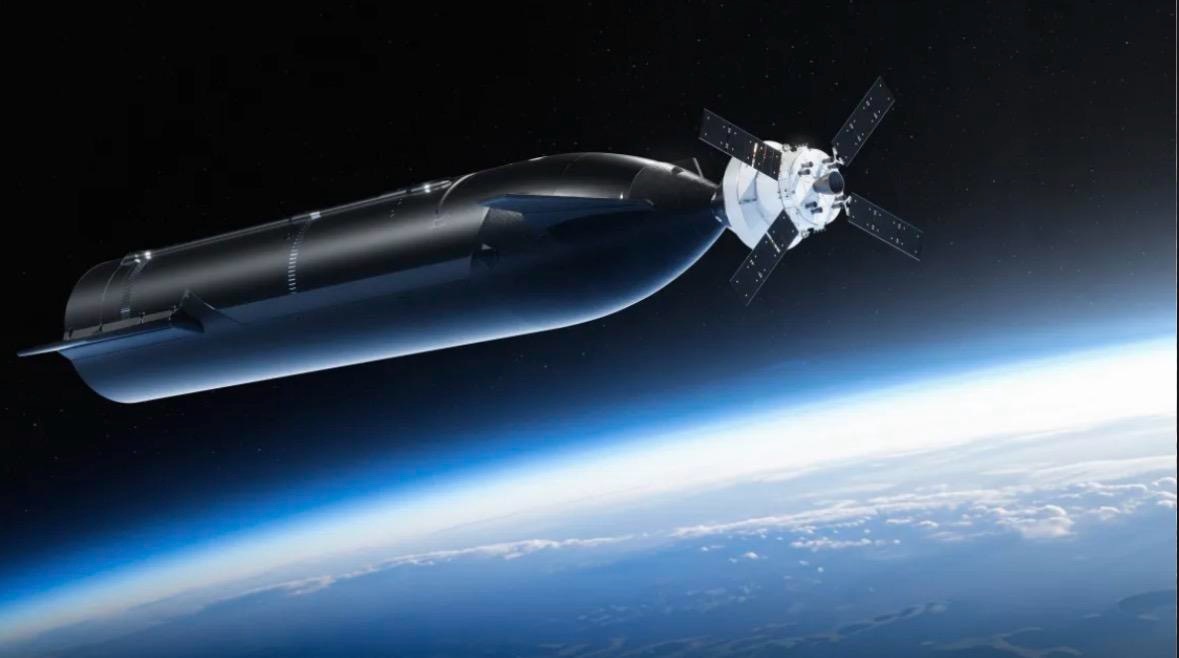
Central to the mission profile of the Starship is the concept of orbital refueling. To send the vehicle to the Moon or Mars, it must be topped off in Low Earth Orbit (LEO). A single lunar mission could require a dozen or more tanker launches. With 10 pads, Starbase Louisiana will serve as the engine room for this complex orbital logistics chain, acting as a "gas station in the sky" delivery system that enables deep-space exploration.
Retiring the Falcon Era
The shift toward Starship also marks the beginning of the end for the Falcon 9. With over 300 successful Starlink missions, the Falcon 9 has been the workhorse of the modern era. However, as SpaceX transitions its entire Starlink constellation to the higher-capacity Starship, the company plans to phase out the Falcon 9. The new Louisiana site is expected to be the final home for the massive Starlink deployment operations that currently dominate the company’s launch manifests.
Official Responses and Strategic Implications
Louisiana Governor Jeff Landry has positioned the project as a historical milestone for the state, equating the scale of the investment to the Louisiana Purchase. "In 1803, Louisiana gave America a continent," Landry remarked. "Today, Louisiana and SpaceX will give America the stars."
The project has also prompted a proactive approach to environmental stewardship. Recognizing the fragility of the Gulf Coast ecosystem, SpaceX is coordinating with wildlife and coastal authorities to integrate the facility into existing restoration efforts. "We are committed to doing our part to ensure that this land doesn’t disappear," Shotwell added. "SpaceX is partnering with state and federal agencies to expand Louisiana’s coastal master plan, including shoreline protection, marsh restoration, and wildlife conservation."
A New Class of Infrastructure
The implications of this project extend beyond mere rocket launches. SpaceX is actively exploring the integration of "orbital supercomputing," where Starship would launch massive AI server arrays into space. By moving high-compute tasks to orbit, the company hopes to bypass terrestrial energy constraints and latency issues.
Furthermore, the site is designed to support the Artemis program, NASA’s initiative to return humans to the Moon. With SpaceX serving as the primary lunar lander provider, Starbase Louisiana will be the staging ground for the hardware that will land the next astronauts on the lunar surface.
The Future of Human Interplanetary Life
Ultimately, Starbase Louisiana is a manifestation of SpaceX’s core mission: making life multi-planetary. The site is not merely a launch pad; it is a manufacturing and logistical nexus designed to transform the cost and efficiency of spaceflight.
As the aerospace industry watches closely, the development of this massive facility will likely serve as a litmus test for the future of commercial space exploration. By consolidating manufacturing, propellant production, and launch operations into one site, SpaceX is attempting to achieve an economy of scale previously thought impossible.
The transition from "science fiction to reality," as Shotwell described it, is now well underway. With the regulatory groundwork being laid and the financial backing secured, Vermilion Parish is poised to become the most important point on the map for the future of human spaceflight. Whether the ambitious goals for 2030 are met or not, the commitment represented by Starbase Louisiana ensures that the United States will remain at the forefront of the space race for decades to come, with the Gulf Coast serving as the launchpad for humanity’s first true steps into the broader solar system.