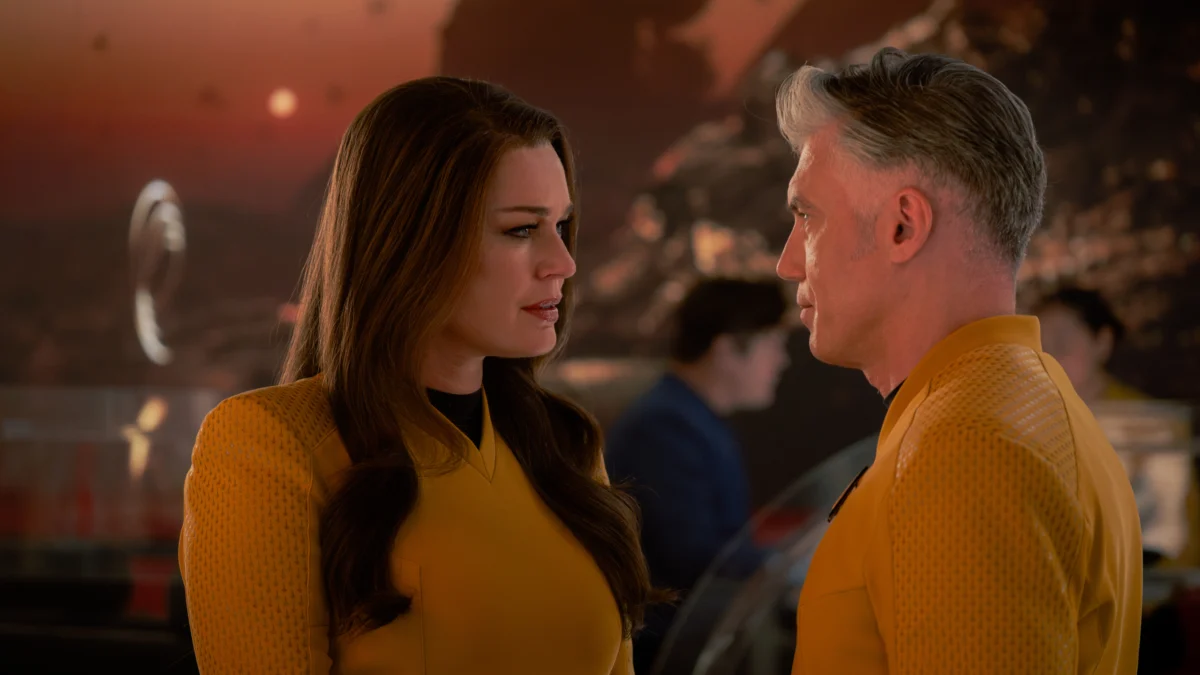
In the long, storied history of the Star Trek franchise, the mission of the USS Enterprise has always been to explore strange new worlds and seek out new life. However, in its fourth season, Star Trek: Strange New Worlds has taken this mandate to a meta-fictional extreme. By embracing an ever-expanding array of genre experiments—ranging from high-concept sci-fi to outright absurdity—the show has officially leaned into its identity as a sophisticated space-based soap opera.
The latest episode, "Like Chronitons Through the Hourglass," serves as the ultimate realization of this stylistic pivot. When the mischievous Q-adjacent entity Trelane (played with chaotic glee by Rhys Darby) decides to turn the bridge of the Enterprise into his personal stage, the crew finds themselves trapped in a narrative framework defined by dramatic pauses, sweeping incidental music, and the kind of interpersonal revelations that would make a daytime television writer blush.
The Mechanics of a Space-Bound Soap Opera
At its core, the soap opera is defined by the intimate, often volatile, daily lives of a consistent group of characters. While the term is frequently used pejoratively to imply low production values or histrionic acting, its structural benefits are undeniable. Soap operas thrive on long-running arcs, deep-seated emotional baggage, and the "will they/won’t they" dynamic that keeps audiences coming back for decades.
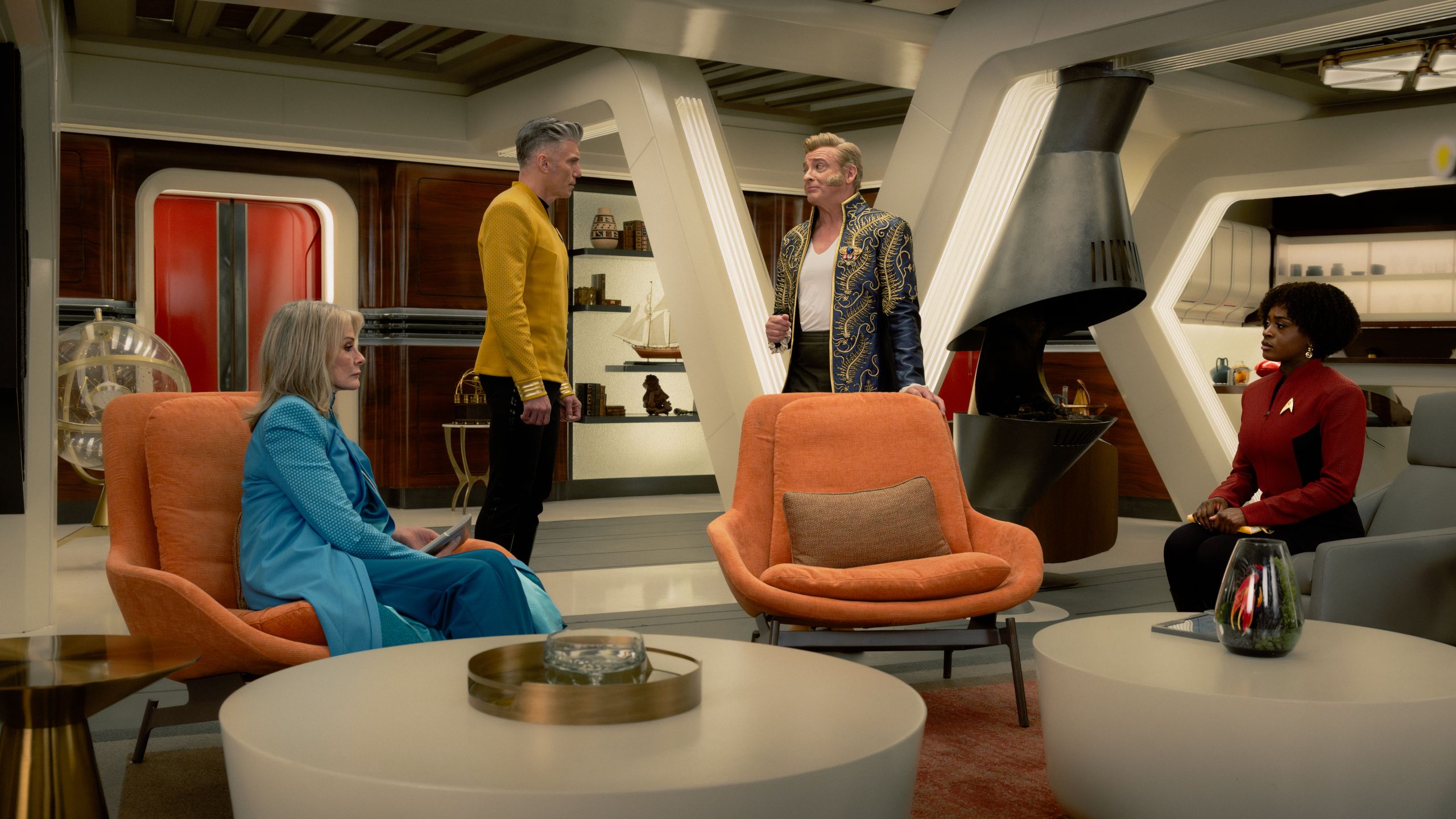
"Like Chronitons Through the Hourglass" highlights that Star Trek has always possessed this DNA. By introducing artificial lighting shifts, commercial-break pacing, and a crew suddenly prone to staring wistfully into the middle distance, the episode forces the audience to confront a simple truth: the Enterprise has always been a floating soap opera, just with more warp drive and less picket-fence drama.
A Chronological Evolution of "Trek" Drama
To understand how we arrived at this moment, one must look at the franchise’s trajectory. The Original Series (TOS) was famously episodic. While the chemistry between Kirk, Spock, and McCoy provided the foundation, the characters were often archetypes. The "adventure of the week" format took precedence, meaning character development was frequently reset by the final act.
The TNG Shift: The Age of the Counselor
The paradigm shifted significantly with Star Trek: The Next Generation (TNG). By introducing a ship’s counselor, Deanna Troi, into the bridge hierarchy, the franchise signaled that the crew’s emotional well-being was just as vital as the navigation of the ship.
The writers began weaving complex backstories into the fabric of the show. Commander Riker and Counselor Troi’s unresolved history, and the tragic, lingering tension between Captain Jean-Luc Picard and Dr. Beverly Crusher, introduced a serialized emotional stakes that mirrored the best of prime-time dramas. By the time Star Trek: Insurrection and Star Trek: Picard aired, these long-simmering romances finally found their payoff, proving that the franchise was playing the long game all along.
The Serialization of DS9 and Beyond
Deep Space Nine (DS9) arguably perfected the blend of space opera and soap opera. Set on a stationary space station, the show didn’t have the luxury of "leaving the planet behind." Instead, it forced its characters to confront the consequences of their actions in a grounded, serialized environment. The tragic romance between Odo and Kira Nerys, the marriage of Sisko and Kasidy Yates, and the complex web of relationships involving Jadzia and Ezri Dax proved that Star Trek could handle the heavy emotional lifting usually reserved for daytime soaps.
This tradition continued through Voyager—with its exploration of found-family dynamics and internal conflicts—and Enterprise, which featured the slow-burn romance between Trip Tucker and T’Pol. Modern iterations like Discovery and the upcoming Starfleet Academy have only further embraced this emotional transparency, prioritizing interpersonal growth alongside high-stakes galactic crises.
Analyzing the "Trelane Effect"
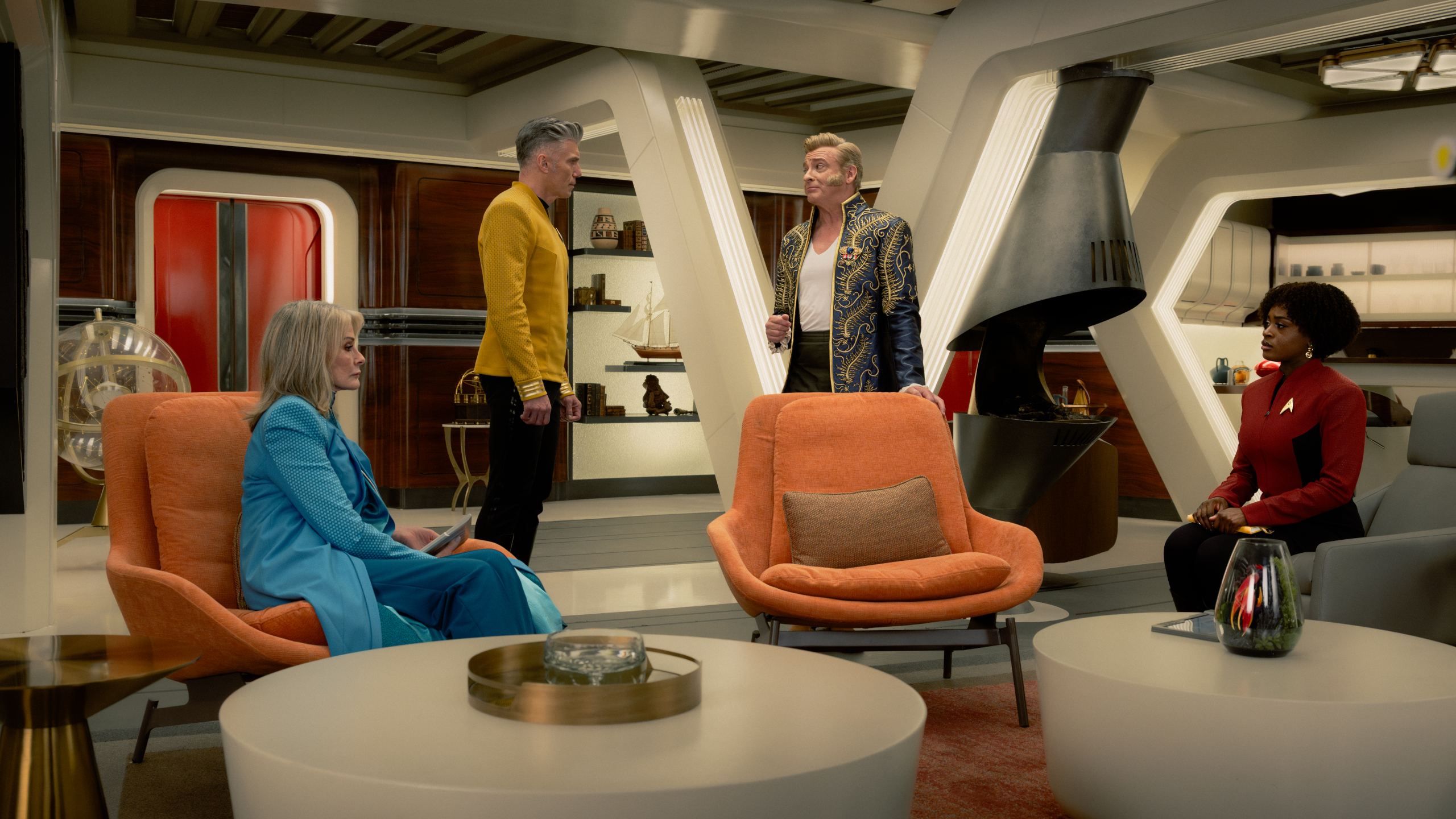
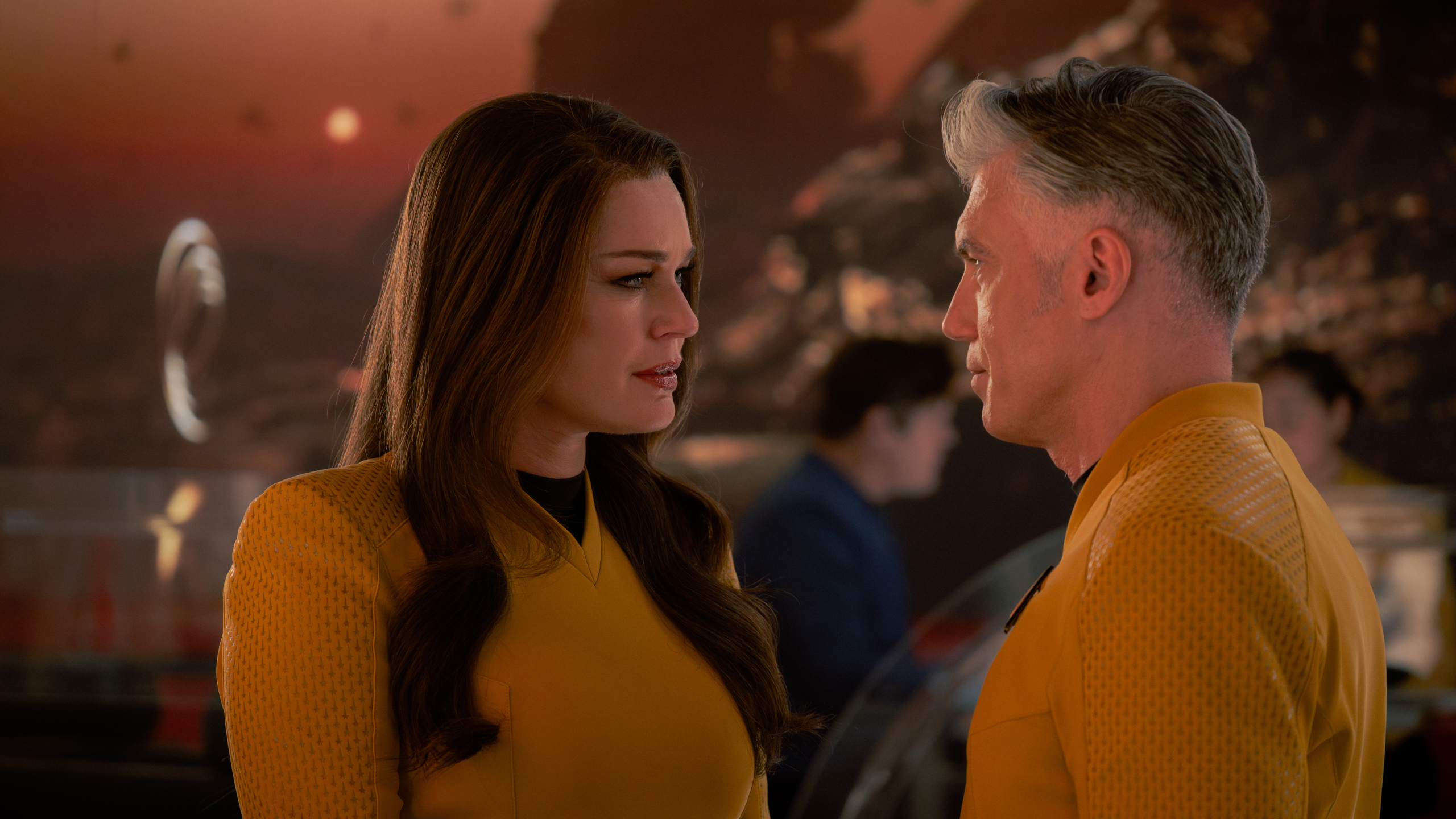
"Like Chronitons Through the Hourglass" is a self-aware parody of these tropes. The episode’s brilliance lies in its juxtaposition of the ridiculous and the profound. The inclusion of Deidre Hall—a literal legend of the daytime soap Days of Our Lives—as Dr. Chivers is a masterstroke of casting that blurs the lines between reality and television fiction.
When Captain Pike is confronted with the "revelation" that he is Uhura’s long-lost father or that he is suffering from "cosmic amnesia," the show plays with the absurdity of soap opera plot twists. Yet, beneath the satire, the episode provides a genuine emotional core. Pike’s struggle to process the loss of his partner, Marie Batel, and the ghost of the daughter he never had in a divergent timeline, is treated with surprising, heartfelt gravity.
The Implications of Genre-Bending
Critics have previously debated whether Strange New Worlds leans too heavily on "gimmick" episodes. After all, the show has already tackled Martian invasions, The Hangover-style memory loss, and even an episode featuring Muppets. However, this refusal to stay in a single lane is precisely what keeps the show fresh in an era of saturated content.
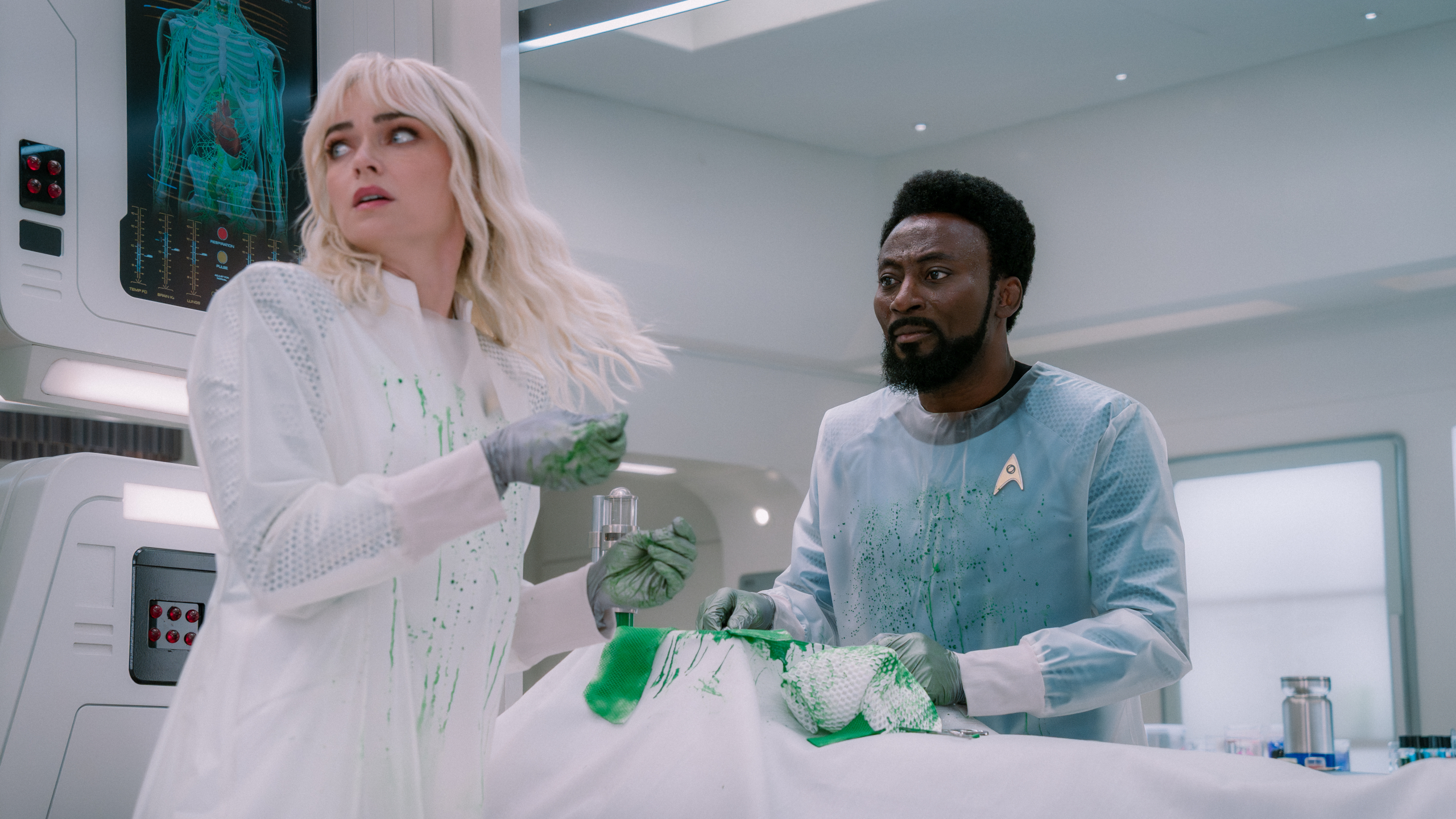
By utilizing the "soap opera" lens, the showrunners are able to strip away the "Star Trek" formality that sometimes hinders character growth. When the crew is forced to speak in the dramatic, stilted, or overly emotive language of a soap, they are also forced to address the underlying feelings they usually keep buried under regulations and professional conduct.
Furthermore, this approach invites the audience to view the characters as people rather than just officers. When La’an Noonien-Singh faces off against Spock’s "evil twin," the show isn’t just delivering a plot twist; it is exploring the duality of identity—a theme that echoes the iconic Data and Lore storylines of the TNG era.
Official Perspectives and The Road Ahead
Paramount and the Strange New Worlds production team have remained steadfast in their commitment to this "genre-fluid" approach. The creative team has stated in various interviews that their goal is to ensure that every episode feels distinct, allowing the cast to stretch their acting muscles in ways that a standard procedural format would not allow.
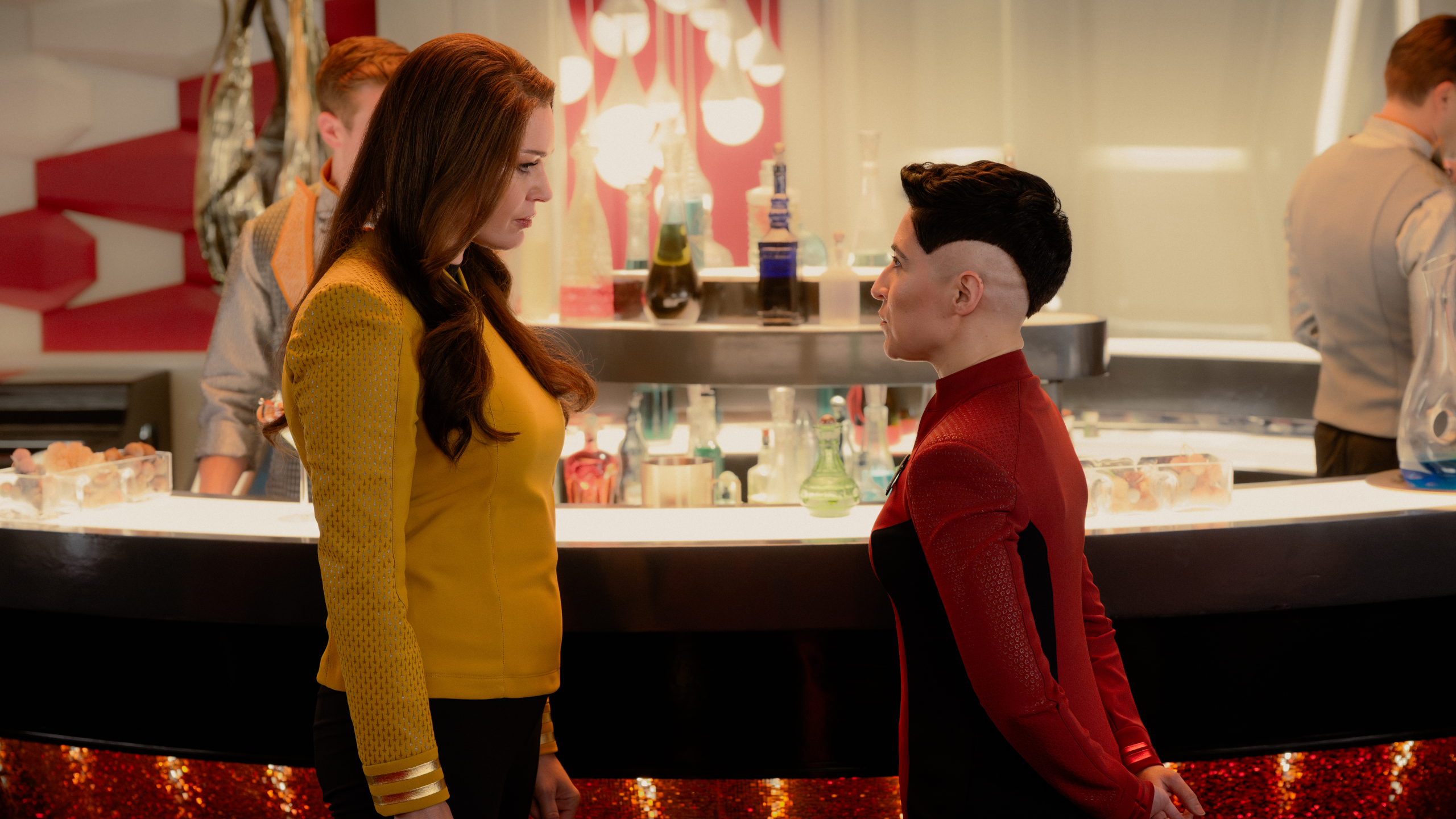
For Anson Mount (Captain Pike), these episodes provide a rare opportunity to showcase a range of emotions that go beyond the typical "stoic captain" archetype. The ability to pivot from a space-battle commander to a man mourning a lost, imaginary life within the span of a few scenes is a testament to the show’s writing and the actors’ versatility.
Conclusion: Why It Works
Ultimately, the success of Strange New Worlds lies in its willingness to be everything at once. It is a show about the majesty of the cosmos, yes, but it is also a show about the people who inhabit that cosmos. If "Star Trek" has always been a soap opera in disguise, then Strange New Worlds is merely the iteration that has finally dropped the disguise.
As the Enterprise continues its mission, viewers can expect more of these stylistic detours. Whether it is a musical, a comedy, or a high-drama soap parody, the show understands that the most compelling "strange new worlds" are often the internal landscapes of the characters themselves. As long as the heart of the show remains grounded in the relationships between the crew, it doesn’t matter if they are navigating a nebula or a plot twist—it’s always going to be Star Trek.
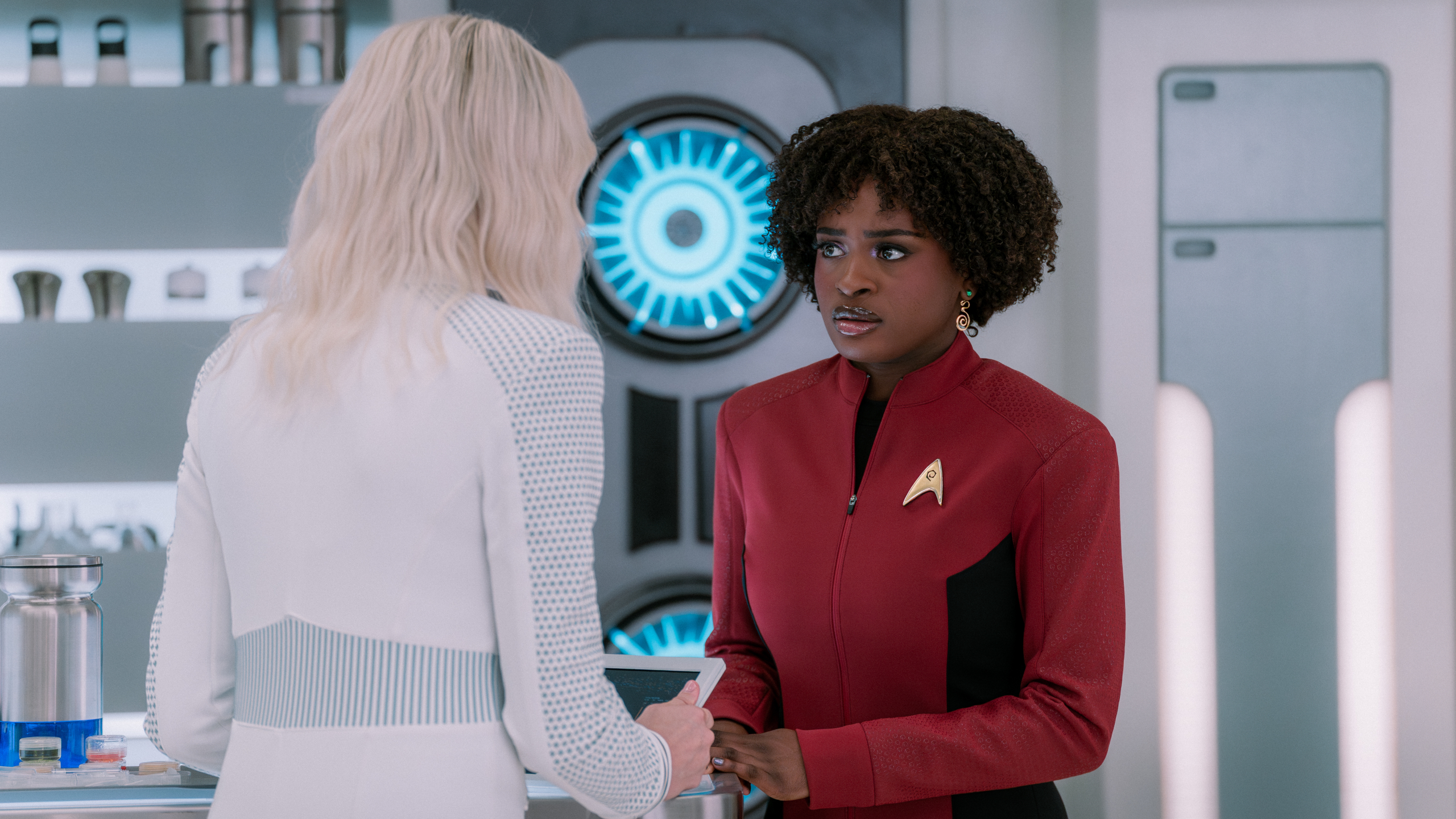
New episodes of "Star Trek: Strange New Worlds" continue to premiere on Paramount+ every Thursday.