The dawn of the third millennium was, for science fiction cinema, a period of profound transition. As the world moved past the anxieties of Y2K, the genre underwent a metamorphosis, shedding the campy remnants of the late 90s in favor of grounded, high-concept narratives, burgeoning technological optimism, and a newfound appetite for dystopian social commentary. The decade between 2000 and 2009 was not merely a bridge between the analog and digital eras; it was a creative explosion that redefined the boundaries of what speculative fiction could achieve.
While legacy franchises like Star Wars and Star Trek maintained their cultural hegemony, the decade was characterized by an unprecedented wave of original storytelling. From the birth of the Marvel Cinematic Universe to the quiet, philosophical inquiries of independent filmmakers, the 2000s proved that science fiction was the most versatile vessel for exploring the human condition.
The Evolution of the Genre: A Decade in Review
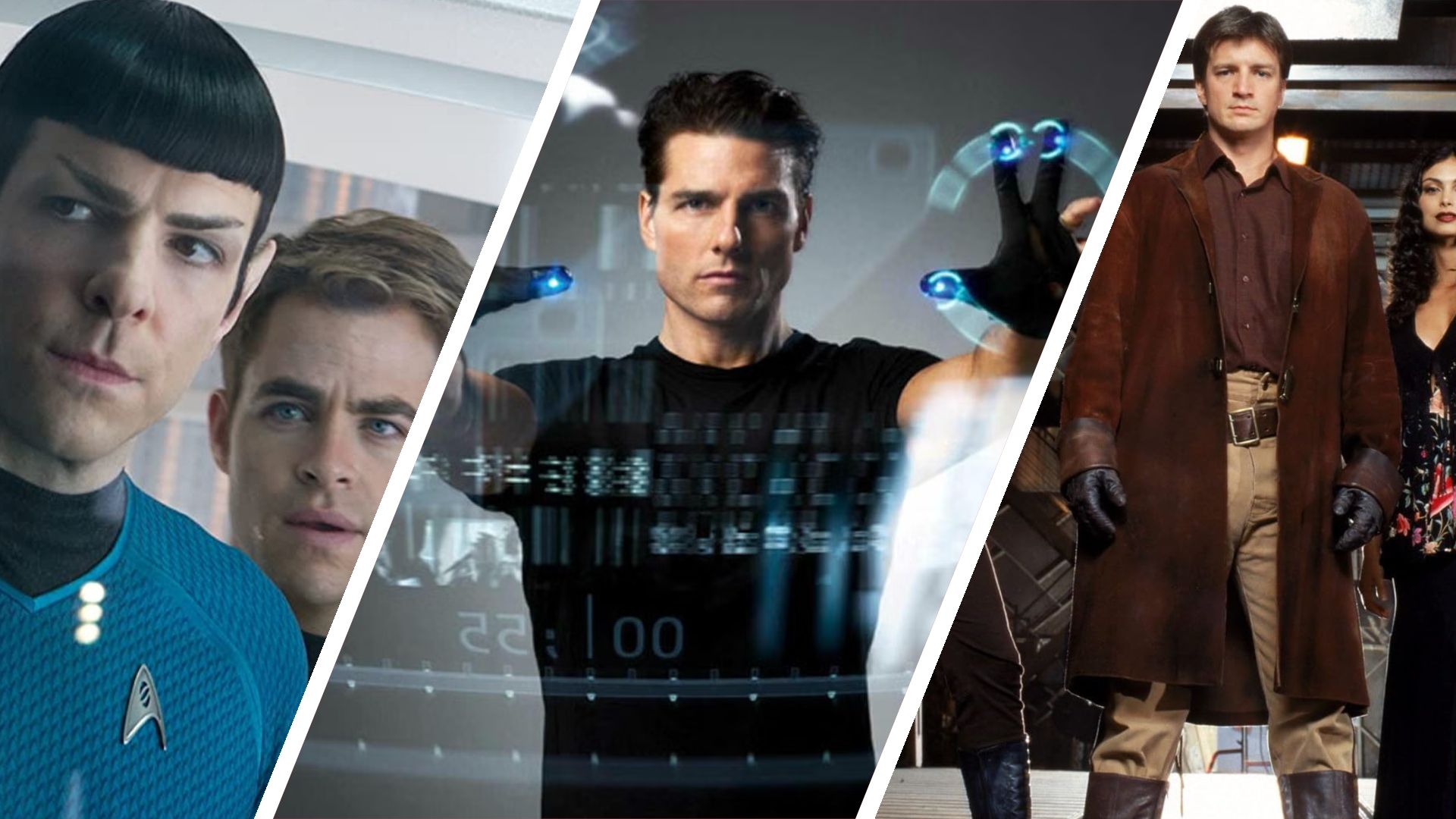
The 2000s represented a maturation of special effects, moving away from practical-heavy aesthetics toward seamless CGI integration. However, the true strength of this era lay in its thematic depth. Filmmakers began to pivot away from "aliens-as-invaders" tropes, focusing instead on the ramifications of bioethics, the nature of memory, and the fragility of our planet.
The following twelve films represent the zenith of this period—a collection that proved so formidable in its quality that we have expanded our selection to capture the full spectrum of the decade’s ingenuity.
12. Iron Man (2008)
Director: Jon Favreau | Cast: Robert Downey Jr., Jeff Bridges
The release of Iron Man in 2008 did more than introduce a new hero; it laid the foundation for the most significant shift in cinematic history: the Marvel Cinematic Universe (MCU). By grounding the fantastical concept of a powered suit in the realistic, albeit high-tech, world of billionaire arms dealer Tony Stark, Jon Favreau created a blueprint for modern blockbusters. Robert Downey Jr.’s career-defining performance injected a level of charisma and vulnerability that allowed sci-fi to dominate the mainstream box office for the next two decades.
11. Star Trek (2009)
Director: J.J. Abrams | Cast: Chris Pine, Zachary Quinto
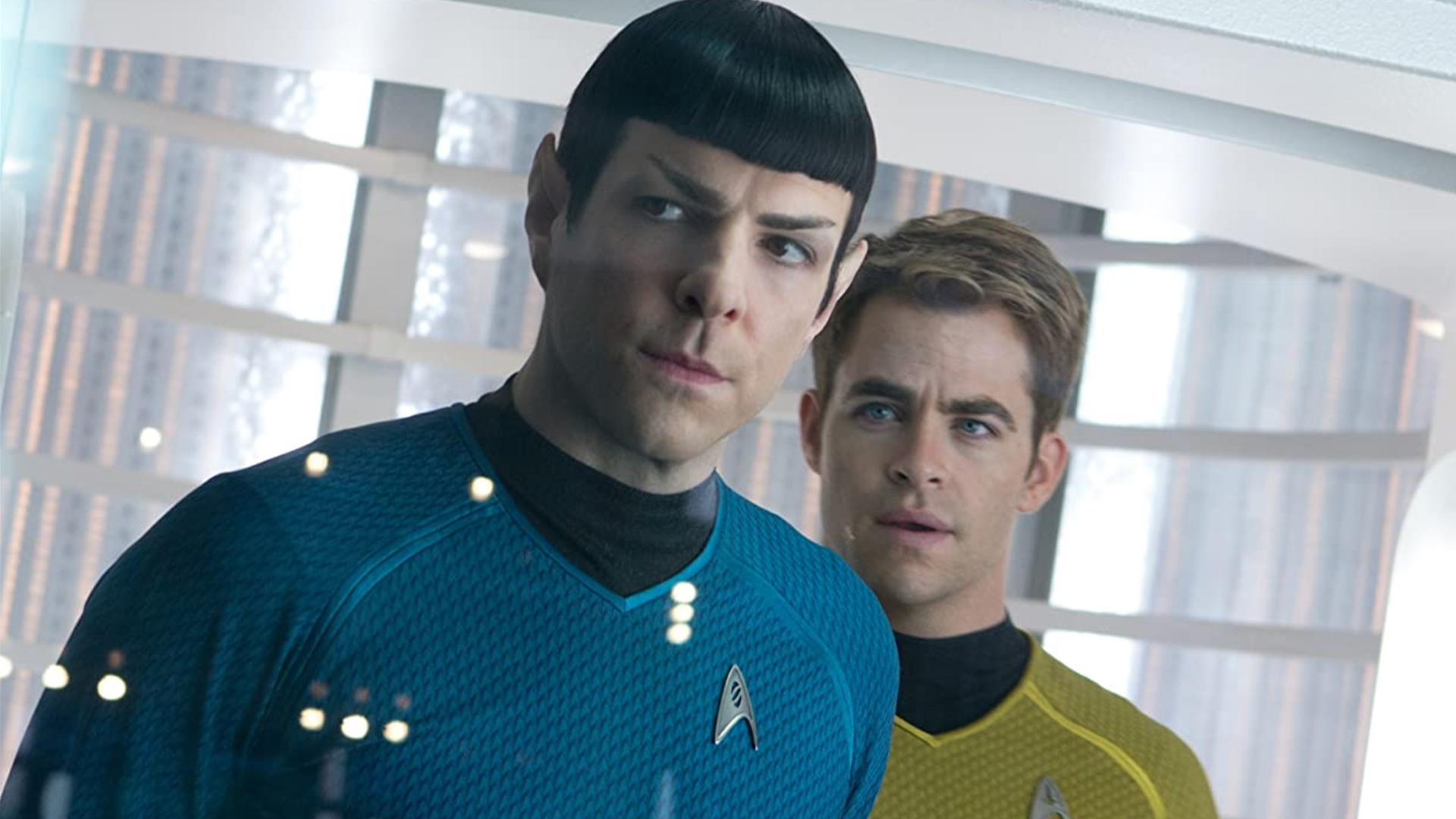
After years of stagnation, Star Trek needed a jolt of energy, and director J.J. Abrams delivered it with a kinetic, high-octane reboot. By utilizing a "Kelvin timeline"—a clever narrative device that allowed the franchise to honor the past while reinventing the future—Abrams brought back the iconic chemistry of Kirk and Spock for a new generation. With vibrant visuals and a focus on character dynamics over dry space politics, Star Trek proved that legacy franchises could indeed find a fresh pulse.

10. District 9 (2009)
Director: Neill Blomkamp | Cast: Sharlto Copley
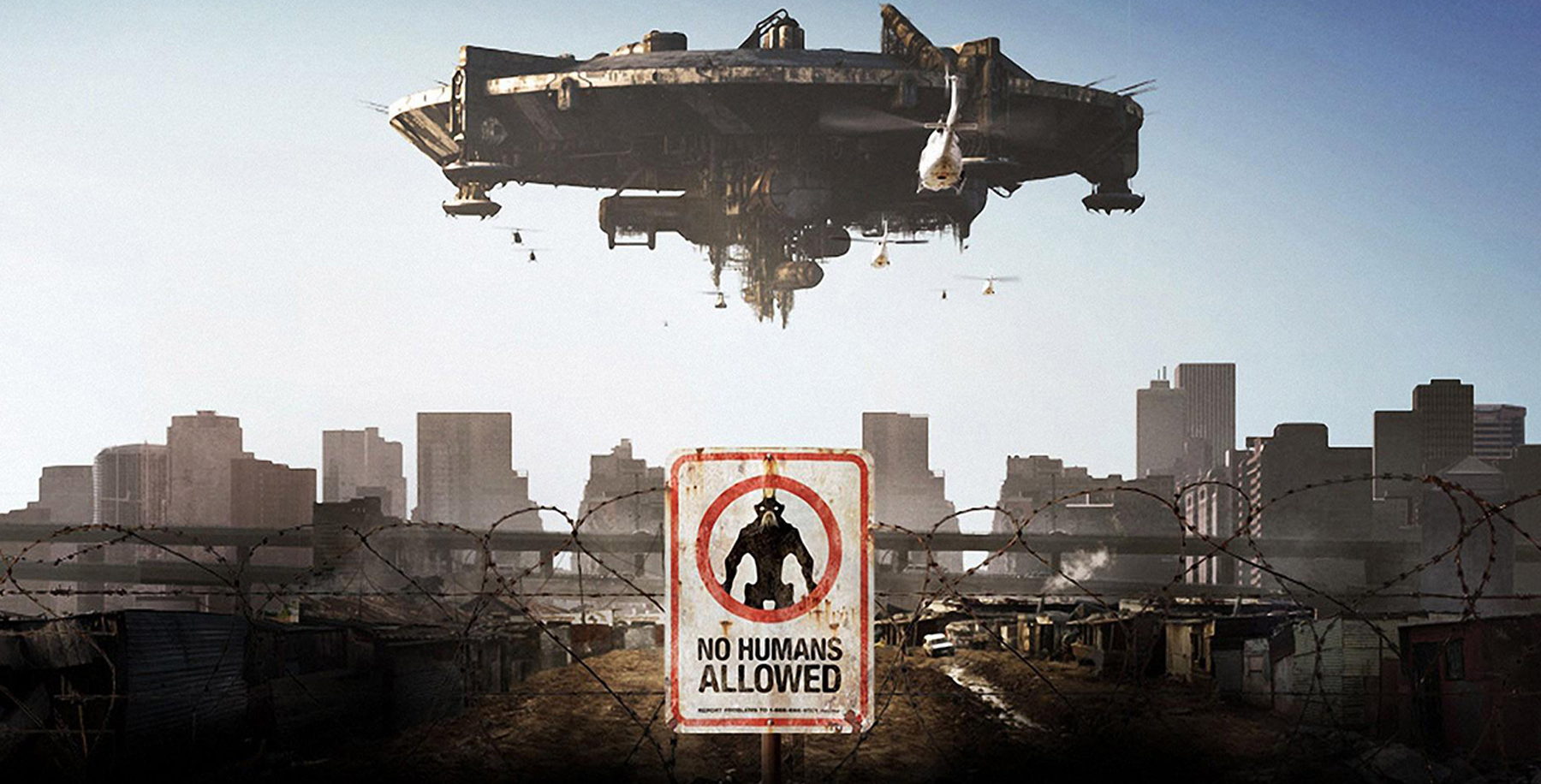
Neill Blomkamp’s feature debut remains one of the most inventive uses of the "found footage" format. By transplanting an alien arrival narrative to a squalid internment camp in Johannesburg, District 9 utilized sci-fi as a sharp, unflinching lens for social commentary on apartheid and xenophobia. Its blend of gritty, mockumentary-style realism and high-budget action set pieces established a new standard for independent sci-fi.
9. Sunshine (2007)
Director: Danny Boyle | Cast: Cillian Murphy, Chris Evans
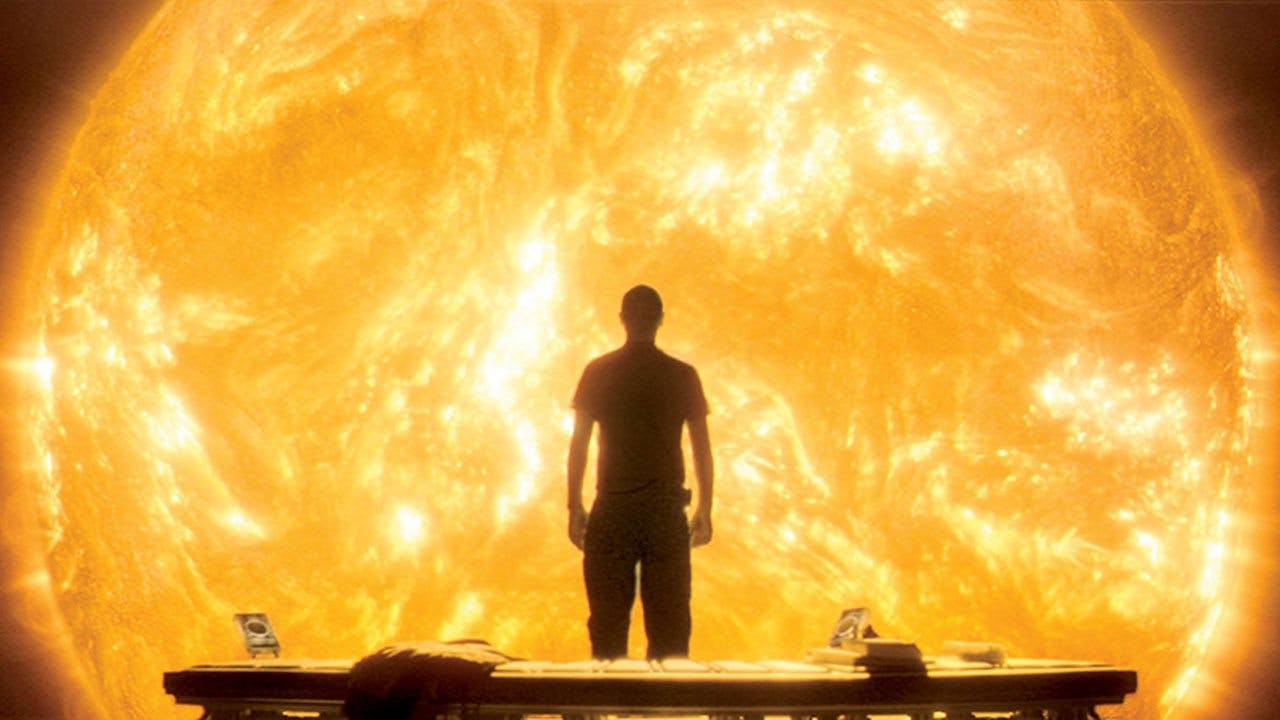
Danny Boyle’s venture into space exploration is a masterclass in atmospheric tension. Set in 2057, as the sun begins to die, a crew of scientists is tasked with the ultimate mission: delivering a stellar bomb to jumpstart the star. Sunshine is a rare breed of film that balances hard science with a descent into existential horror. Its visual splendor and psychological weight cement it as a modern classic of the "doomed mission" subgenre.
8. Serenity (2005)
Director: Joss Whedon | Cast: Nathan Fillion, Gina Torres
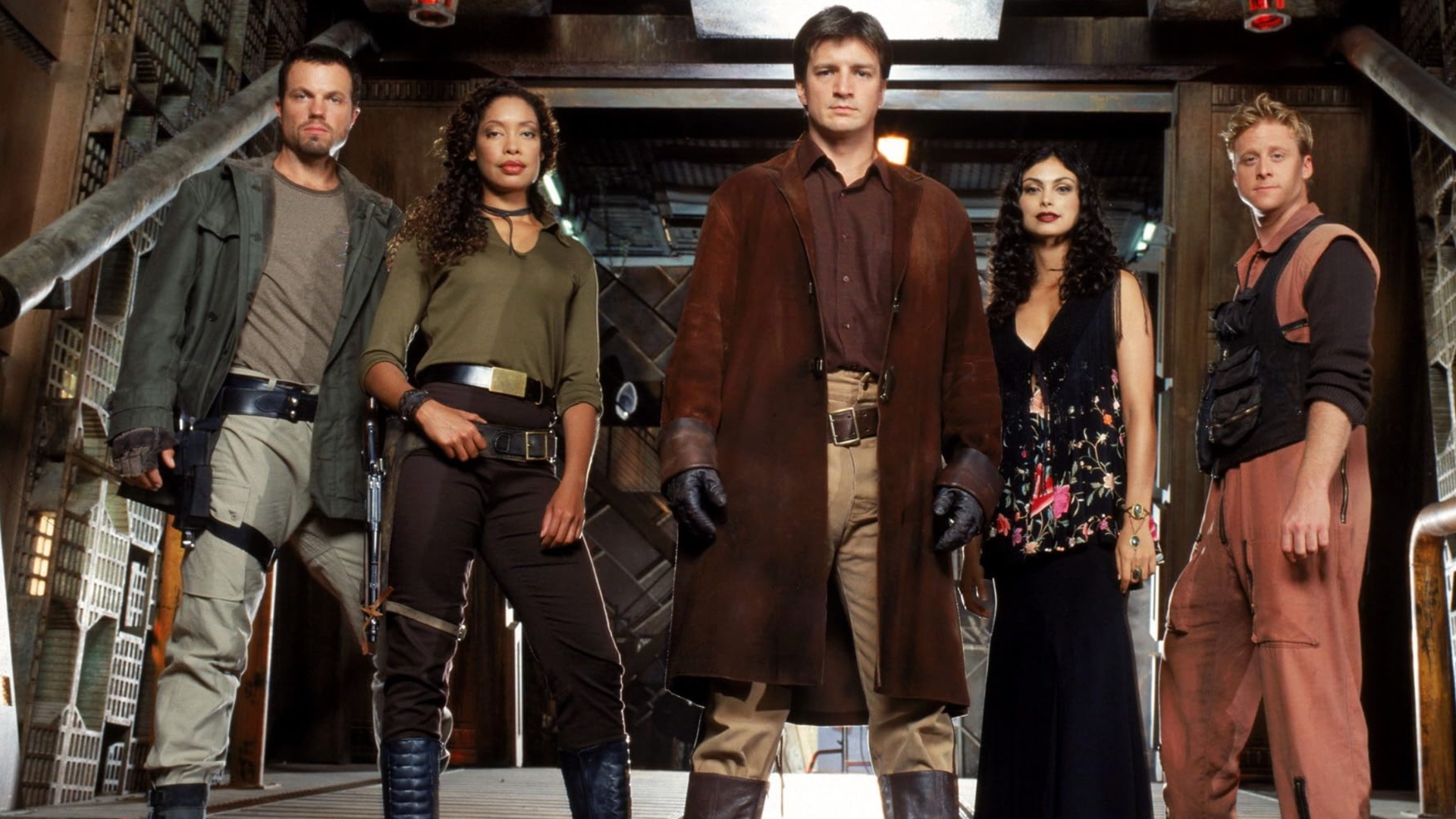
Following the premature cancellation of the cult-favorite television series Firefly, Serenity served as a triumph for fan advocacy. It is a rare example of a "Space Western" that succeeds on the strength of its ensemble cast and razor-sharp dialogue. By closing the arcs left open by the show, Whedon provided a definitive, high-stakes conclusion that remains a beacon for how to properly transition from television to film.
7. Donnie Darko (2001)
Director: Richard Kelly | Cast: Jake Gyllenhaal, Jena Malone
Donnie Darko is the definitive cult classic of the 2000s. A surreal blend of teenage angst, suburban critique, and complex time-travel theory, the film challenged audiences to piece together its nonlinear puzzle. Jake Gyllenhaal’s haunting performance as a troubled teen visited by a sinister rabbit in a world on the brink of collapse helped elevate the film from a mere indie curiosity to a staple of psychological sci-fi.
6. The Man From Earth (2007)
Director: Richard Schenkman | Cast: David Lee Smith, Tony Todd
In a decade obsessed with visual spectacle, The Man From Earth stands out for its radical simplicity. Taking place entirely in a single room, the film focuses on a professor who claims to be a 14,000-year-old Cro-Magnon man. It is a dialogue-driven intellectual exercise that proves sci-fi does not need massive budgets or complex CGI to explore profound concepts of history, religion, and the nature of time.
5. Minority Report (2002)
Director: Steven Spielberg | Cast: Tom Cruise, Colin Farrell
Based on the Philip K. Dick novella, Minority Report is perhaps the most prescient film on this list. Spielberg’s vision of a 2054 Washington, D.C., where "Precrime" units use psychics to stop criminals before they act, serves as a chilling meditation on surveillance, determinism, and civil liberty. Beyond its philosophical depth, the film accurately predicted a staggering amount of modern technology, from gesture-controlled computing to personalized targeted advertising.
4. Children of Men (2006)
Director: Alfonso Cuarón | Cast: Clive Owen, Julianne Moore
Alfonso Cuarón’s Children of Men is a masterpiece of technical filmmaking and narrative dread. Set in a 2027 where humanity has become infertile, the film depicts a crumbling world on the verge of total collapse. Famous for its visceral, long-take cinematography, the film is an urgent, gritty, and ultimately hopeful story about the survival of the human spirit in an environment devoid of a future.
3. Eternal Sunshine of the Spotless Mind (2004)
Director: Michael Gondry | Cast: Jim Carrey, Kate Winslet
Blending science fiction with intimate, heartbreaking romance, Eternal Sunshine explores the ethics of memory erasure. By utilizing a high-concept sci-fi premise—a procedure to wipe a lost love from one’s mind—the film examines the essential role of pain in the human experience. Jim Carrey and Kate Winslet deliver career-best performances, creating a film that is as intellectually stimulating as it is emotionally devastating.
2. Moon (2009)
Director: Duncan Jones | Cast: Sam Rockwell
Moon is a triumph of character-focused science fiction. Sam Rockwell’s portrayal of a lonely lunar miner nearing the end of his three-year contract is one of the most compelling one-man shows in genre history. The film’s quiet revelation of corporate conspiracy and the nature of identity is handled with a level of restraint and maturity that elevates it to the highest tier of speculative cinema.
1. WALL-E (2008)
Director: Andrew Stanton
It is a testament to the power of animation that the most profound sci-fi film of the 2000s features a robot that speaks almost entirely in beeps. WALL-E is a dual-layered masterpiece: a silent, charming romance on the surface and a scathing critique of consumerism and environmental negligence underneath. By stripping away dialogue for its first act, Pixar achieved a level of visual storytelling that few live-action films could dream of, cementing WALL-E as an icon of the genre.

Implications for the Future
The 2000s left an indelible mark on modern filmmaking. The success of these twelve films demonstrated that audiences were craving more than just explosions; they wanted stories that mirrored their own anxieties about technology and the environment. As we look back, it is clear that this decade set the stage for the current era of "prestige" science fiction, where the genre is now viewed as the most effective mirror for our own rapidly evolving reality. Whether through the expansive reach of the MCU or the quiet, single-room philosophy of The Man From Earth, the 2000s proved that in the realm of sci-fi, the sky—and indeed, the universe—is truly the limit.