The survival horror landscape has been defined by a select few titles that manage to transcend the genre, becoming cultural touchstones of dread. Creative Assembly’s 2014 masterpiece, Alien: Isolation, stands at the pinnacle of this pantheon. By successfully translating the suffocating, claustrophobic terror of Ridley Scott’s 1979 cinematic original into an interactive experience, the studio set a bar that few have since cleared. Now, after years of silence and fan speculation, the announcement of Alien: Isolation 2 has reignited the collective pulse of the gaming community. With a recent hands-on demo at Gamescom, it is clear that Creative Assembly is not merely resting on the laurels of their predecessor—they are looking to redefine the very nature of digital fear.
The Return to the Abyss: Main Facts
The announcement of Alien: Isolation 2 was met with a mixture of disbelief and jubilation. Following the immense success of Aliens: Dark Descent and the cooperative thrills of Fireteam Elite, the franchise is currently enjoying a high-water mark in gaming. However, the sequel to Isolation carries a unique weight.
Unlike the original game, which saw players navigating the derelict Sevastopol station as Amanda Ripley, the sequel shifts its focus. The game introduces a new protagonist, Blake, a civilian worker on a mysterious terraformed colony planet. While the shift away from the legacy character of Amanda Ripley initially surprised many, the narrative trajectory seems designed to expand the universe rather than rehash the past. Set just months after the conclusion of the first game, the story bridges the gap between the original’s terror and a new, more expansive nightmare. The game is currently slated for release on PlayStation 5, Xbox Series X|S, PC, and the highly anticipated Nintendo Switch 2, though an official release date remains shrouded in silence.
A Chronology of Terror: From Sevastopol to the Colony
To understand where we are going, we must look at where we have been. Alien: Isolation concluded with the destruction of the Sevastopol station, an act of desperate sacrifice by Amanda Ripley. Players were led to believe that the Xenomorph threat had been neutralized in that vacuum of space. However, as any fan of the Alien franchise knows, the "Company" (Weyland-Yutani) is relentless in its pursuit of the organism.
The prologue of the new title smartly contextualizes this history, using narration from Amanda Ripley herself to recount the tragic events of the first game. The narrative hook is chillingly familiar to those who enjoyed the recent film Alien: Romulus: parts of the destroyed Sevastopol station were salvaged, and with them, the biological horrors held within.
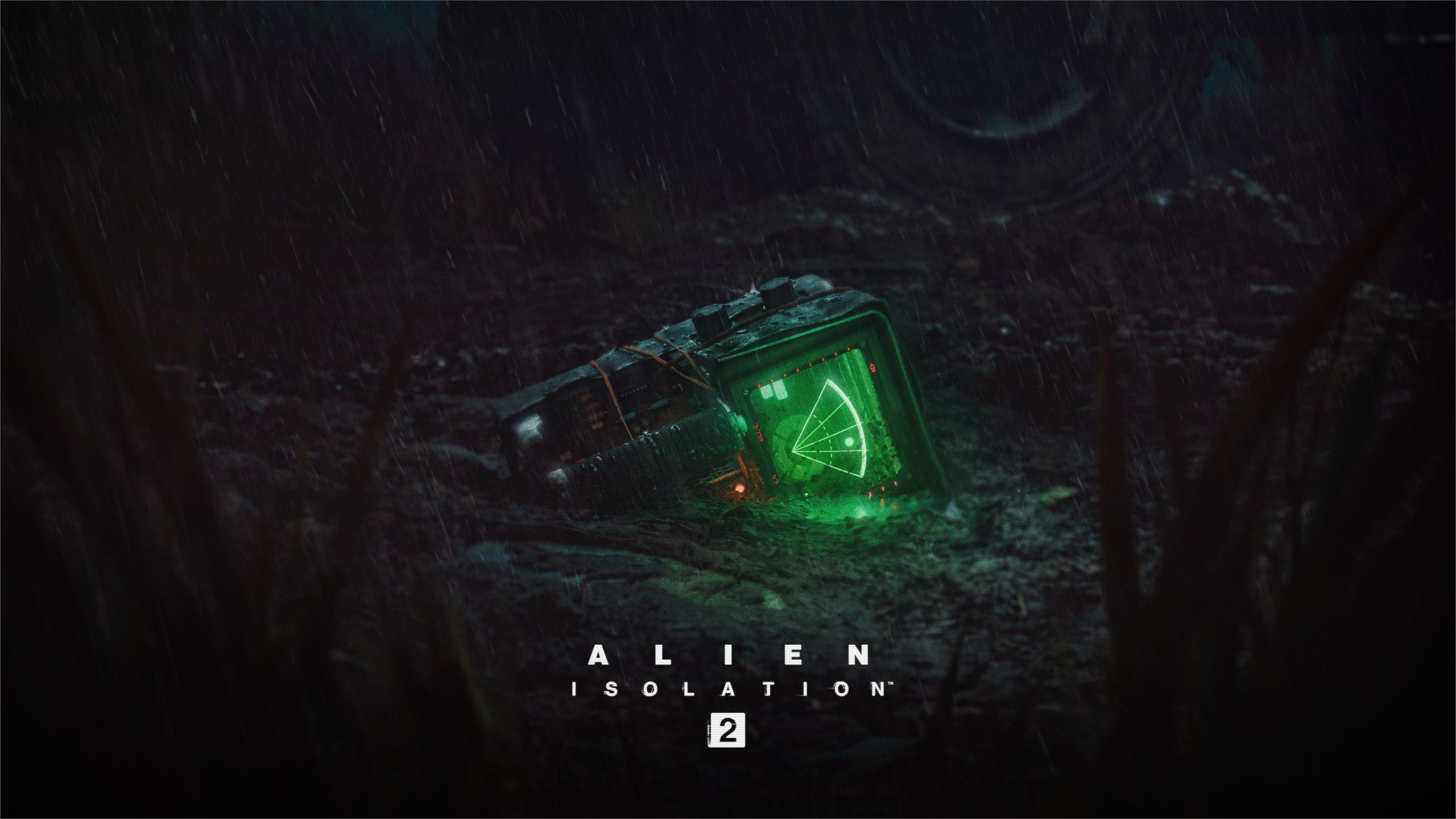
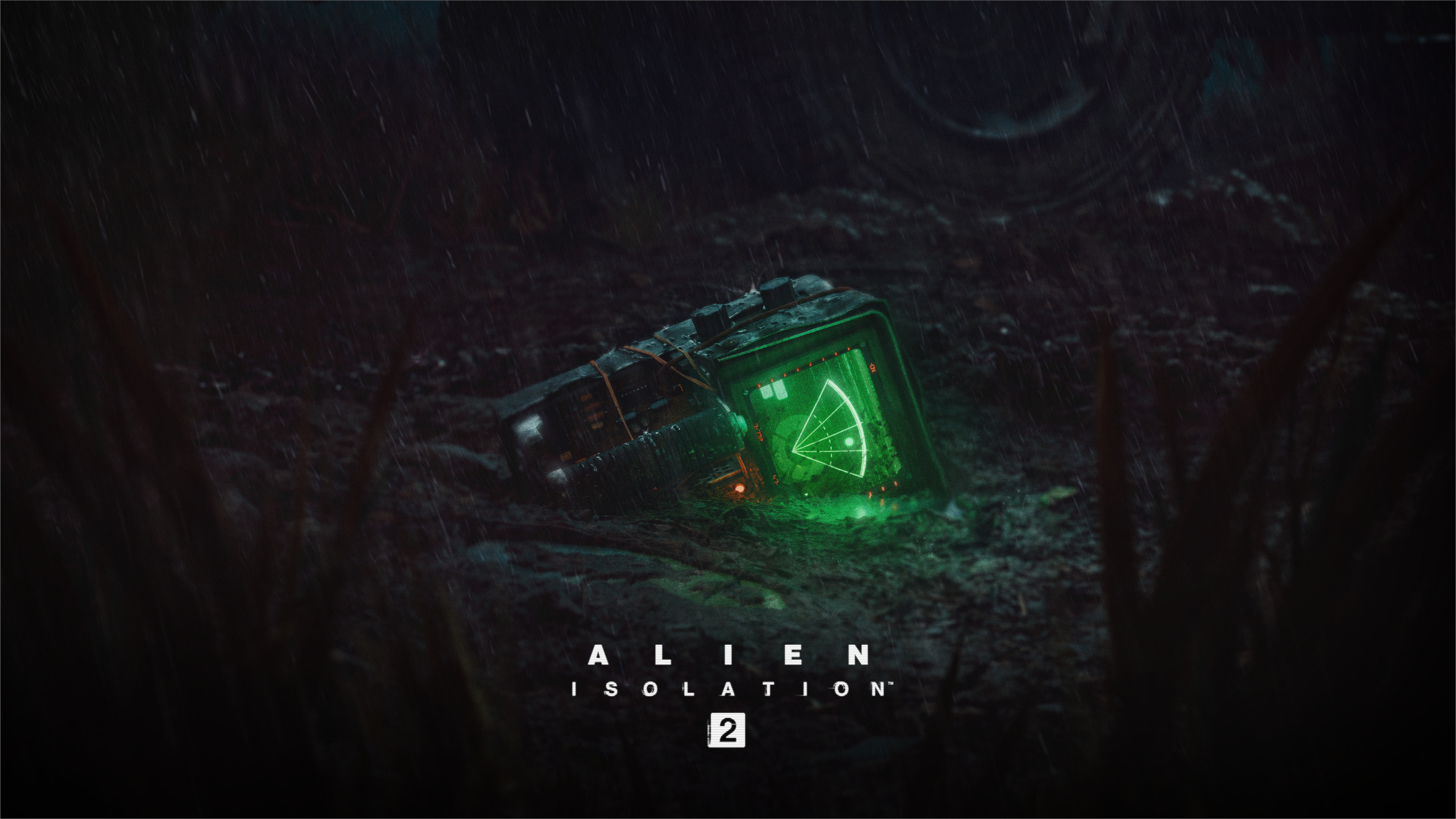
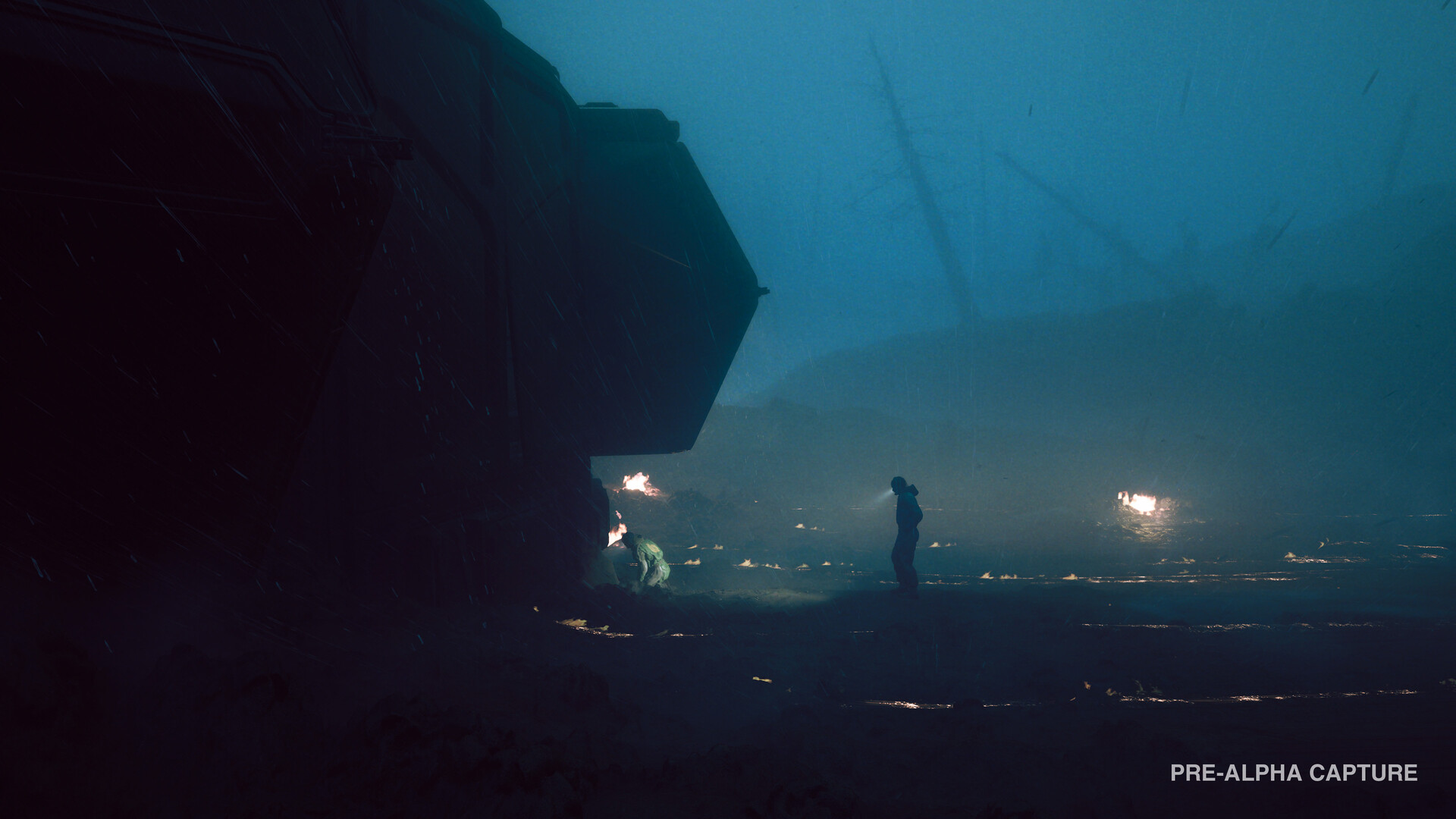
The demo begins on an unnamed colony planet undergoing a massive terraforming initiative. Visually, the contrast is stark; where the first game relied on the metallic, industrial decay of a space station, the sequel introduces organic, planetary environments—trees, vegetation, and vast, open landscapes. However, the atmosphere is marred by volatile weather, creating a sense of isolation that feels both fresh and hauntingly familiar.
Supporting Data: Evolution of the Xenomorph
The cornerstone of Alien: Isolation was its groundbreaking AI. The Xenomorph did not follow a scripted path; it hunted based on sight, sound, and smell, reacting to the player’s behavior in real-time. In the sequel, Creative Assembly is pushing this dynamic system further.
During the Gamescom demo, the most striking observation was the creature’s unpredictability. Unlike the 2014 original, where players could learn the creature’s patterns over time, the new AI is more aggressive and investigative. If a player spends too much time hiding in a vent—a tactic that was often a "safe" bet in the first game—the Xenomorph now proactively searches every corner of the environment, making prolonged silence a liability rather than a strategy.
Furthermore, the environment itself acts as a secondary antagonist. The severe weather conditions, which initially appear as a graphical showcase of the next-gen engine, are confirmed to be integral to the gameplay. The wind and rain impact visibility and, presumably, the soundscape, forcing players to account for environmental noise that might mask their own movements or, conversely, cover the sound of the alien’s approach.

Official Responses and Creative Direction
In an exclusive interview with Creative Director Al Hope, the studio emphasized a philosophy of vulnerability. Hope noted that the goal for the sequel was to ensure the player feels "exposed, vulnerable, and very isolated."
Creative Assembly’s decision to move the action to a terrestrial setting was a deliberate choice to force players out of the "corridor-shooter" comfort zone. By providing more open spaces and dynamic weather, the developers are challenging the player to adapt their survival instincts. When asked about the decision to show the Xenomorph early, the studio explained that hiding the creature for hours would be a disservice to the modern player. "We want to establish the threat immediately," Hope stated. By putting the monster on display in the opening act, the game sets a high stakes environment where the player knows exactly what they are dealing with—and why they should be terrified.
Implications: The New Standard for Survival Horror
The implications of Alien: Isolation 2 are massive for the survival horror genre. We are currently living in a golden age of horror, heavily influenced by the Resident Evil remakes and the atmospheric tension pioneered by the original Isolation.
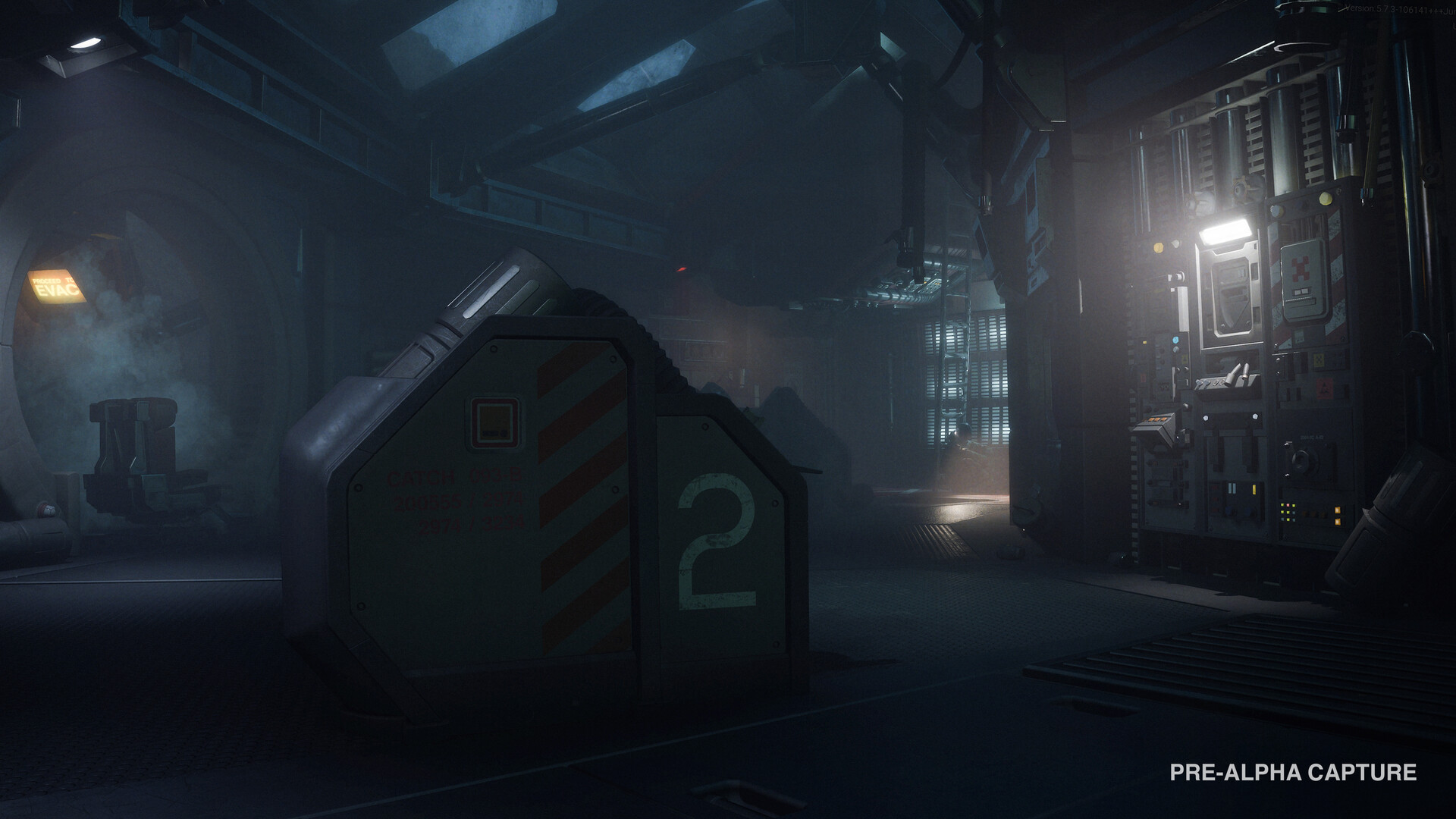
If Creative Assembly can successfully marry the "cat-and-mouse" gameplay of the original with more modern, responsive mechanics, they will likely create a new benchmark for the industry. The game represents a "full circle" moment; the developers are returning to the project that defined their careers, armed with a decade of technological advancements in lighting, audio engineering, and AI behavior.
There is also the narrative implication of the new cast. By introducing Blake, Cole, and Otto, the game moves away from the "Ripley family" legacy, allowing for a more grounded, blue-collar perspective on the horror. These characters feel like workers caught in a corporate nightmare rather than heroes fighting a grand crusade. This shift toward "everyman" horror is a hallmark of the best Alien stories and suggests that the sequel will maintain the franchise’s roots in dread and desperation.
Conclusion: Waiting for the Storm
As the development cycle for Alien: Isolation 2 continues, the expectations could not be higher. The demo provided a tantalizing glimpse into a world that is visually stunning, sonically oppressive, and mechanically challenging. By refusing to rely solely on the nostalgia of the 2014 classic and instead pushing for a more unpredictable, hostile, and expansive experience, Creative Assembly is positioning this title to be more than just a sequel. It is shaping up to be a definitive horror experience for a new generation of hardware.
While we await further details regarding the release window and the deeper mechanics of the colony planet, one thing is certain: the Xenomorph has returned, and it is more intelligent, more dangerous, and more persistent than ever before. Whether you are a veteran of the Sevastopol or a newcomer to the halls of Weyland-Yutani, the message is clear: keep your motion tracker close, your flares ready, and above all, do not stop moving. The void is watching, and it is hungry.