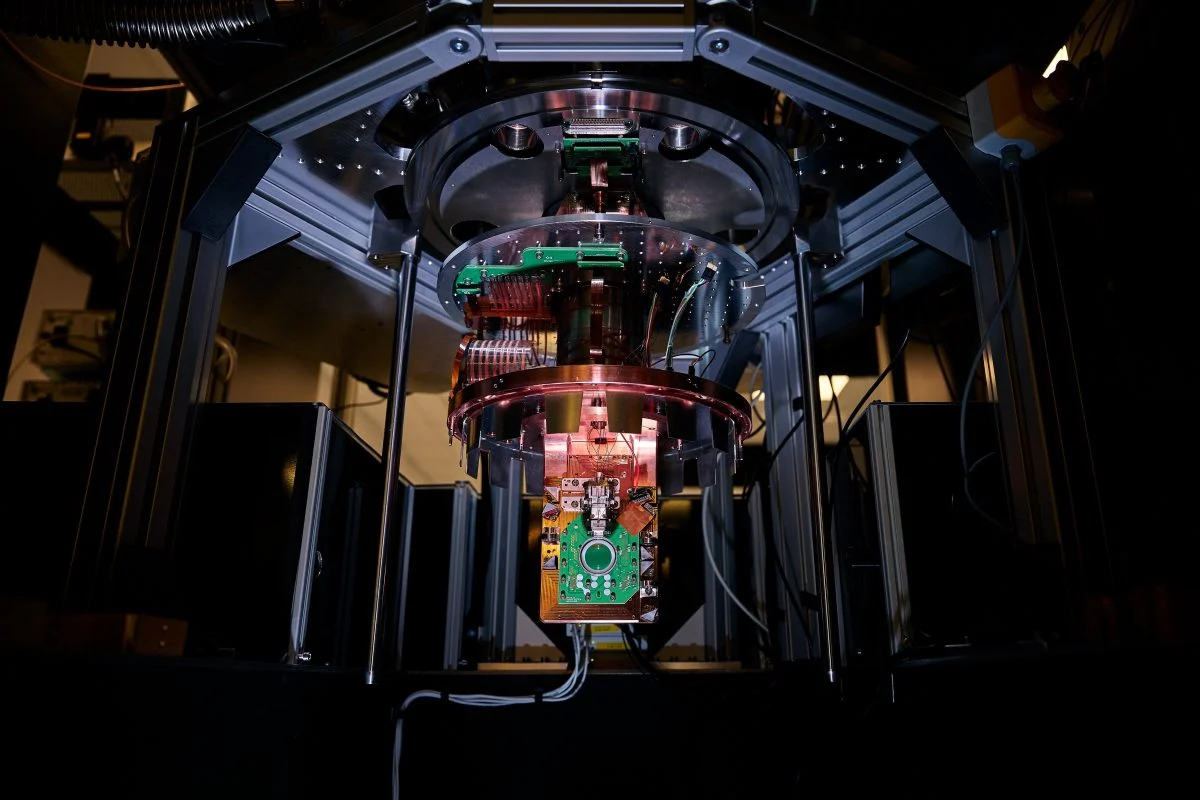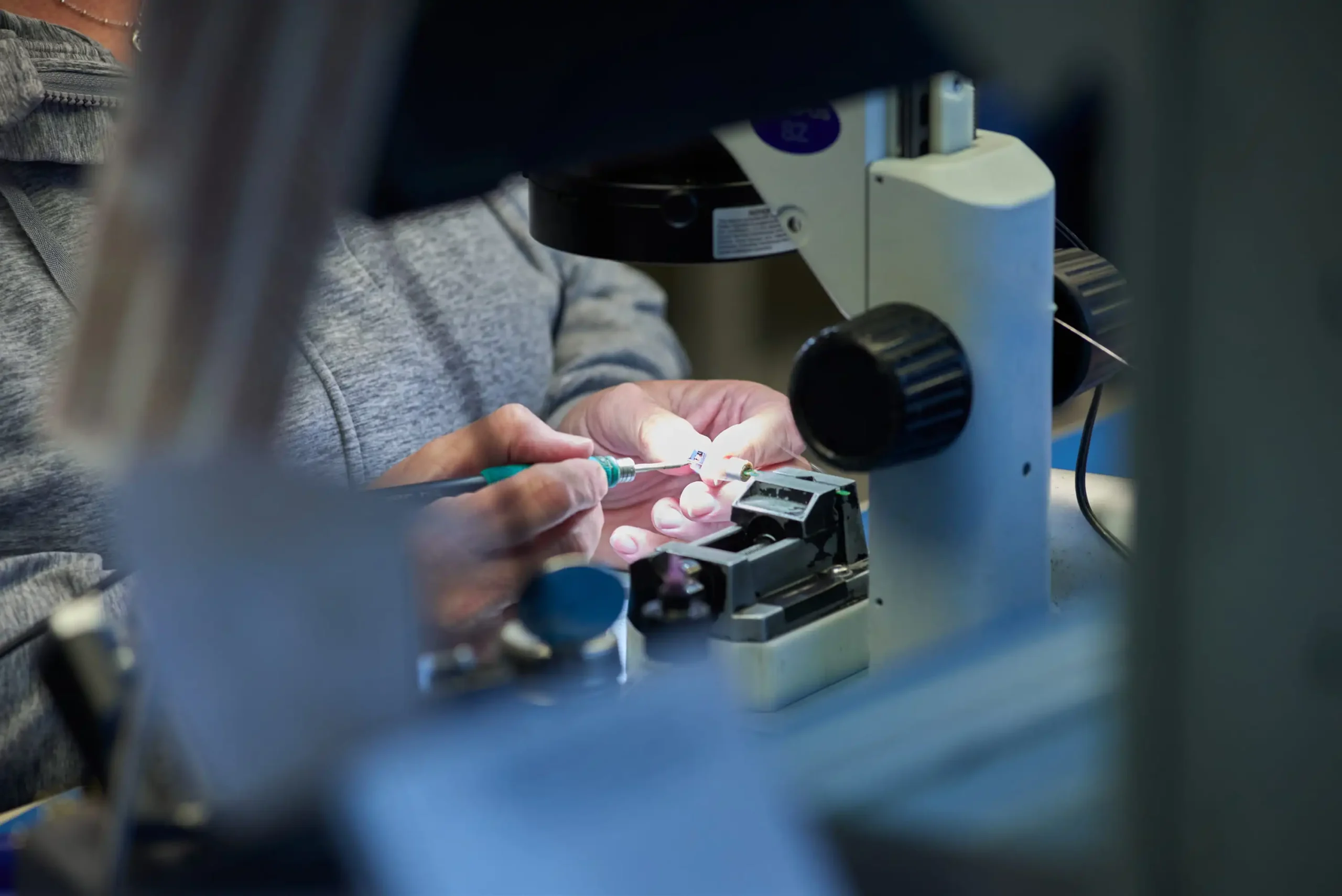
Nova Scotia is unlikely to become the next Silicon Valley or a global hub for high-volume semiconductor wafer fabrication. The province lacks the multi-billion-dollar cleanroom infrastructure and the massive domestic consumer-electronics market that typically define global chipmaking centers. However, industry leaders and regional planners have arrived at a vital realization: Nova Scotia’s true economic opportunity lies not in making the chip, but in mastering the system.
The province is quietly carving out a high-value niche in the assembly of complex, integrated microelectronic systems—the "brains" of ocean technology, defense, healthcare, and renewable energy. By focusing on how sensing, processing, communications, power management, and AI packaging converge, Nova Scotia is positioning itself as an essential partner in solving the world’s most intractable engineering problems in remote, power-constrained, and unforgiving environments.
The Shift Toward Integrated Systems
Jean-François Bousquet, program director of Dalhousie University’s Microelectronics Innovation Design Hub (MINDI Hub), argues that the focus on “semiconductors” is often a misnomer that obscures the real value proposition.
“Semiconductors will scare people away if we talk about them in the traditional sense, but if we talk about the integration of microelectronic systems, I think there’s a strong capability of integrating into various domains, especially in ocean tech,” Bousquet said in an interview.

For Nova Scotia, the strategy is about building highly integrated, reliable systems that can function where humans cannot. This is an "edge computing" story where the edge is not a server rack in a climate-controlled room, but a drone operating beneath Arctic ice, a sensor array on the floor of the Atlantic, or a wearable medical device. The province’s expertise is in the "stack"—the delicate balancing act of combining FPGA-based processing, AI acceleration, MEMS (micro-electromechanical systems), and photonics into a ruggedized, low-power footprint.
A Chronology of a Regional Ecosystem
The development of Nova Scotia’s microelectronics sector has been a gradual, deliberate process rooted in the province’s unique industrial geography.
- The Foundation (2000s–2015): The region established itself as a center for defense and ocean research. The presence of the Royal Canadian Navy, naval defense primes, and specialized ocean-tech firms necessitated local expertise in sonar, signal processing, and marine communications.
- The Rise of COVE (2018): The establishment of the Centre for Ocean Ventures & Entrepreneurship (COVE) provided the physical and intellectual infrastructure to bring together startups, researchers, and global marine companies, creating a "living lab" environment.
- The Launch of MINDI Hub (Recent): Recognizing that ocean tech needed more sophisticated electronics, the provincial government backed the MINDI Hub at Dalhousie University. This marked a shift from mere academic research to an industry-focused incubator, designed to bridge the gap between engineering theory and market-ready prototypes.
- The Maturity Phase (Present): Companies like Innovasea have moved beyond R&D into global export markets, demonstrating that Nova Scotian systems can survive the most demanding environments on Earth. The province is now pivoting toward "dual-use" applications, where technologies developed for fisheries and environmental monitoring are adapted for national defense and sovereign security.
Supporting Data: The Case for Edge Reliability
The technical demands of operating in the Atlantic or Arctic serve as the ultimate proving ground for Nova Scotia’s engineering talent. Consider the requirements for an autonomous underwater vehicle (AUV) meant to traverse the Arctic:
- Power Constraints: Every joule must be conserved. The system must utilize ultra-low-power microcontrollers while maintaining high-performance processing capabilities.
- Environmental Ruggedness: The hardware must be encapsulated in a waterproof, pressure-resistant, and thermally stable housing that minimizes size without compromising sensor integrity.
- Local Intelligence: Because bandwidth in the deep ocean is nearly non-existent, the vehicle cannot rely on cloud-based AI. It must perform onboard edge-AI to classify events, navigate obstacles, and make autonomous decisions in real-time.
- Integration Complexity: The system must unify MEMS-based sensing, specialized acoustic communication modules, and onboard navigation, all while maintaining a low failure rate in a remote, inaccessible environment.
These requirements represent the core of the Nova Scotian expertise: the ability to integrate heterogeneous components into a single, cohesive, and resilient system.

Case Study: Innovasea and the Power of Internal Innovation
Innovasea, based in Bedford, Nova Scotia, provides a tangible example of this thesis in action. The company manufactures acoustic telemetry systems—small tags and receiver arrays used to track fish populations globally.
Jean Quirion, VP of R&D for fish tracking at Innovasea, emphasizes that while newer, more efficient microcontrollers provide a baseline for improvement, the company’s real competitive edge is the "internal trickery" used to optimize power consumption. By developing proprietary firmware and system-level architectures that force hardware to behave more efficiently than its datasheet suggests, Innovasea has set a global standard for longevity and reliability.
This success is intrinsically linked to the regional ecosystem. Innovasea leverages Dalhousie University not just for hiring, but as an R&D partner for high-risk, long-horizon projects that typical commercial entities might find too volatile. This symbiosis between academia and industry is the heartbeat of Nova Scotia’s technological momentum.
Official Responses and Strategic Vision
Chris Morrissey, CEO of Invest Nova Scotia, views the microelectronics sector as a "horizontal enabler" for the province’s six priority sectors: energy, defense, natural resources, AI, and the digital economy.

“The advantage that Nova Scotia has is the research and development expertise that we have here, both in the public and private sectors,” Morrissey noted. He highlights that the province is home to four to six major defense prime contractors and over 100 defense-linked companies. This concentration creates a stable demand for R&D that isn’t dependent on the fluctuating cycles of consumer electronics.
The government’s stance is one of collaborative regionalism. Instead of attempting to replicate the monolithic semiconductor strategies of Taiwan or the United States, Nova Scotia is looking for "complementary lanes." By aligning its strengths with Newfoundland and Labrador’s marine simulation capabilities, and by tapping into Quebec’s expertise in quantum sensing and specialized electronics, the province is participating in a "Canadian tapestry" of innovation.
Implications: The Future of "Dual-Use" Tech
The implications of this strategy are significant for both the economy and national security. The concept of "dual-use" technology is now the cornerstone of the provincial strategy.
A sensor array designed to monitor salmon migration patterns for a commercial fishery is fundamentally the same technology required for underwater sonar surveillance. A drone capable of tracking wildfires can be repurposed for border security. By fostering a culture where engineers build for these shared technical challenges, Nova Scotia is creating a resilient economic base that can pivot between commercial growth and defense procurement.

Furthermore, by avoiding the "fab" trap—the massive capital expenditure required to build semiconductor manufacturing facilities—Nova Scotia avoids the inherent risks of the global chip cycle. Instead, it positions itself as the "systems integrator" of choice. In a world where AI and sensing are becoming ubiquitous, the ability to build the system—not just the chip—is increasingly the most valuable skill in the global tech hierarchy.
Conclusion
Nova Scotia has opted for a path of pragmatic, systems-level innovation. By leaning into its natural geographic advantages—the Atlantic, the Arctic, and its existing concentration of defense and marine research—the province is building an ecosystem that is uniquely resilient.
As Bousquet puts it, Nova Scotia does not need to become a mini-Silicon Valley to have a massive impact. It simply needs to continue building technologies that solve the problems in front of it, connecting its local expertise to global supply chains. In doing so, the province is proving that while the "next great fab" may be elsewhere, the future of complex, integrated microelectronics is being written in the labs and companies of Atlantic Canada.