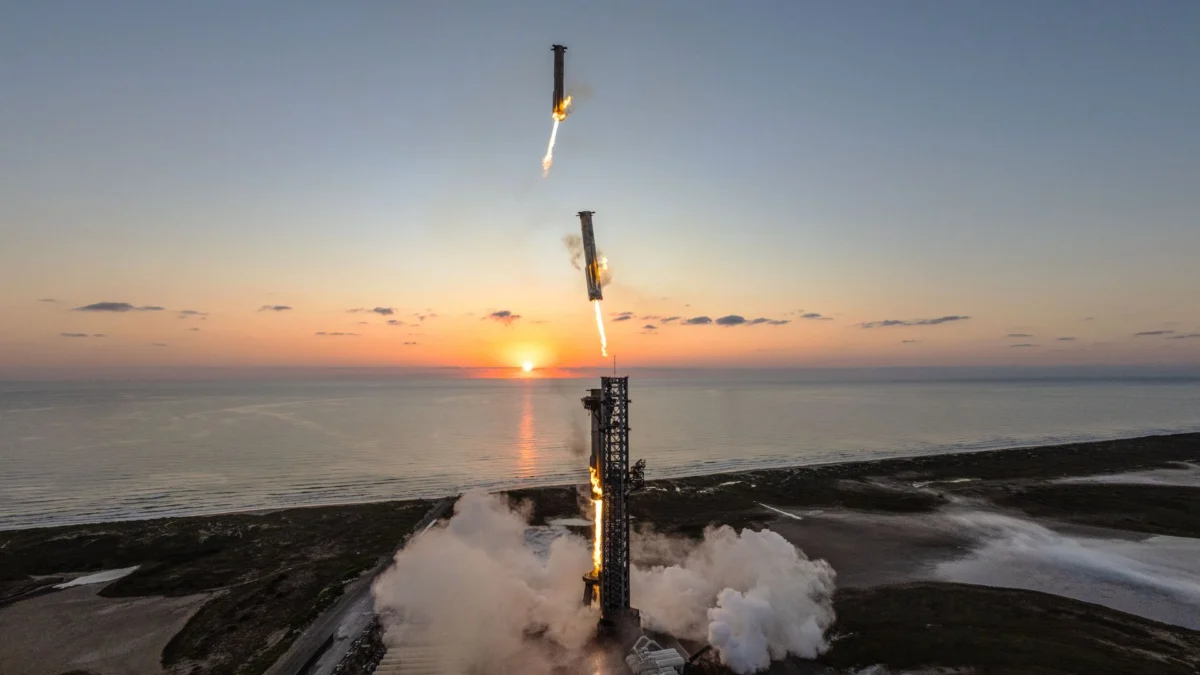
CAPE CANAVERAL, Fla. — The atmosphere inside the NASA press briefing room on August 30, 2026, was one of unbridled professional euphoria. Moments after the successful launch of the Nancy Grace Roman Space Telescope—a mission poised to revolutionize our understanding of dark energy, exoplanets, and the infrared universe—the room was filled with the hum of journalists and mission scientists celebrating a milestone years in the making.
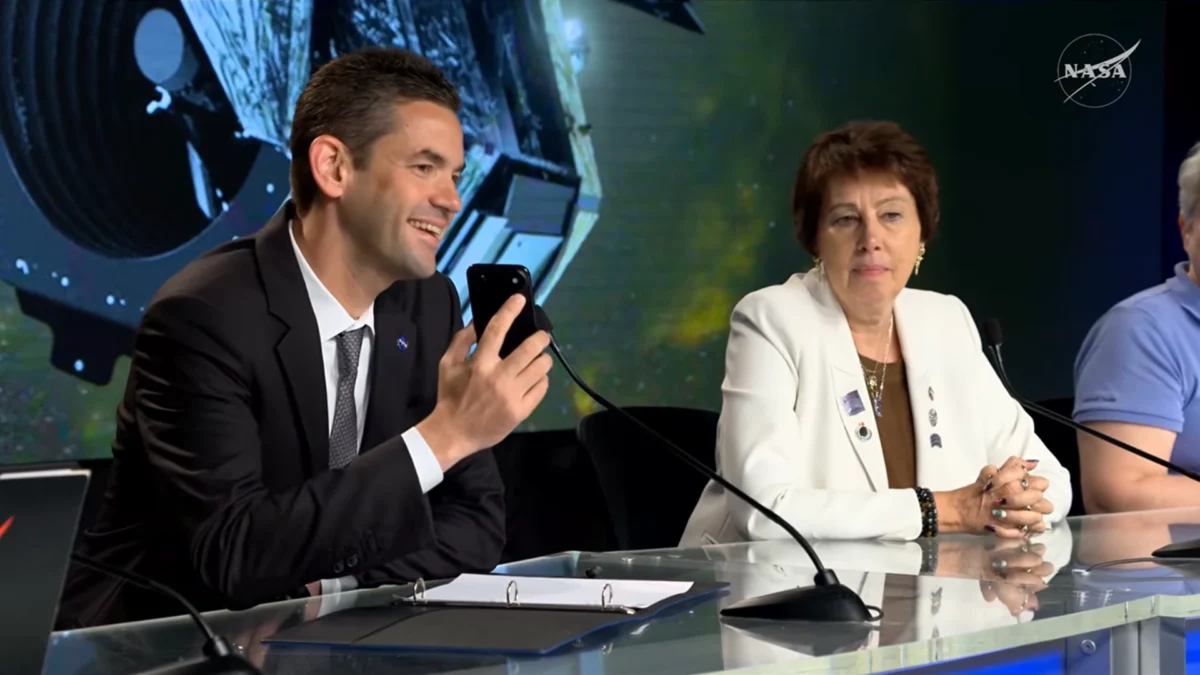
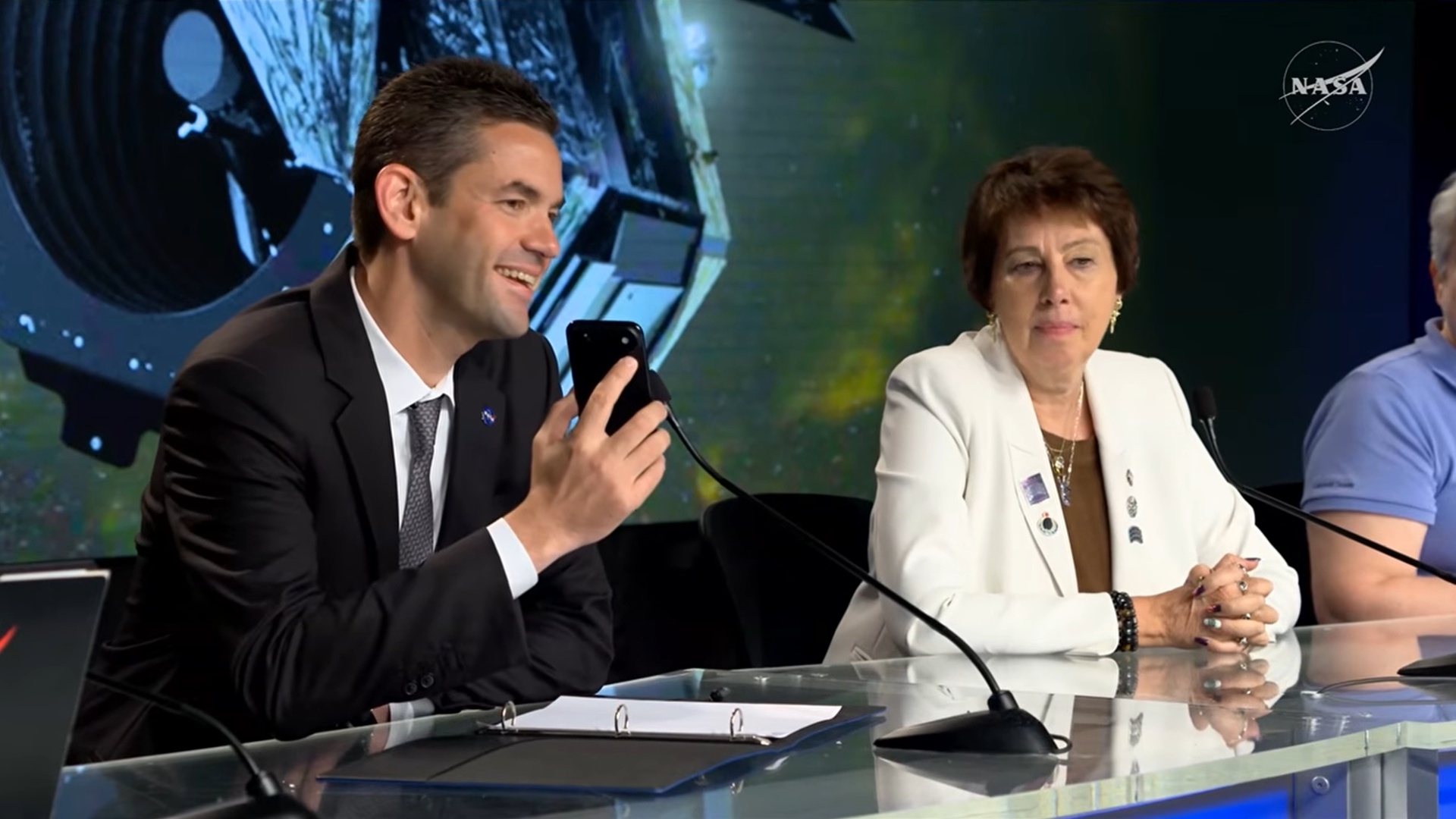
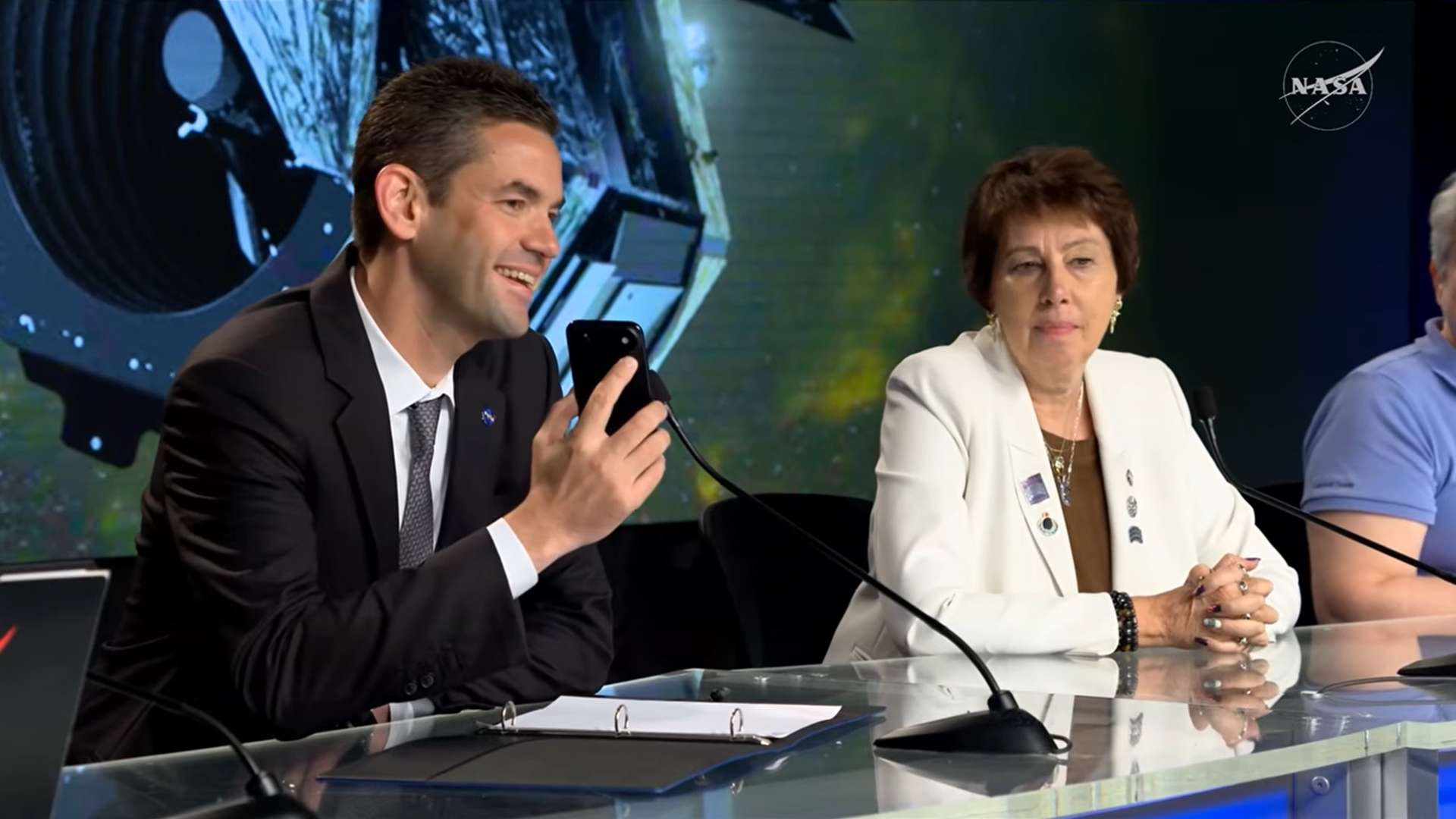
However, the celebratory mood took a surreal turn when NASA Administrator Jared Isaacman was interrupted by an unexpected, high-profile incoming call. It was President Donald Trump, calling directly to offer his congratulations on the successful deployment of the observatory. The interruption served as a jarring reminder of the turbulent, often adversarial, relationship between the White House and the very mission it was now hailing as a national triumph.
The Call: A Study in Political Contrast
The scene was, by all accounts, highly unusual. As the mission team was deep into the technical specifics of the SpaceX Falcon Heavy launch, the room fell into a tense, expectant silence. Attendees overheard Nicky Fox, NASA’s Associate Administrator for the Science Mission Directorate, remark, "He’s not kidding," as Isaacman stepped away to field the urgent request from the Oval Office.
Returning to the microphone, Isaacman addressed the room: "The president of the United States would like to address and congratulate everyone on this mission. You’re live, Mr. President."
What followed was a one-sided, minute-long address broadcast over the room’s audio system. "I just want to thank everybody and congratulate you," Trump said, his voice crackling through the speakers. "Boy, it looked beautiful on television… You are doing a fantastic job, and I’m supplying you all that money."
The tone was celebratory, though the President quickly pivoted to a familiar narrative regarding his personal impact on the agency. He reminisced about a 2016 visit to Kennedy Space Center (KSC), characterizing the facility at the time as having "grass growing through the cracks in the runways." He claimed that the site was "literally closed" before his administration took the helm, framing the current state of American space exploration as a direct result of his leadership.
Fact-checkers and long-time observers of the space program were quick to note the discrepancy: KSC’s closure in 2016 was not a symptom of neglect, but a standard, two-day safety procedure necessitated by the approach of Hurricane Matthew.
A History of Hostility: The Roman Mission’s Rocky Road
To those familiar with the fiscal history of the Nancy Grace Roman Space Telescope—formerly known as the Wide Field Infrared Survey Telescope (WFIRST)—the President’s congratulatory call felt profoundly paradoxical. The mission has spent the better part of a decade existing in a state of political precarity.
Between 2019 and 2021, the Trump administration repeatedly targeted the telescope for elimination. In three consecutive budget cycles, the White House proposed zeroing out funding for the project, arguing that the mission was an unnecessary expense when weighed against other priorities. Each time, those proposals were met with staunch resistance from Congress, which ultimately intervened to preserve the mission’s funding and keep it on track.
The tension reached a boiling point in April 2025, when leaked "passback" budget documents revealed that the administration was considering a staggering 50% cut to NASA’s total science budget. Analysis by policy experts at the time suggested that such a draconian reduction would have effectively signaled the end of the Roman mission, as it would have forced the agency to prioritize existing operational assets over the development of new, high-cost observatories.
Yet, once again, the legislative branch stepped in. In a definitive rejection of the proposed cuts, Congress approved a $24.4 billion budget for NASA for fiscal year 2026. This move maintained the agency’s funding levels, ensuring that the Roman mission could reach the launchpad.
The Press Corps’ Skepticism
The disconnect between the President’s vocal support on the phone and his administration’s documented history of opposition was not lost on the media. Following the call, the atmosphere in the room shifted from celebratory to investigative.
Jeff Foust, a veteran reporter for SpaceNews, directed a pointed question at Administrator Isaacman: "It’s great to hear the president call in and show us excitement about the Roman launch. I know the administration in past years, in its first term, proposed zeroing out Roman and also proposed a serious cut in Roman’s budget just last year. What did you tell the administration, and the president, to change his mind and make him so excited about a mission that he once proposed to cancel?"
Isaacman’s response was a masterclass in bureaucratic deflection. He declined to delve into the history of the budget battles, opting instead to pivot toward the present. "I’m incredibly grateful for his support, the space policy, the resources," Isaacman responded, his tone carefully measured. "Sounds like from that call, maybe even more resources, which is also a great thing for more missions of science and discovery."
Implications for Future Exploration
The incident highlights a recurring theme in American space policy: the tension between long-term scientific planning and short-term political cycles. Large-scale space missions like the Roman telescope take decades to plan, build, and launch. When these projects become political footballs—repeatedly threatened with cancellation—the resulting uncertainty creates significant inefficiencies. Engineers, scientists, and contractors are often left in limbo, unsure if the project will survive until the next fiscal year.
By claiming "ownership" of the Roman mission’s success after years of attempting to terminate it, the administration has reopened the debate regarding the stability of NASA’s funding. Critics argue that a mission’s survival should not rely on the intervention of Congress to save it from the Executive Branch’s own budgetary proposals.
However, supporters of the current administration’s approach argue that the competitive nature of the budget process forces NASA to be more efficient. They contend that by challenging every mission, the administration ensures that only the most viable and scientifically valuable projects survive.
Conclusion: A Triumph of Science Over Politics
Regardless of the political maneuvering surrounding its birth, the Nancy Grace Roman Space Telescope is now in orbit. Its mission is to map the universe, study the expansion of space, and search for the fingerprints of dark energy. It is a tool of discovery that transcends the electoral cycles of Washington.
As the mission team moves into the commissioning phase, the focus will shift from budget spreadsheets to the stunning images and data that Roman will soon transmit back to Earth. While the President’s phone call provided a moment of theater for the cameras, the true legacy of the mission will be written in the journals of astrophysics and the textbooks of the future.
For now, the scientific community can breathe a sigh of relief. The telescope is safe, the mission is live, and the promise of discovery has survived the political gauntlet. Whether the administration’s newfound enthusiasm for the project translates into long-term, stable support remains to be seen, but for one day in Cape Canaveral, the science took center stage—even if it had to share the spotlight with the complexities of D.C. politics.