For decades, the silent night sky has served as a canvas for our collective anxieties, hopes, and existential curiosities. Whether one is a steadfast skeptic demanding empirical data or a "believer" convinced that we are being visited by advanced non-human intelligence, the subject of Unidentified Anomalous Phenomena (UAP)—formerly known as UFOs—has transcended mere tabloid fodder to become a legitimate, albeit contentious, subject of modern discourse.
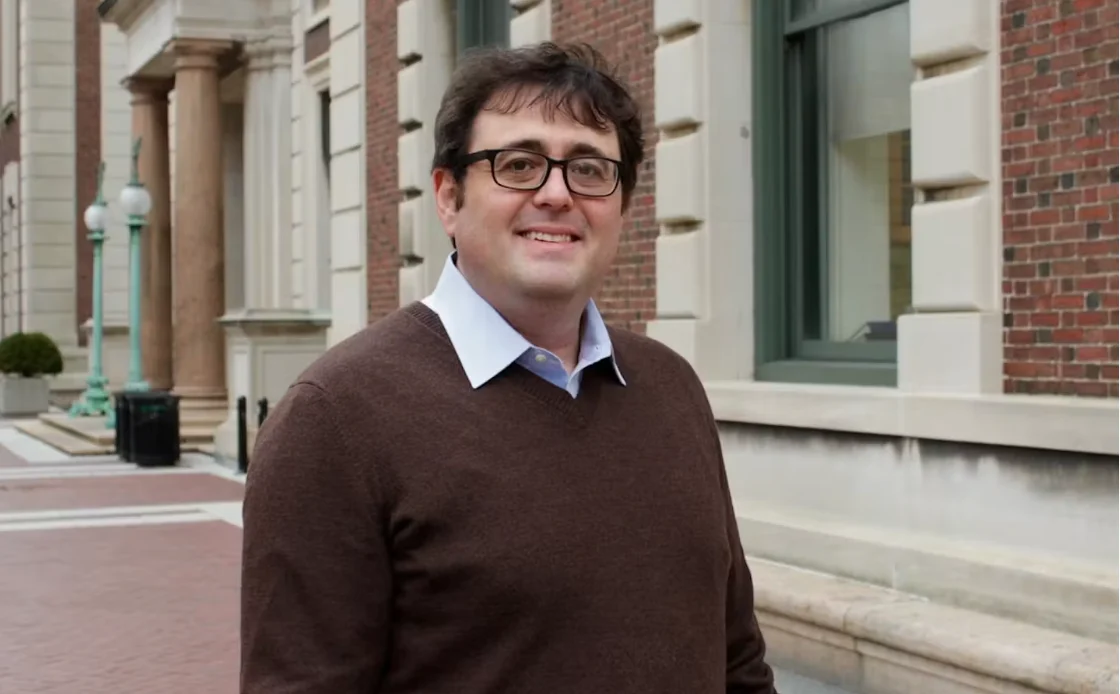
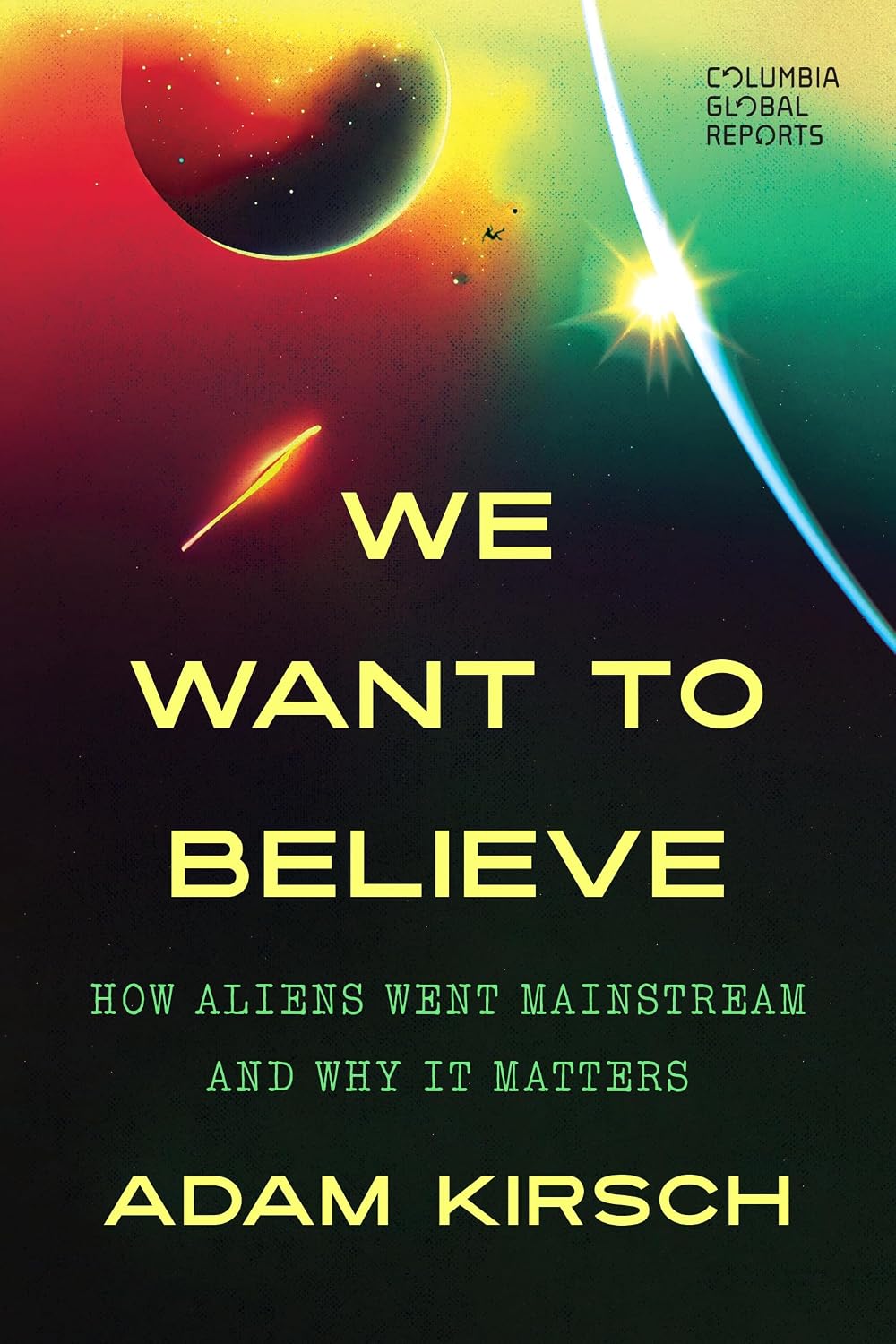
In his forthcoming book, We Want To Believe: How Aliens Went Mainstream And Why It Matters (Columbia Global Reports, August 25, 2026), acclaimed literary critic and The Atlantic senior editor Adam Kirsch examines this enduring obsession. Kirsch argues that our fascination with UAPs is not merely about aerodynamics or national security; it is a profound reflection of the human psyche, mirroring the search for meaning traditionally reserved for religion and philosophy.
The Evolution of a Cultural Phenomenon: A Chronology
The trajectory of the UAP phenomenon has shifted dramatically over the last century. While "flying saucers" were initially dismissed as the products of post-war hysteria and science fiction cinema, the narrative underwent a seismic shift in 2017.
- 1947: The Birth of the Modern Myth. Kenneth Arnold’s sighting near Mount Rainier and the subsequent Roswell incident cemented the "flying saucer" in the American consciousness, turning extraterrestrial speculation into a permanent fixture of popular culture.
- 1950s–1990s: The Fringe Era. During this period, UAP sightings were largely relegated to the fringes of society. Projects like the U.S. Air Force’s "Project Blue Book" were established to investigate reports, yet the stigma surrounding the topic prevented serious academic or mainstream journalistic engagement.
- 2017: The Pentagon Pivot. The release of declassified UAP videos by the Pentagon, accompanied by reports of a secret government program (the Advanced Aerospace Threat Identification Program, or AATIP), legitimized the conversation. For the first time, mainstream media outlets began reporting on these sightings not as "tin-foil hat" stories, but as matters of national defense and technological mystery.
- 2021–Present: Legislative Scrutiny. The establishment of the All-domain Anomaly Resolution Office (AARO) and high-profile Congressional hearings featuring whistleblowers like David Fravor and Ryan Graves have moved the debate into the hallowed halls of government, forcing a public reckoning with the limitations of our current surveillance capabilities.
The Philosophical Weight of the Unknown
Adam Kirsch notes that the 2017 disclosures were a pivotal moment for his own interest in the subject. "For me, humanity’s way into the subject is that UFOs are a way of thinking about a lot of the same questions we might also think about in religious or philosophical terms," Kirsch told Space in an interview. "Questions like what is unique about humanity, are we alone in the universe, are there other minds, what’s our destiny as a species?"
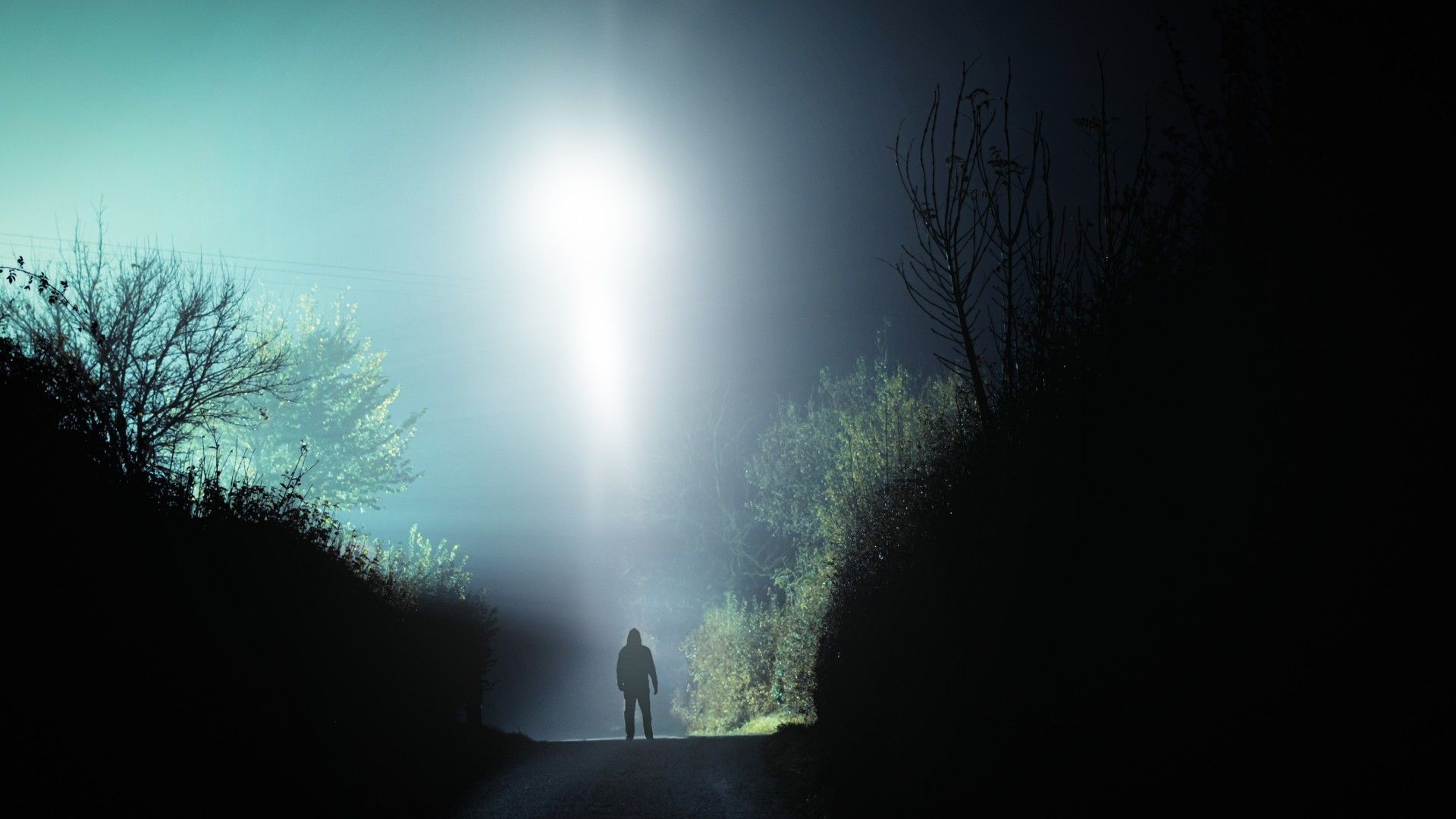
Kirsch argues that the UAP discourse often functions as a secular surrogate for faith. In an age where traditional religious participation is declining in many Western nations, the idea of an "other"—a superior intelligence capable of traversing the stars—fills a void. It provides a narrative of purpose and external validation that addresses the "are we alone?" question with a sense of cosmic urgency.
The Evidence Gap: Testimony vs. Scientific Reality
One of the most challenging aspects of the UAP debate is the recurring discrepancy between human perception and sensor data. Kirsch points to the testimony of credible military pilots, such as Fravor and Graves, who have described objects moving in ways that seem to defy known physics. However, he introduces a critical distinction: the difference between testimony and evidence.
"When the camera sees something, the person doesn’t see it. And when the person sees something, the camera doesn’t see it," Kirsch explains. "It’s always one or the other, it’s never both at the same time. Even as long ago as the 1950s, people were saying that UFOs for some reason are not photogenic."
From a scientific standpoint, this "non-photogenic" quality is telling. Kirsch suggests that if these objects were solid, physical craft operating within our atmosphere, the laws of optics and digital imaging would surely capture them with clarity. The lack of clear, high-resolution imagery—despite the ubiquity of modern smartphones and advanced military optics—leads to a logical conclusion: either the objects are transient phenomena, or they are not physical in the way we traditionally understand.
Applying the Humean Test
To navigate the murky waters of UAP reports, Kirsch invokes the 18th-century philosopher David Hume. Hume’s standard for evaluating miracles—that it is always more likely that a human witness is mistaken than that the laws of nature have been suspended—remains the gold standard for scientific inquiry.
"You don’t have to prove that a miracle didn’t happen; all you have to do is prove that it’s more likely that someone was wrong than that the laws of nature were suspended," Kirsch notes. Applying this to UAPs, he argues that the probability of a sophisticated extraterrestrial spacecraft visiting Earth is infinitesimally smaller than the probability of human error, misinterpretation, or technological sensor glitching.
Modern scientific education, Kirsch contends, is the process of learning to distrust one’s own instincts. We are hardwired to see patterns and agency in the unknown, a survival trait from our evolutionary past. When we see a "ball of light" or an "uneven, misshapen craft," our brains immediately seek a narrative explanation. Science, conversely, demands that we suspend that instinct and seek the most parsimonious explanation—often pointing toward atmospheric illusions, drone technology, or sensory confusion.
Official Responses and the Institutional Stance
The U.S. government’s stance on UAPs has shifted from total dismissal to cautious management. The creation of AARO was an attempt to centralize data and provide a "scientific" framework for analyzing sightings. However, this has not quelled the public’s desire for the "truth."
Government officials, such as former Deputy Director of Naval Intelligence Scott Bray, have consistently urged for a data-driven approach. During the 2022 House Intelligence Committee hearings, the message was clear: while many phenomena remain "unidentified," the lack of data makes it impossible to classify them as extraterrestrial. The burden of proof remains high, and to date, no classified or declassified document has provided the "smoking gun" that many hope for.
The Implications of the "Great Unknown"
So, if the evidence is perpetually thin and the logical explanations usually point to mundane sources, why does the hysteria persist?
The answer, Kirsch suggests, lies in the human desire for a "cosmic secret." We want there to be something more. The prospect that we are alone in the universe is a terrifyingly quiet thought; the prospect that we are being watched, studied, or visited is a far more engaging narrative.
"With these released UAP videos, we might not be getting the whole truth, but that doesn’t mean the whole truth is as interesting as I want it to be, and that there’s some cosmic secret," says Kirsch.
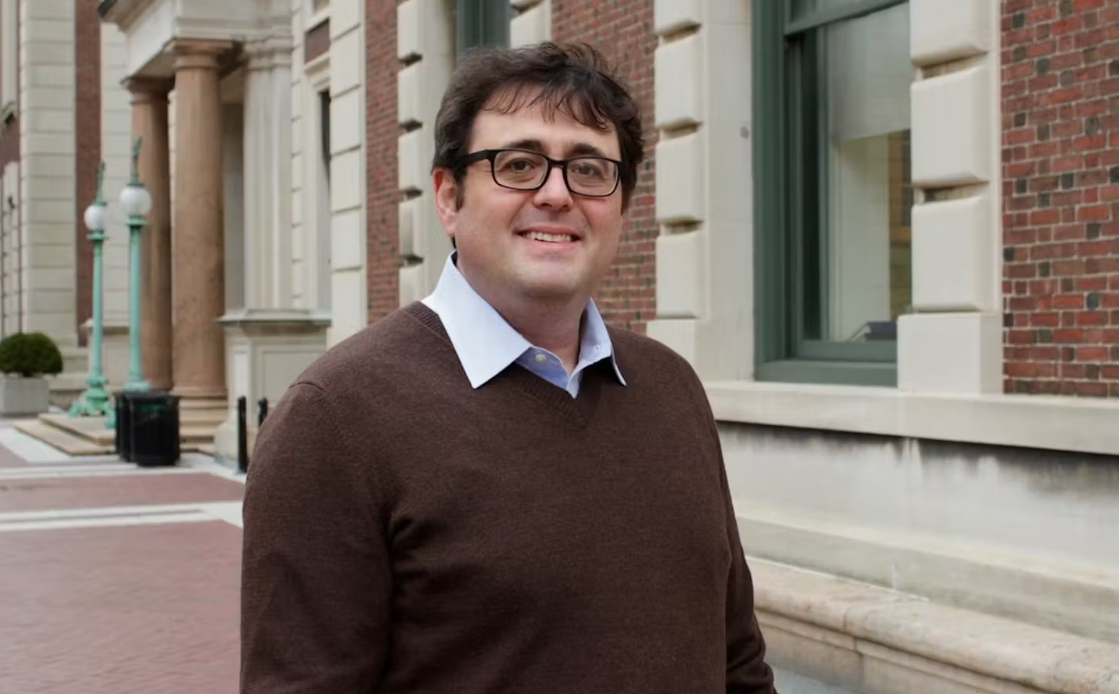
The implication of his work is that we should stop looking for the "alien" in the sky and start looking at the "human" on the ground. Our obsession with UAPs tells us more about our own technological anxieties, our need for spiritual connection, and our relationship with the unknown than it does about the objects themselves.
As we look toward the future, the UAP phenomenon will likely continue to evolve. Whether it manifests as a national security concern, a scientific curiosity, or a cultural touchstone, the "we want to believe" mentality is here to stay. It is a fundamental component of the human experience—a restless, perpetual gaze toward the stars, hoping that someone, or something, is looking back.
Adam Kirsch’s "We Want To Believe: How Aliens Went Mainstream And Why It Matters" will be available at major bookstores and online retailers on August 25, 2026.