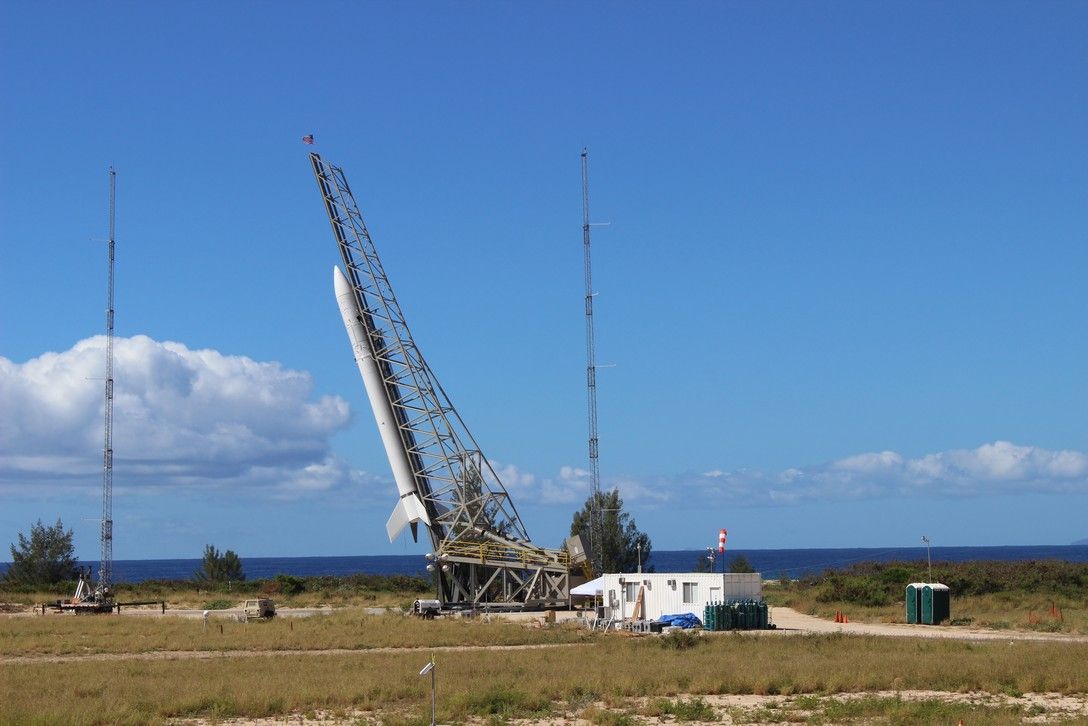
On November 4, 2015, the United States Air Force attempted to revolutionize the way the military accesses orbit. From the sun-drenched shores of the Pacific Missile Range Facility at Barking Sands, Kauai, Hawaii, a novel launch vehicle known as the "Super Strypi" sat poised on a unique rail-launch system. Designed to provide a low-cost, "on-demand" ticket to space, the rocket was the centerpiece of a high-stakes experiment. However, less than a minute into its maiden voyage, the mission turned into a fiery failure, marking a definitive end to an ambitious aerospace program.
The collapse of the Super Strypi mission was more than just a technical mishap; it was a watershed moment for the U.S. military’s approach to small-satellite deployment. While the mission resulted in the total loss of 13 satellites, the lessons learned from this disaster eventually paved the way for the modern, commercially-driven responsive space industry we see today.
The Mission: A Modern Vision for a Legacy Design
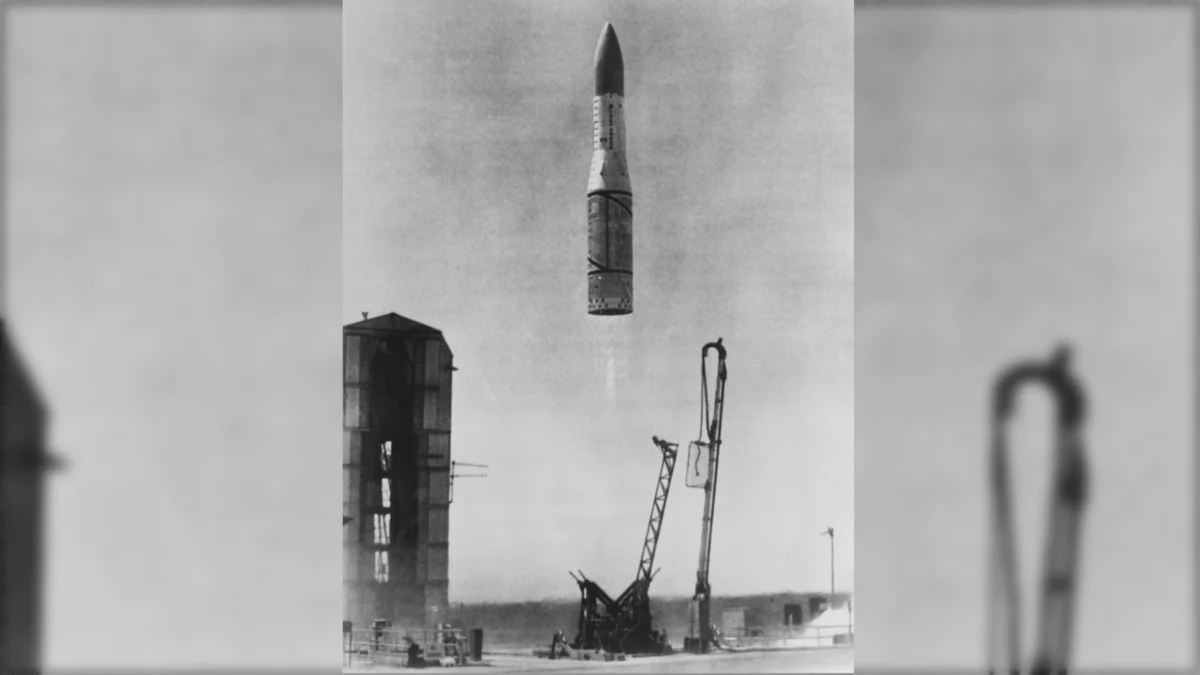
The Super Strypi program was, in many ways, an attempt to bridge the gap between Cold War-era reliability and 21st-century agility. The rocket was conceived as a high-performance evolution of the original Strypi sounding rocket—a reliable, three-stage workhorse that had been used since the 1960s primarily for suborbital ballistic testing and anti-missile target simulations.
The "Super" designation came from the rocket’s ambitious intent: to achieve orbital velocity, a feat the original Strypi was never designed to accomplish. Developed under the Operationally Responsive Space (ORS) office, the project sought to provide a quick-response launch capability that could deploy small satellites into orbit for approximately $15 million per mission. By using solid-fuel Aerojet Rocketdyne motors and a rail-launch mechanism, the Air Force hoped to eliminate the complex, time-consuming infrastructure typically associated with liquid-fueled orbital launches.
Chronology of a Failed Liftoff
The anticipation surrounding the November 4, 2015, launch was palpable. For months, the military had touted the rail-launched system as a potential game-changer for national security. As the rocket roared to life at 9:45 p.m. local time on the preceding evening, it initially appeared to function as intended. The rail-launch system successfully guided the vehicle off the pad, providing the necessary stability for the spin-stabilized rocket.
However, the triumph was short-lived. Seconds after clearing the launch rail, telemetry indicated that the rocket had begun to deviate from its projected flight path. It quickly entered an uncontrolled spin, rendering the flight termination system necessary as the vehicle disintegrated. The mission ended abruptly, scattering debris across the Pacific Ocean.
Preliminary investigations pointed toward a catastrophic failure in the first-stage motor. Because the Super Strypi was a spin-stabilized vehicle, any irregularity in the thrust vector of the primary motor—or a failure in the structural integrity of the motor casing—would immediately translate into an irrecoverable flight deviation. The dream of a low-cost, rail-launched satellite delivery system effectively died in the surf off the coast of Kauai.
The Lost Payload: A Diverse Scientific Offering
The failure of the Super Strypi was particularly devastating due to the specialized nature of its cargo. The mission was meant to carry 13 satellites, each representing months, if not years, of research and development.
The Primary Payload: ORS-4
The flagship of the mission was the ORS-4 (Operationally Responsive Space 4) satellite, also known as "HiakaSat." Developed by the University of Hawaii, this satellite was designed to serve as a technology demonstrator. Its primary objective was to capture hyperspectral imagery of the Earth and monitor environmental conditions over a one-year operational lifespan. Its loss was a significant blow to the university’s aerospace engineering department and the Air Force’s research goals.
The Secondary Payloads
The mission was a collaborative effort, carrying a variety of secondary payloads that aimed to prove the utility of small, inexpensive satellites:
- NASA’s Edison Demonstration of Smallsat Networks (EDSN): This mission consisted of eight cubesats designed to operate as a coordinated "swarm." The goal was to demonstrate that multiple small, low-cost satellites could act as a single, cohesive unit to provide better data than a single, larger, and more expensive satellite.
- Academic Satellites: An additional four cubesats were included from various university programs, representing the future of student-led space research.
The destruction of these 13 assets highlighted the fragility of "rideshare" missions. When the launch vehicle fails, the scientific community loses a disproportionate amount of diverse data, making the failure of the Super Strypi a major setback for the small-satellite research community.
Official Responses and The "Post-Strypi" Reality
In the aftermath of the disaster, the Air Force conducted a comprehensive review of the program. While the technical cause was identified as a failure in the solid rocket motor stage, the strategic fallout was even more profound. The program never received the necessary funding or interest to attempt a second launch.

The military’s reliance on internal, experimental, and custom-built launch vehicles was gradually replaced by a new philosophy: buying launch services from the private sector. The failure proved that the development of a launch vehicle is a specialized, high-risk endeavor that requires immense scale and iterative testing—factors that were difficult to maintain under the constraints of the Super Strypi project.
Implications: The Shift to Commercial Responsive Space
The failure of Super Strypi was not the end of the "Operationally Responsive Space" concept; rather, it served as a catalyst for the transition toward commercial partnerships. The military realized that if they wanted reliable, low-cost access to space, they should let private companies—who specialize in rapid-launch cadences—handle the logistics.
The Rise of the Commercial Sector
Today, the United States Space Force and other military branches have moved away from building their own rockets. Instead, they leverage the competitive market of commercial launch providers. This shift has yielded impressive results. In June of this year, for example, the Space Force partnered with Rocket Lab for the "Victus Haze" mission. In a testament to how far the industry has come, the rocket was launched with just 17 hours of notice—a record-shattering display of "responsive" space capability that far exceeded the original goals of the Super Strypi program.
Lessons Learned
The Super Strypi failure provided three critical lessons that define the modern aerospace industry:
- Vertical Integration isn’t always the answer: The military learned that it is more cost-effective to be a customer than a manufacturer.
- Iterative Testing is Mandatory: Modern commercial launch companies like SpaceX, Rocket Lab, and Firefly Aerospace utilize rapid-fire flight testing to identify and fix issues, a luxury the Super Strypi program lacked.
- Resilience through Diversity: The industry now favors high-cadence launch schedules rather than putting all "eggs in one basket" on a single experimental vehicle.
Conclusion
The Super Strypi project remains a poignant chapter in the history of American space exploration. It was a bridge between the traditional, state-run aerospace era and the new, vibrant, and competitive commercial space age. While the 2015 failure resulted in the loss of 13 promising satellites and the termination of a multi-million dollar program, the lessons extracted from that wreckage paved the way for the current era of ultra-responsive, commercialized space flight.
The U.S. military’s pivot from attempting to build their own "quick-response" rockets to contracting the job to private industry has created a more resilient and agile space architecture. Though the Super Strypi never reached orbit, it helped launch a new mindset that has ultimately secured the United States’ dominance in the orbital domain.