In a landmark move for Middle Eastern telecommunications sovereignty, ST Engineering iDirect has announced a strategic partnership to provide the ground network infrastructure for the MB Sat-1 microGEO satellite. The satellite, manufactured by Astranis for MBSat—a subsidiary of the Oman-based Mohammed Al Barwani (MB) Group—represents a pivotal shift in how regional actors are prioritizing secure, localized control over critical communications infrastructure.
By deploying its state-of-the-art "Intuition" software-defined ground segment solution, ST Engineering iDirect will facilitate a sophisticated operational environment across Oman and the wider Middle East. This project, which aligns with the broader push for digital autonomy in the region, is scheduled to hit a major milestone with the launch of the satellite on the Astranis Block 3 mission in 2027.
The Strategic Partnership: Connecting Sovereign Assets
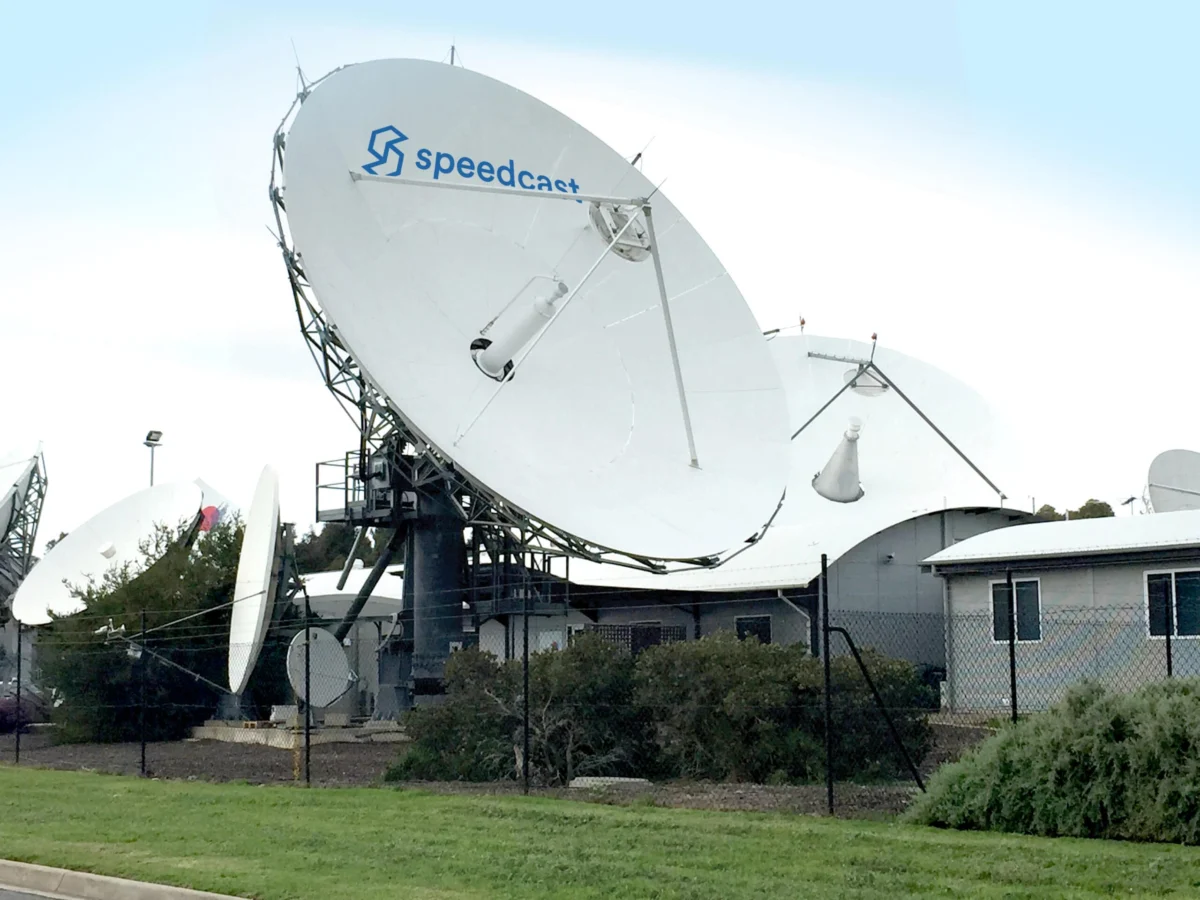
The agreement establishes a technical foundation for the MB Sat-1 project, utilizing a sophisticated combination of Ka-band gateway infrastructure and software-defined network management. The core of this deployment is ST Engineering iDirect’s Intuition platform, a technology specifically designed to handle the complexities of modern, high-throughput satellite constellations.
"We are providing MBSat with a flexible, software-defined ground platform that integrates with its existing operational environment," said Sridhar Kuppanna, CEO of ST Engineering iDirect. "This enables more efficient service deployment and operations today, with the flexibility to scale, introduce new capabilities, and evolve as requirements change."
For MBSat, the goal is not merely to lease capacity, but to own the entire value chain of their communication services. By leveraging Astranis’s MicroGEO platform—known for its ability to provide high-performance, dedicated capacity at a fraction of the cost and weight of traditional GEO satellites—and pairing it with iDirect’s ground segment, the MB Group is positioning itself to become a regional powerhouse in secure satellite connectivity.
A Chronology of the MB Sat-1 Initiative
The trajectory of the MB Sat-1 program has been defined by rapid development and a clear strategic vision.
- Early 2026: MB Group officially announces the procurement of a MicroGEO satellite from Astranis. This move marked the company’s entry into the space sector, signaling an intent to bypass traditional third-party satellite operators in favor of owning sovereign capacity.
- March 2026 (SATShow Week): During industry conferences, leadership from the MB Group provided deeper insights into their business model. They outlined a plan to use the satellite not only for internal corporate needs but to act as a broker for sovereign communications, offering secure, controlled bandwidth to other Middle Eastern government agencies and enterprises.
- Late 2026 (Current Phase): ST Engineering iDirect is formally brought on board to design the ground segment. This phase focuses on the integration of Ka-band gateway infrastructure and the implementation of dynamic resource allocation systems.
- 2027 (Future Milestone): The anticipated launch of the MB Sat-1 satellite via the Astranis Block 3 mission. Post-launch, the focus will shift to operational commissioning and the activation of the Intuition-managed network.
The Technology: Why Intuition Matters
The "Intuition" platform is more than just a gateway interface; it represents the industry’s shift toward virtualization. In a traditional satellite network, hardware is often static, requiring manual intervention to reroute traffic or adjust for capacity spikes. Intuition changes this paradigm.
Dynamic Resource Allocation
The software-defined nature of the Intuition platform allows for real-time traffic management. In the context of sovereign communication, where data security and latency are paramount, the ability to dynamically allocate bandwidth ensures that priority traffic—such as government encrypted streams—is never throttled, even during periods of peak demand.
Ka-Band Capabilities
Ka-band is the industry standard for high-throughput satellite (HTS) services. By integrating this into the ground segment, ST Engineering iDirect enables MBSat to deliver high-speed, low-latency broadband. This is critical for supporting the "sovereign communication" business model, which requires the capacity to support high-bandwidth applications, such as real-time video surveillance, secure remote operations, and high-speed data backhauling.
The Growing Demand for Sovereign Satellite Services
The decision by the MB Group to invest in its own satellite infrastructure is a symptom of a larger geopolitical trend. Across the Middle East, reliance on foreign-owned or international commercial satellite networks has become a point of concern for governments and large conglomerates.
Security and Geopolitical Independence
As regional conflict and political instability continue to influence the global landscape, the "sovereign" nature of communications has become a strategic necessity. By owning the satellite and controlling the ground segment via the iDirect Intuition platform, the MB Group can ensure that their communication data remains within their jurisdictional control. They are not merely customers; they are the operators of the infrastructure.
The Business Case
Beyond the security argument, there is a strong commercial incentive. By acting as a broker of sovereign communications, MBSat is positioning itself to fill a gap in the market. Many government agencies and large private entities in the region are currently forced to rely on fragmented, multi-vendor satellite solutions. MBSat offers a consolidated, secure, and regionally managed alternative. This "infrastructure-as-a-service" model allows them to monetize the satellite while helping other entities achieve their own digital sovereignty goals.
Implications for the Satellite Industry
The Rise of MicroGEO
The success of the MB Sat-1 program could serve as a blueprint for other medium-sized enterprises and national interests. Astranis’s MicroGEO technology has lowered the barrier to entry for space ownership. Historically, owning a satellite was a billion-dollar endeavor limited to national space agencies or global telecommunications giants. The MicroGEO model makes this accessible to private groups like the Mohammed Al Barwani Group, effectively democratizing space access.
The Software-Defined Future
The collaboration between ST Engineering iDirect and MBSat highlights that hardware is no longer the sole differentiator in satellite operations. Software-defined ground segments are now the primary driver of agility. As satellite constellations become more complex—often involving hybrid MEO/GEO/LEO architectures—the ability of a ground segment to abstract away the underlying hardware complexity will be the key to competitive success.
Regional Connectivity Hubs
Oman’s investment suggests it is positioning itself as a central hub for Middle Eastern connectivity. By investing in the physical and logical infrastructure of satellite broadband, the nation is building the necessary pipes for a modern digital economy. This infrastructure is essential for supporting the region’s broader economic diversification plans, which rely heavily on digitalization, remote operations, and secure data management.
Looking Ahead: The 2027 Horizon
As we look toward 2027, the success of the MB Sat-1 mission will hinge on the seamless integration of the ground segment and the satellite bus. The partnership between iDirect and Astranis provides a high level of confidence, as both companies are established leaders in their respective domains.
For the Mohammed Al Barwani Group, the coming years will be focused on building the operational capacity to manage this network. This involves not only technical deployment but also the development of service-level agreements (SLAs) for their future clients.
In conclusion, the MB Sat-1 project is a testament to the evolving nature of the space industry. It is no longer just about the satellite in the sky; it is about the integrated, secure, and software-defined networks on the ground that make that satellite useful. By choosing the Intuition platform, MBSat is ensuring that its sovereign communications network is not only secure but also future-proof, capable of adapting to the rapid technological changes that define the current era of satellite connectivity. As the project moves toward its 2027 launch, it will undoubtedly serve as a case study for other nations and corporations looking to reclaim their digital autonomy in an increasingly complex and interconnected world.