August 27, 2026 — In a move that signals a paradigm shift for the burgeoning orbital economy, Kepler Communications and NorthStar Earth & Space have announced a strategic partnership that promises to redefine the landscape of Space Domain Awareness (SDA). By integrating NorthStar’s advanced optical sensing payloads directly into Kepler’s high-speed optical relay satellite infrastructure, the two companies are positioning themselves at the vanguard of real-time space intelligence.
This collaboration is not merely a technical integration; it is a fundamental reconfiguration of how critical data is harvested, processed, and disseminated to government and commercial stakeholders globally.
The Core Partnership: Fusing Relay with Intelligence
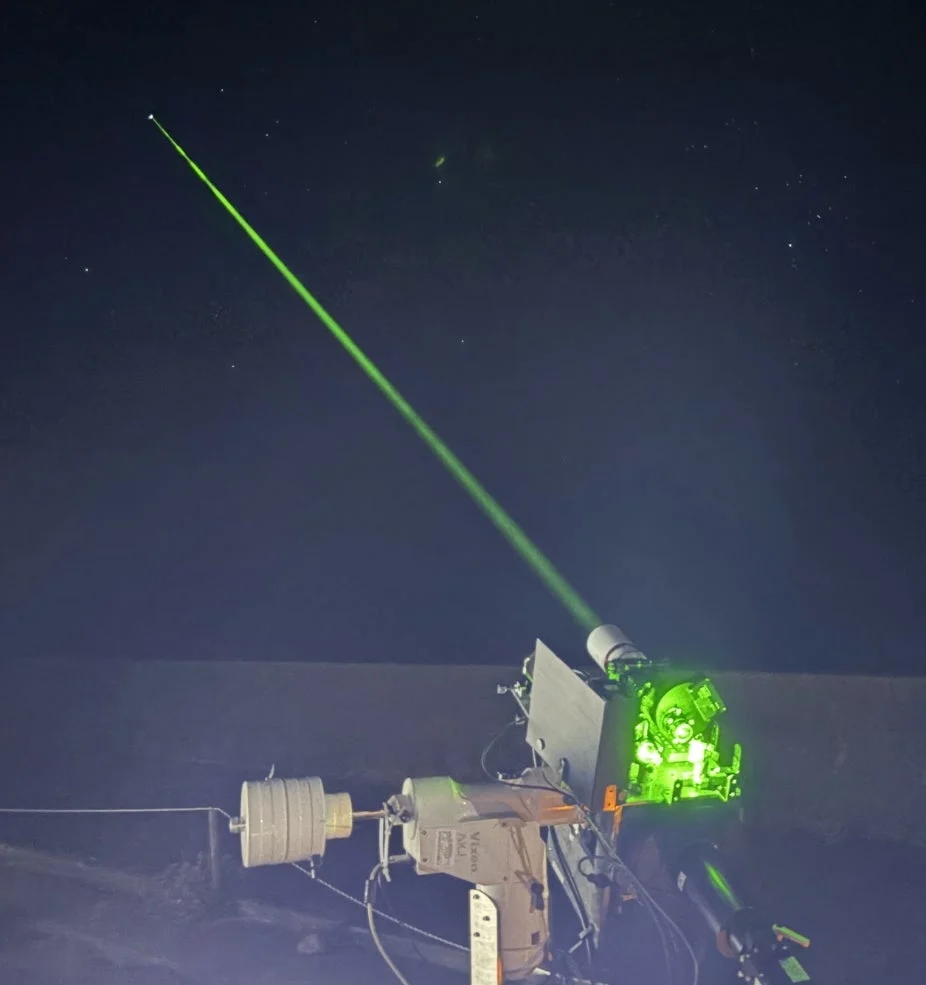
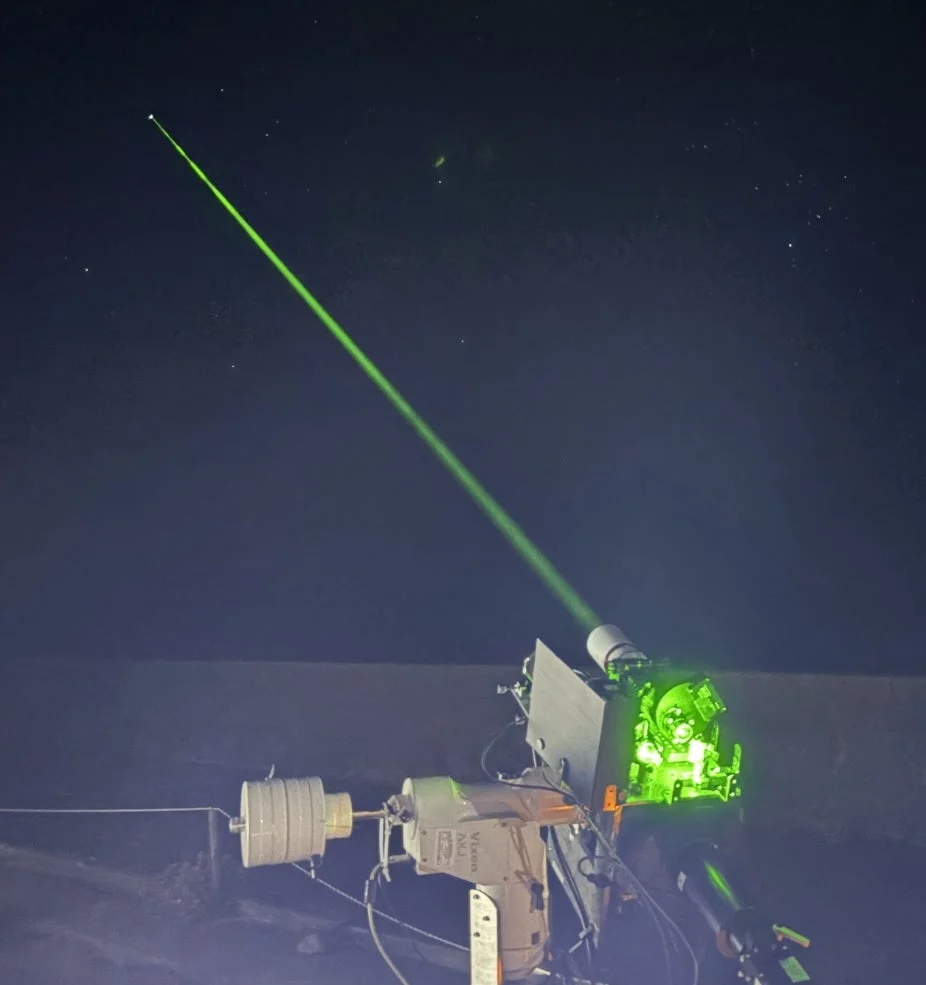
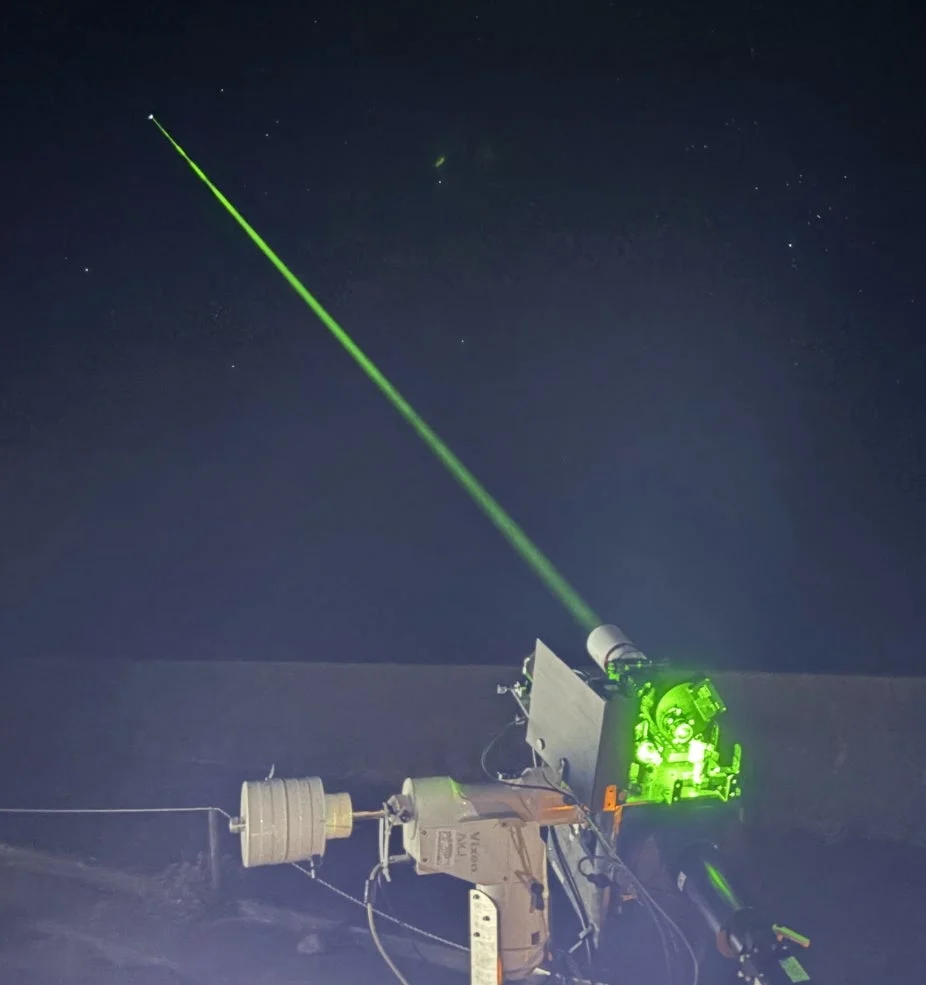
The crux of this agreement lies in a payload hosting arrangement that leverages the distinct strengths of both firms. Kepler Communications, a Toronto-based pioneer in satellite telecommunications, has spent years constructing an optical relay network designed to bridge the connectivity gap in Low Earth Orbit (LEO). By utilizing laser communication terminals, Kepler provides a "fiber-in-space" capability, enabling the near-instantaneous transfer of vast datasets from orbit to the ground.
NorthStar, meanwhile, brings its patented Space Information & Intelligence (Si²) platform to the table. NorthStar is renowned for its sophisticated Space Domain Awareness services, which provide high-fidelity tracking, monitoring, and predictive analytics regarding objects in orbit. By hosting NorthStar’s advanced optical sensors on Kepler’s fleet, the partners are effectively eliminating the latency that has historically hindered the effectiveness of space-based surveillance.
"Kepler’s constellation was built to enable real-time space applications and move mission-critical data from orbit to the people and programs who need it most," said Mina Mitry, CEO of Kepler Communications. "Partnering with NorthStar demonstrates how integrated space infrastructure can accelerate the deployment of advanced sensing missions while delivering timely, reliable access to the data they generate."
A Chronology of Collaboration and Market Evolution
To understand the gravity of this partnership, one must examine the timeline of technological maturation in the commercial space sector leading up to this moment.
- Early 2020s: The commercial space sector shifts focus from simple connectivity to specialized orbital services. Both Kepler and NorthStar begin scaling their respective architectures.
- 2024: As orbital congestion becomes a primary security concern for global powers, the U.S. Space Force and other international defense entities begin prioritizing commercial partnerships to augment government-owned SDA assets.
- 2025: Kepler advances its optical relay program, demonstrating successful inter-satellite links (ISLs). Concurrently, NorthStar deepens its relationships with the U.S. Department of Defense and the European Space Agency, proving the utility of its Si² platform.
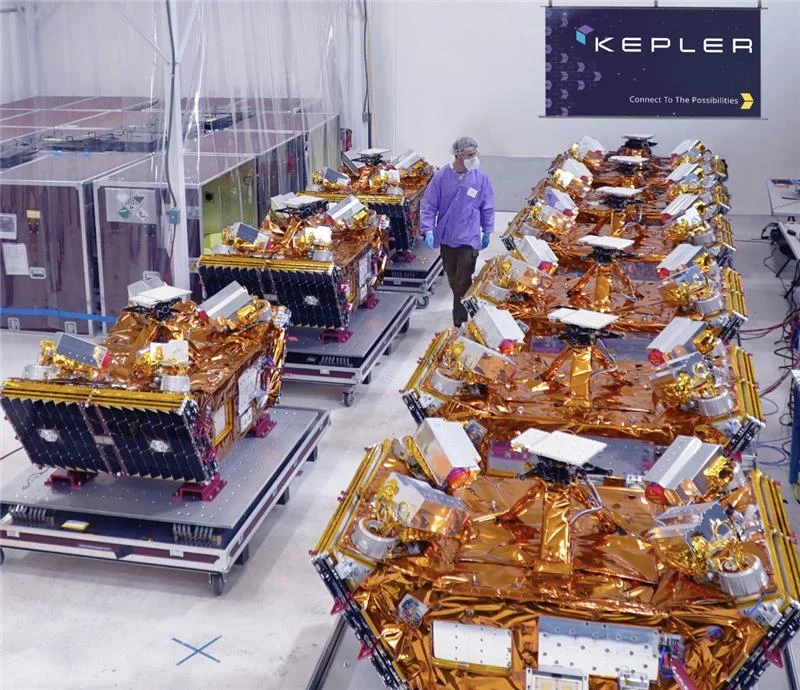
- January 2026: Kepler makes significant strides in its satellite manufacturing, setting the stage for more complex payload hosting capabilities.
- August 2026: The formal announcement of the partnership, marking the beginning of a multi-year integration phase that will see joint assets deployed to operational orbits.
Supporting Data: The Growing Imperative of SDA
The urgency of this partnership is underscored by the current state of orbital space. With thousands of satellites launched annually, the risk of collisions, interference, and geopolitical friction has risen exponentially.
The Problem: Orbital Congestion
As of late 2026, the number of active satellites in LEO has surpassed previous record projections. Conventional ground-based radar systems, while useful, suffer from geographical limitations and the "blind spots" inherent in terrestrial observation.
The Solution: Space-Based Sensing
NorthStar’s platform addresses these limitations by placing sensors directly in the path of the objects they track. By utilizing Kepler’s relay network, these sensors no longer need to wait for a ground station pass to downlink data. Instead, they can push telemetry through the Kepler optical backbone to a global network of ground sites, providing a "persistent eye" on the orbital environment.
This is particularly vital for the clients NorthStar currently serves, including:
- The Royal Canadian Armed Forces (RCAF): Requiring sovereign awareness of space assets over northern latitudes.
- U.S. Space Force (Joint Commercial Operations): Seeking to bolster situational awareness to maintain freedom of maneuver in contested environments.
- DARPA: Exploring high-speed, autonomous decision-making loops for space operations.
- Luxembourg and European Space Agencies: Investing in the sustainable management of European orbital infrastructure.
Official Perspectives: A Synergy of Vision
The leadership at both companies views this agreement as a natural evolution of the "New Space" era. For NorthStar, the partnership represents a transition from being a provider of data to an integrated intelligence provider.
"The integration of our Si² platform onto the Kepler architecture is a force multiplier," noted a spokesperson for NorthStar. "It allows us to scale our tracking capabilities at the speed of the modern orbital threat environment."
For Kepler, the partnership validates their business model as an infrastructure-as-a-service provider. By hosting payloads for third parties, Kepler maximizes the utilization of its satellite buses, creating a multi-tenant orbital environment that is far more efficient than the legacy approach of single-mission satellite deployments.
Implications: The Future of Global Space Security
The ramifications of this deal are far-reaching, affecting defense, commercial logistics, and space sustainability.
1. The Death of Latency
Historically, space intelligence has suffered from "store-and-forward" limitations. By the time a sensor captured an event, processed it, and waited for a ground station, the information was often stale. The Kepler-NorthStar link creates a "real-time" intelligence loop, allowing operators to react to orbital maneuvers or potential threats as they happen.
2. Commercial Augmentation of Defense
This partnership serves as a benchmark for the "Commercial Augmentation" strategy adopted by the U.S. and its allies. Governments are increasingly looking to move away from the high costs of building bespoke, classified satellites and toward purchasing data-as-a-service from commercial providers. Kepler and NorthStar are effectively providing a "turnkey" solution for national security agencies.
3. Setting Industry Standards
By successfully integrating complex optical payloads onto a third-party relay network, these companies are establishing an unofficial standard for modular satellite design. Future missions may prioritize "payload-agnostic" buses, allowing for rapid innovation cycles where sensors can be upgraded or replaced without needing to redesign the entire satellite infrastructure.
4. Sustainability and Debris Mitigation
SDA is the prerequisite for space sustainability. With more precise data on the orbits of debris and active satellites, operators can better perform collision avoidance maneuvers. This partnership will provide the high-fidelity tracking data necessary to keep space lanes open and usable for future generations.
Conclusion
The alliance between Kepler Communications and NorthStar is a hallmark of a maturing industry. It moves beyond the hype of individual satellite launches to focus on the interconnectedness of systems. By weaving together the fabric of space-based connectivity with the sharpness of orbital intelligence, the two firms are not just tracking satellites—they are building the foundational infrastructure for a stable, transparent, and secure space domain.
As the first joint payloads prepare for their journey to orbit, the global aerospace community will be watching closely. If successful, this model of collaboration could become the blueprint for all future space operations, ensuring that the "high ground" of space remains a manageable and reliable environment for the decades to come.
In the competitive and rapidly changing landscape of 2026, Kepler and NorthStar have demonstrated that the most effective way to navigate the future of space is not to go it alone, but to integrate.