The saga of NASA’s Neil Gehrels Swift Observatory—a legendary piece of space hardware that revolutionized our understanding of the high-energy universe—is nearing a somber, fiery conclusion. Following a high-stakes, multi-million dollar private sector rescue attempt that ultimately faltered, the aging observatory is now on an inevitable collision course with Earth’s atmosphere. This event serves as a stark reminder of the mounting challenges posed by an increasingly crowded low-Earth orbit (LEO) and the limitations of current on-orbit servicing technology.
The Legacy of a Cosmic Sentinel
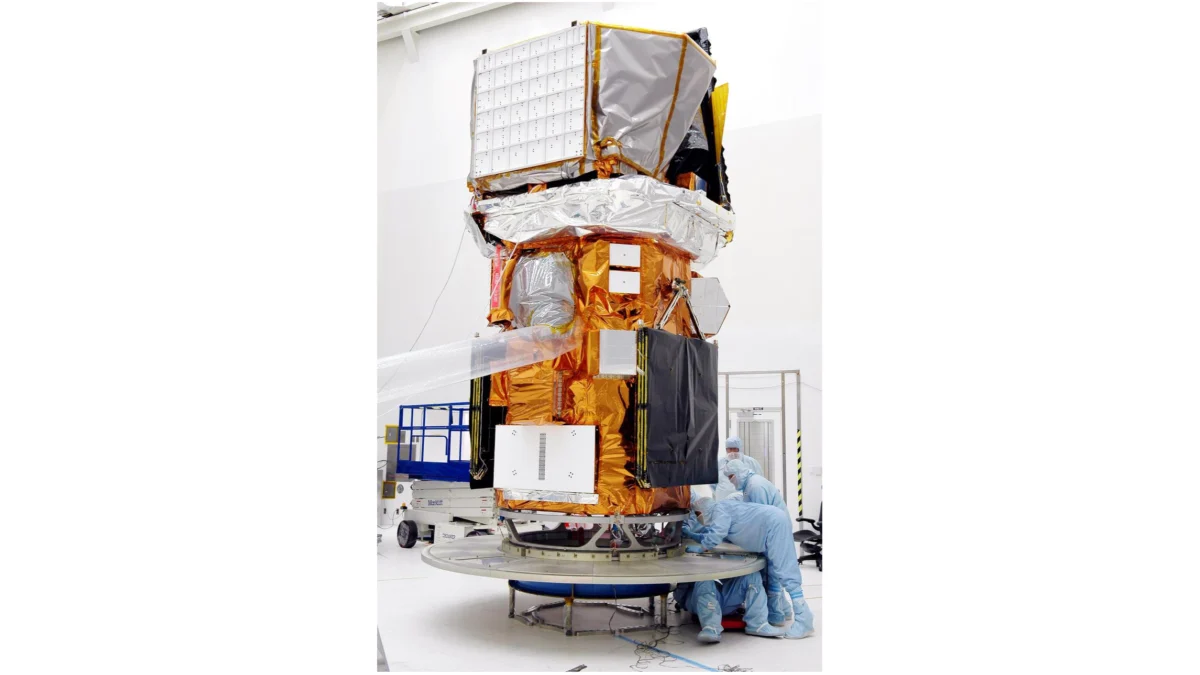
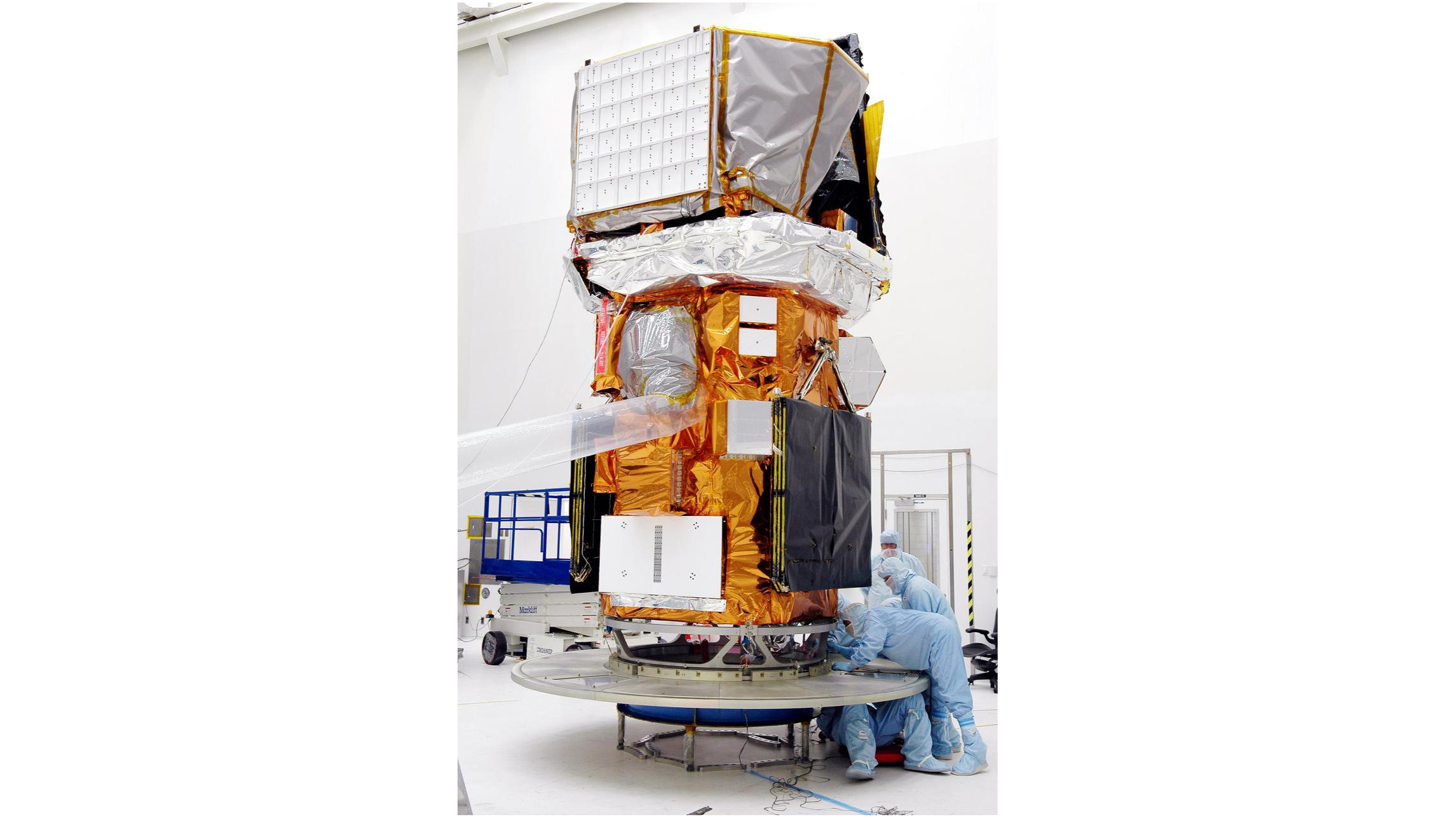
Launched in November 2004, the Neil Gehrels Swift Observatory was designed for one primary mission: to solve the mystery of gamma-ray bursts (GRBs). These bursts, the most powerful explosions in the universe since the Big Bang, are fleeting, high-energy events that occur in distant galaxies. To capture them, Swift was equipped with a sophisticated trio of telescopes: the Burst Alert Telescope (BAT), the X-ray Telescope (XRT), and the Ultraviolet/Optical Telescope (UVOT).
For over two decades, Swift performed remarkably, providing unprecedented data on the dynamic, violent cosmos. However, as the spacecraft entered its third decade of operation, it faced a classic orbital predicament. High solar activity in recent years has caused Earth’s upper atmosphere to swell, increasing drag on satellites in LEO. For Swift, this meant its altitude was decaying at an accelerating rate, threatening to pull the telescope into the atmosphere sooner than anticipated.
Chronology of a Failed Rescue
In September 2025, faced with the prospect of losing the observatory, NASA issued an urgent call to action. The goal was simple but daunting: secure a commercial partner to rendezvous with Swift and boost it into a higher, more stable orbit.
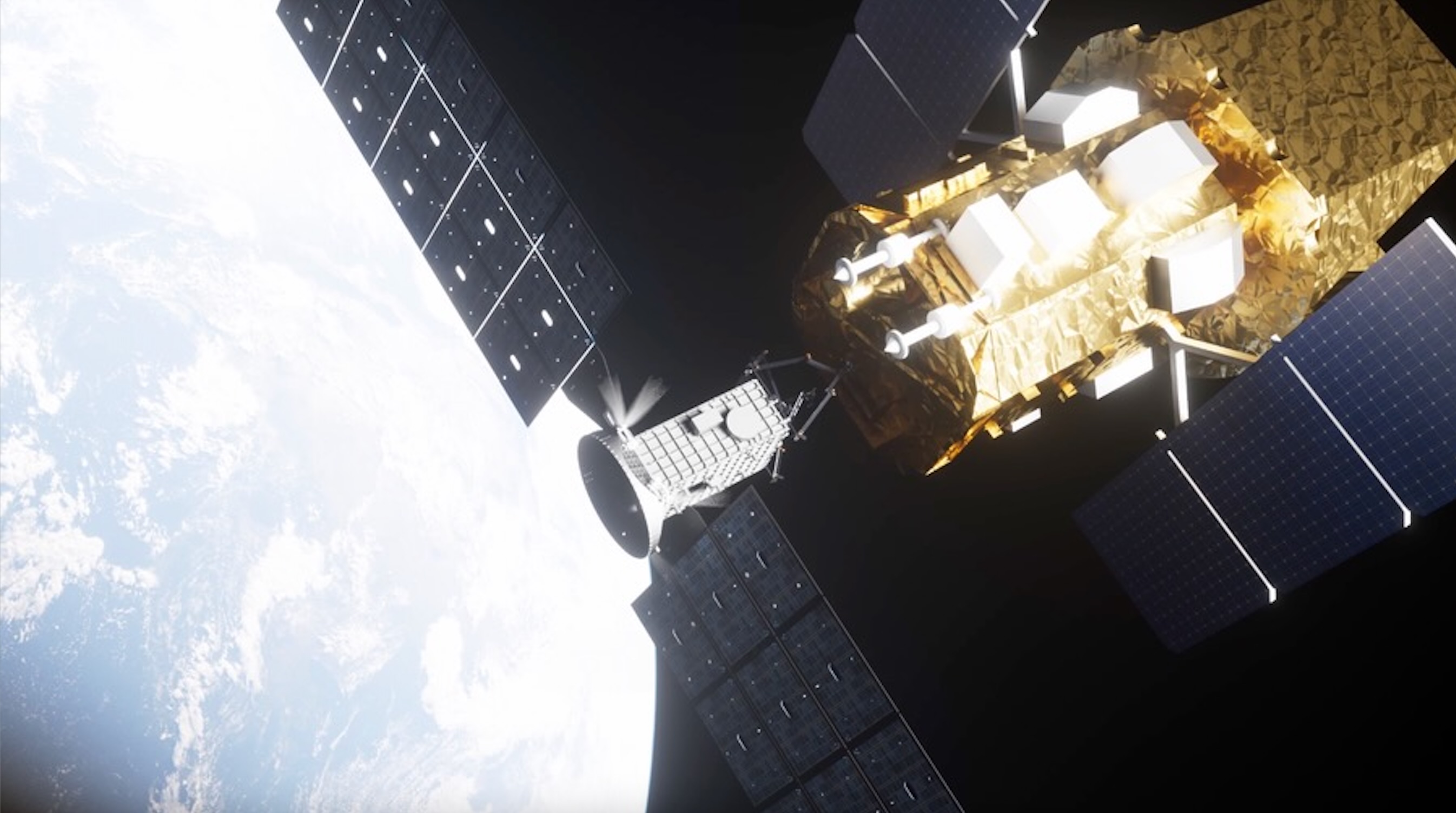
Katalyst Space Technologies, an Arizona-based startup, answered the call. The company secured a $30 million contract to develop a robotic spacecraft, dubbed "LINK," capable of docking with the aging telescope. The timeline was grueling—a "hurry-and-scurry" engineering sprint that saw the vehicle designed, built, and launched in just nine months.

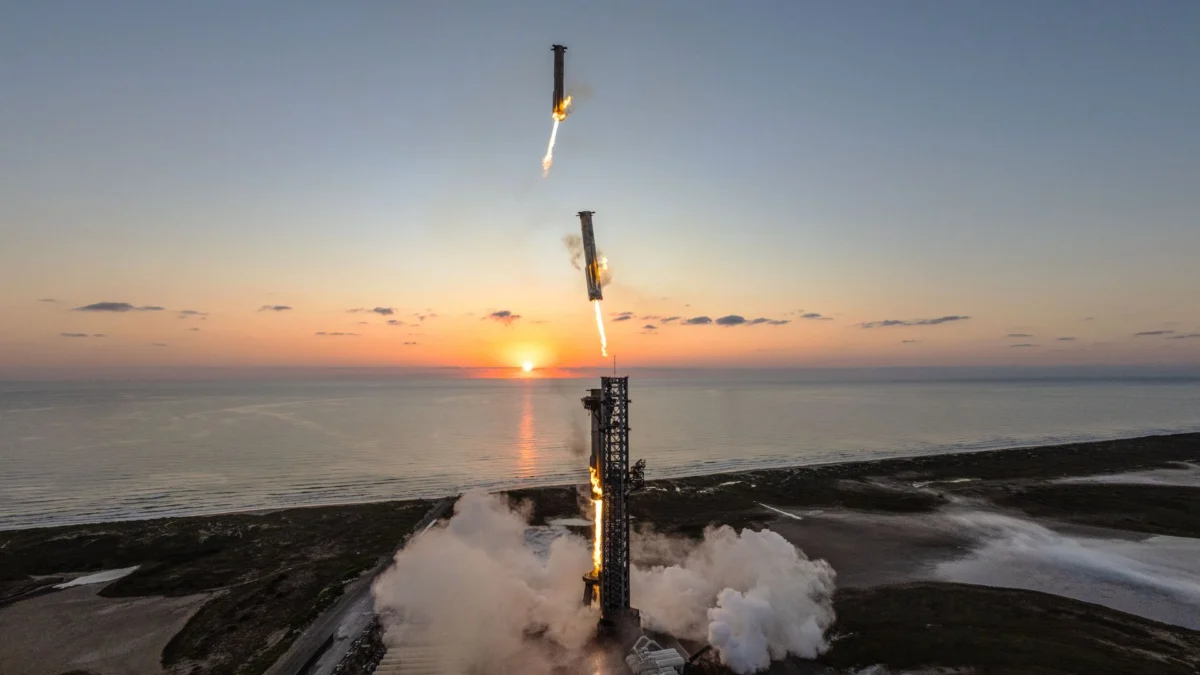
On July 3, the LINK spacecraft successfully launched, marking a milestone in potential in-orbit maintenance. However, the optimism was short-lived. Shortly after reaching orbit, the LINK vehicle experienced significant attitude-control malfunctions. The complexity of the maneuver—requiring precise synchronization between two independent spacecraft—proved too great to overcome given the technical anomalies. Consequently, NASA and Katalyst were forced to formally wave off the rescue mission.
Ghonhee Lee, CEO of Katalyst, later reflected on the outcome. "This is not the outcome that we wanted," Lee told CNN. "But it’s very important to recognize the unprecedented scale. This was an ambitious, high-risk, high-reward mission where we designed, built and launched a space robot within nine months. I think if we had had 12 months—just three more months—it would have made a tremendous difference."
Supporting Data: The Physics of Reentry
With the rescue mission officially abandoned, the Swift observatory is now entering the final phase of its life cycle. NASA has confirmed that the spacecraft will undergo an "uncontrolled reentry."
The technical specifications of the Swift observatory provide insight into what will happen during its descent. The telescope has a dry mass of approximately 613 kilograms (1,351 pounds). When a satellite of this mass enters the atmosphere at orbital speeds—roughly 17,500 miles per hour—it experiences extreme aerodynamic heating and mechanical stress.
According to orbital mechanics experts, while the majority of the satellite’s structure is expected to vaporize as it tears through the atmosphere, certain high-density components are likely to survive. The internal mechanisms of the X-ray and optical telescopes, specifically the specialized lenses and heavy-duty titanium fuel tanks, are prime candidates for surviving the intense heat of reentry.

Darren McKnight, a senior technical fellow at the space-tracking firm LeoLabs, notes that while the probability of these fragments causing ground-level damage is extremely low, the lack of public survivability analysis makes it difficult to assess the exact impact footprint. "The internal workings of those devices might survive," McKnight noted. "I am sure that they have done the analysis, but we have seen no public reporting on the specific survivability breakdown."
Official Responses and Safety Protocols
NASA’s stance remains one of calculated caution. Alise Fisher, a public affairs specialist at NASA Headquarters, confirmed that while the reentry is inevitable, the risk to the general public remains statistically negligible.
"Swift is not likely to reenter sooner than October," Fisher stated. "NASA will share more information as reentry approaches, following established interagency procedures for such notifications."
The agency utilizes standard protocols for managing uncontrolled reentries, which involve monitoring orbital decay and providing trajectory updates to relevant global stakeholders. Because the spacecraft’s orbit has an inclination of 21 degrees, its "footprint"—the potential area of impact—is limited to a band spanning from 21 degrees North latitude to 21 degrees South latitude. This region encompasses a massive swath of the Earth’s surface, the vast majority of which is open ocean.
The Growing Crisis of Orbital Debris
The failure to save Swift is not merely a loss for the scientific community; it is a case study in the growing "space junk" crisis. As the commercialization of space accelerates, the number of satellites in LEO is skyrocketing. With more objects in orbit, the frequency of uncontrolled reentries is rising, and with it, the statistical probability of a dangerous encounter.
Ewan Wright, a Ph.D. student at the University of British Columbia and a fellow at the Outer Space Institute, highlights the long-term implications. "The most likely outcome is that any surviving debris will land in the sea, but there is a chance it could impact a built-up area and cause a casualty," Wright warned.
Wright argues that the Swift situation is a harbinger of things to come. "There are more and more uncontrolled reentries of satellites and rockets each year, and the chance that someone will be hit is growing," he observed. The current regulatory framework for managing the end-of-life disposal of satellites is struggling to keep pace with the sheer volume of hardware being deployed.
The Future of In-Orbit Servicing
Despite the failure of the LINK mission, the industry remains optimistic about the future of robotic servicing. The "high-risk, high-reward" nature of the attempt provides invaluable data for future missions. The ability to extend the life of a satellite or to de-orbit dangerous debris safely is considered the "holy grail" of modern space operations.
The lessons learned by Katalyst Space Technologies regarding the necessity of longer development timelines, redundant control systems, and improved sensor fusion will likely be incorporated into the next generation of "space tugs."
For now, the Neil Gehrels Swift Observatory remains a silent, circling monument to the ingenuity of the early 21st century. It will continue to orbit the Earth until the thin, invisible drag of the upper atmosphere finally pulls it home. When it does fall, it will mark the end of a brilliant scientific career—a final, bright streak across the night sky, and a sobering reminder of our responsibility to the environment of the final frontier.
As the global space community looks toward the future, the Swift mission stands as a testament to both the fragility of our orbital assets and the urgent need for robust, sustainable solutions to the debris that we leave behind. The next time a similar mission is attempted, the stakes will be higher, the scrutiny more intense, and the lessons of 2025 will be at the forefront of every engineering plan.