Executive Summary: A Pivot in Tone
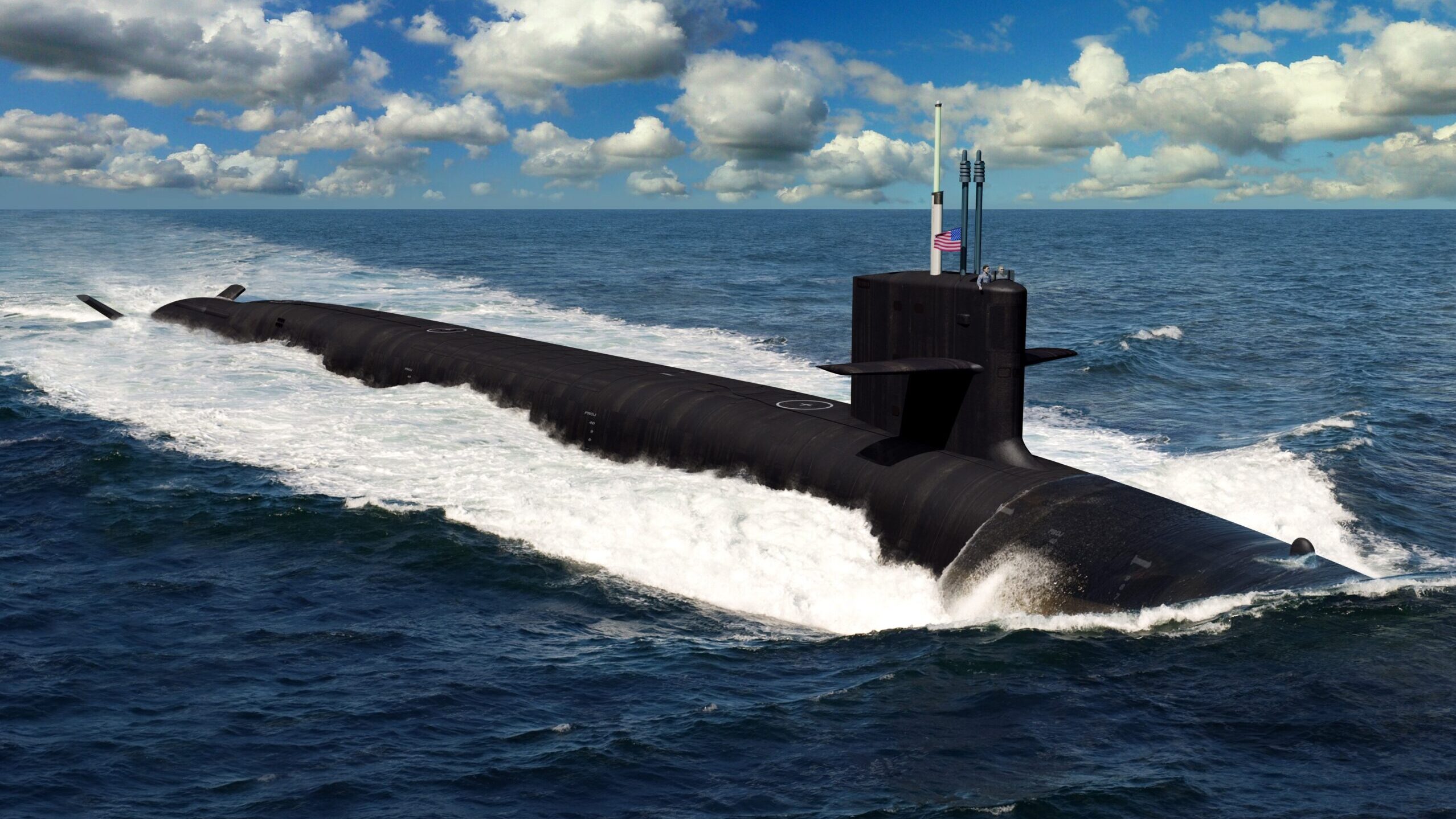
In a significant shift that has rippled through the defense industrial base, Vice Adm. Rob Gaucher, the U.S. Navy’s first-ever Direct Reporting Portfolio Manager (DPRM) for Submarines, has struck a decidedly more optimistic chord regarding the delivery of the USS District of Columbia. While he stopped short of declaring the task simple, Gaucher stated at the Submarine League Annual Symposium that the Navy’s ambitious 2028 delivery target is “absolutely achievable.”
This assessment marks a notable departure from his remarks in April 2026, when he characterized the effort to hit that same milestone as a “wicked heavy lift.” As the Navy navigates a complex landscape of supply chain constraints, workforce shortages, and the daunting technical requirements of the nation’s highest-priority strategic program, Gaucher’s newfound confidence is being closely scrutinized by lawmakers and industry stakeholders alike.
Chronology of the Columbia-Class Program
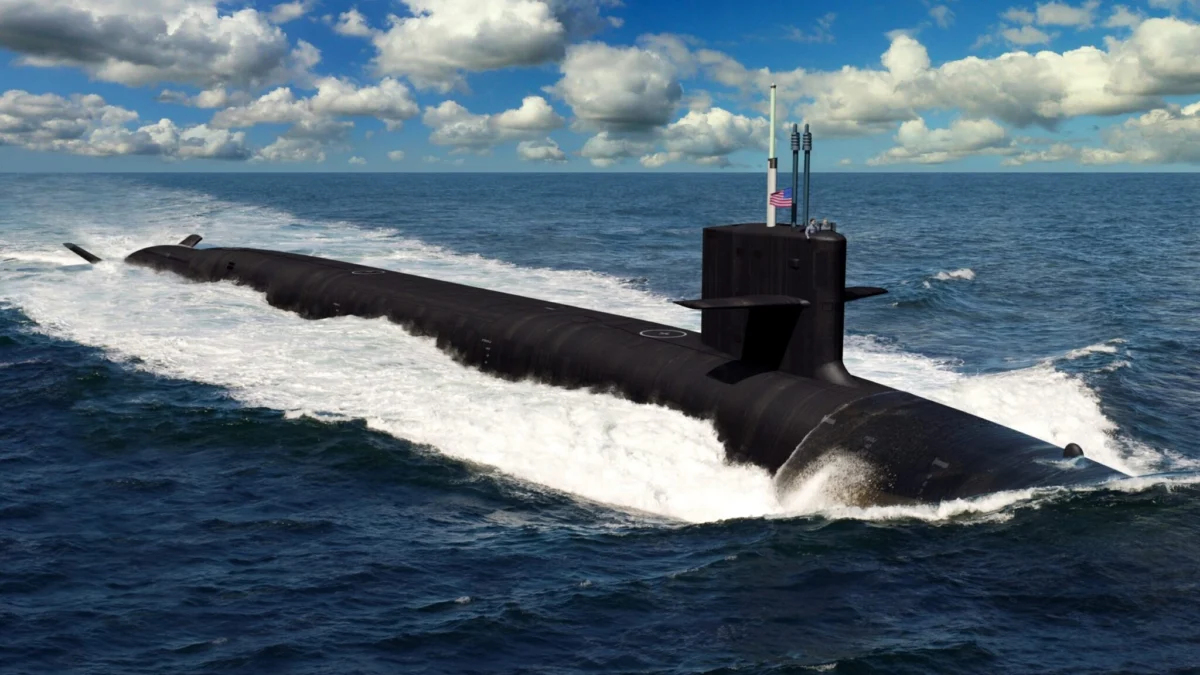
The path to the District of Columbia—the lead ship of a class designed to replace the aging Ohio-class ballistic missile submarines—has been marked by both ambition and adversity.
- 2024: The Navy formally acknowledged widespread delays across its shipbuilding portfolio, including the Columbia class. Officials cited critical shortages in shipyard labor and systemic supply chain bottlenecks, projecting a 12 to 16-month delay for the lead vessel.
- 2025: In response to the growing schedule gap, the Navy, in coordination with primary contractors General Dynamics Electric Boat and HII’s Newport News Shipbuilding, launched an aggressive acceleration plan. This initiative aimed to centralize the delivery of all construction modules to the Groton, Connecticut, assembly yard by the end of the year.
- February 2026: At the WEST 2026 conference, Rear Adm. Todd Weeks provided a status update, confirming that the acceleration plan had successfully triggered a “ramp-up” in construction. At that time, the District of Columbia was reported to be approximately 65% complete, while the second hull, the Wisconsin, was 35% complete.
- April 2026: Vice Adm. Gaucher assumed his role as submarine czar, immediately tempering expectations by describing the 2028 delivery date as a “wicked heavy lift” and highlighting unresolved “hiccups” in the nascent operational planning for the new class.
- Late 2026: Gaucher’s latest testimony at the Submarine League symposium indicates that the “deck plate performance” and improvements in production planning have begun to yield measurable results, shifting the narrative from crisis management to tactical execution.
Supporting Data: The Industrial Reality
The Columbia-class program is the Navy’s most critical acquisition, serving as the cornerstone of the sea-based leg of the U.S. nuclear triad. Its delivery is not merely a logistical milestone but a strategic imperative.
Production Metrics
The acceleration plan implemented in 2025 was designed to solve the "module synchronization" problem. By forcing all components to arrive at the final assembly point by the end of 2025, the Navy hoped to create a predictable assembly cadence. Recent data suggests this strategy is working. The move toward full-rate construction, anticipated for the early 2030s, is currently being buffered by the intense, high-precision work occurring in the shops today.
The Workforce and Supply Chain Variable
The delays noted in 2024 were not the result of a single failure, but a confluence of factors:
- Workforce Attrition: The loss of skilled welding and engineering talent during and post-pandemic hit the submarine industrial base particularly hard.
- Specialized Casting Issues: Submarine production relies on highly specialized nuclear-grade steel and complex casting components, many of which are produced by a dwindling number of vendors.
- The "Learning Curve": As the first of its class, the District of Columbia requires constant design-build adjustments. Every "hiccup"—an unforeseen interference between pipes, cables, or structural supports—requires an engineering solution that slows the assembly line.
Gaucher’s confidence stems from his belief that these "day-to-day production bottlenecks" are finally being identified and mitigated in real-time rather than becoming cumulative delays.
Official Responses and the "Strategic Balance"
Vice Adm. Gaucher’s comments were calculated to balance realism with the necessity of maintaining pressure on the industrial base. "To be clear, delivering District of Columbia in 2028 is still not easy," he emphasized. "It remains a heavy lift, and we have plenty of work to do. But it is absolutely achievable."
The importance of the distinction between "easy" and "achievable" cannot be overstated. By acknowledging the difficulty, Gaucher manages expectations for potential minor slippage, while the "achievable" label serves as a rallying cry for the thousands of workers at Electric Boat and Newport News.
Furthermore, the Navy has been careful to address the long-term health of the program. In April, leadership warned that they would not prioritize the 2028 date at the cost of long-term program integrity—meaning they would not sacrifice the quality or safety of the vessel simply to hit an arbitrary calendar date. Gaucher’s recent comments suggest that the Navy believes it can hit the date without compromising those standards, thanks to the increased operational tempo observed over the last six months.
Implications for National Security
The implications of the Columbia-class schedule extend far beyond the shipyard walls.
The Nuclear Triad
The Ohio-class submarines are reaching the end of their operational lifespan. A delay in the Columbia class creates a "bow wave" of risk for the U.S. nuclear deterrent. Every month of delay in delivery requires the Navy to squeeze more service life out of the Ohio hulls, which are already undergoing intense maintenance cycles to remain seaworthy.
Geopolitical Signaling
In an era of renewed great-power competition, the timely delivery of the Columbia class acts as a signal of American industrial and military resolve. Adversaries monitor these production timelines closely; a delay in the program is often interpreted as a decline in American capacity. Conversely, meeting the 2028 target would demonstrate that the U.S. can successfully execute complex, multi-year industrial projects despite global supply chain disruptions.
The "Submarine Czar" Paradigm
The creation of the Direct Reporting Portfolio Manager role itself is an implication of the program’s urgency. By centralizing oversight, the Navy has acknowledged that the traditional bureaucratic silos were insufficient for a program of this magnitude. Gaucher’s success or failure in meeting the 2028 date will likely serve as a case study for future naval procurement reform. If he succeeds, it validates the "czar" model of acquisition; if he fails, it may lead to further consolidation of power or, conversely, a move toward more decentralized, agile manufacturing processes.
Conclusion: The Road Ahead
As the Navy looks toward 2028, the narrative surrounding the Columbia class has shifted from one of potential systemic failure to one of determined, incremental progress. The "deck plate performance" that Gaucher references is the ultimate arbiter of success.
While the 12 to 16-month delay reported in 2024 cast a long shadow over the program, the acceleration efforts of 2025 and the stabilization of production in 2026 suggest that the tide may be turning. The coming 24 months will be critical. The industry must continue to hire and train personnel, the supply chain must maintain its throughput of specialized components, and the Navy must maintain the rigorous oversight that has defined Gaucher’s tenure.
For now, the District of Columbia remains on a knife’s edge. It is a program that demands perfection, and according to its top overseer, it is a program that—against the odds—is still on track to meet the requirements of the nation. Whether it is a "wicked heavy lift" or an "absolutely achievable" target, the result will define the undersea strategic landscape for the next half-century.