By [Your Name/Staff Writer]
In a display of orbital logistics precision that has become the hallmark of modern spaceflight, SpaceX successfully delivered another batch of Starlink satellites to low Earth orbit (LEO) on September 6, 2026. The mission, launching from the historic Vandenberg Space Force Base on the California coast, serves as a testament to the company’s relentless pursuit of global high-speed internet connectivity. As the private space industry continues to evolve, SpaceX’s routine operations are increasingly reshaping the landscape of global communications and the accessibility of space.
The Mission: A Morning Lift-Off
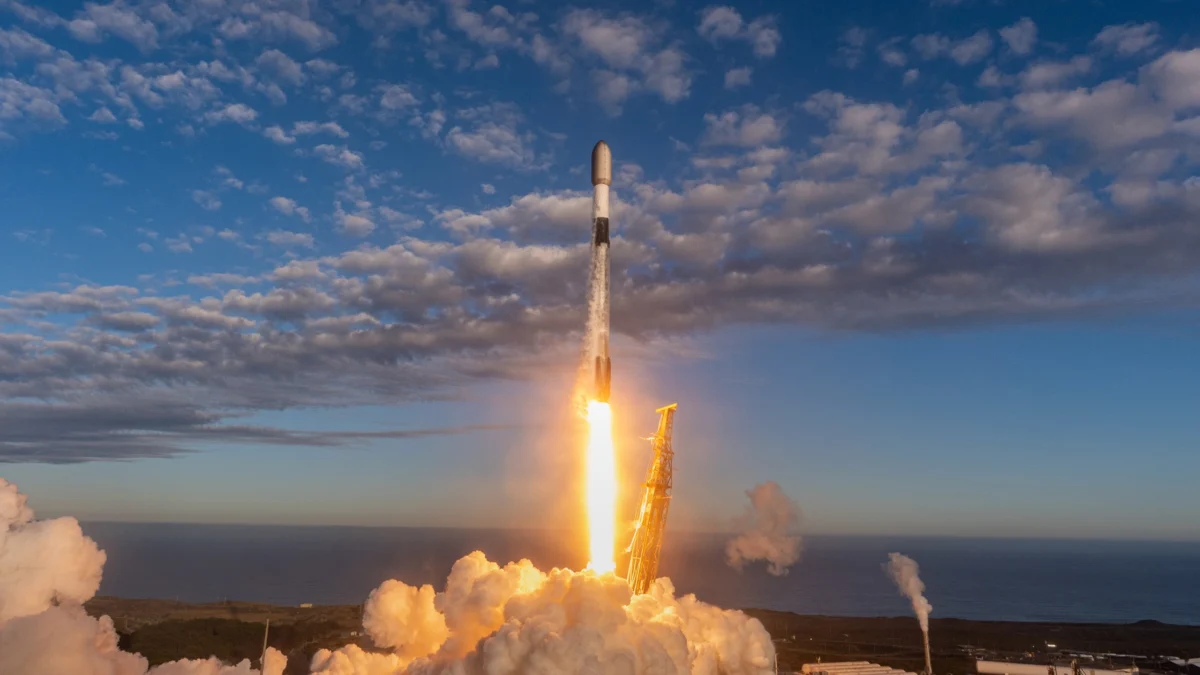
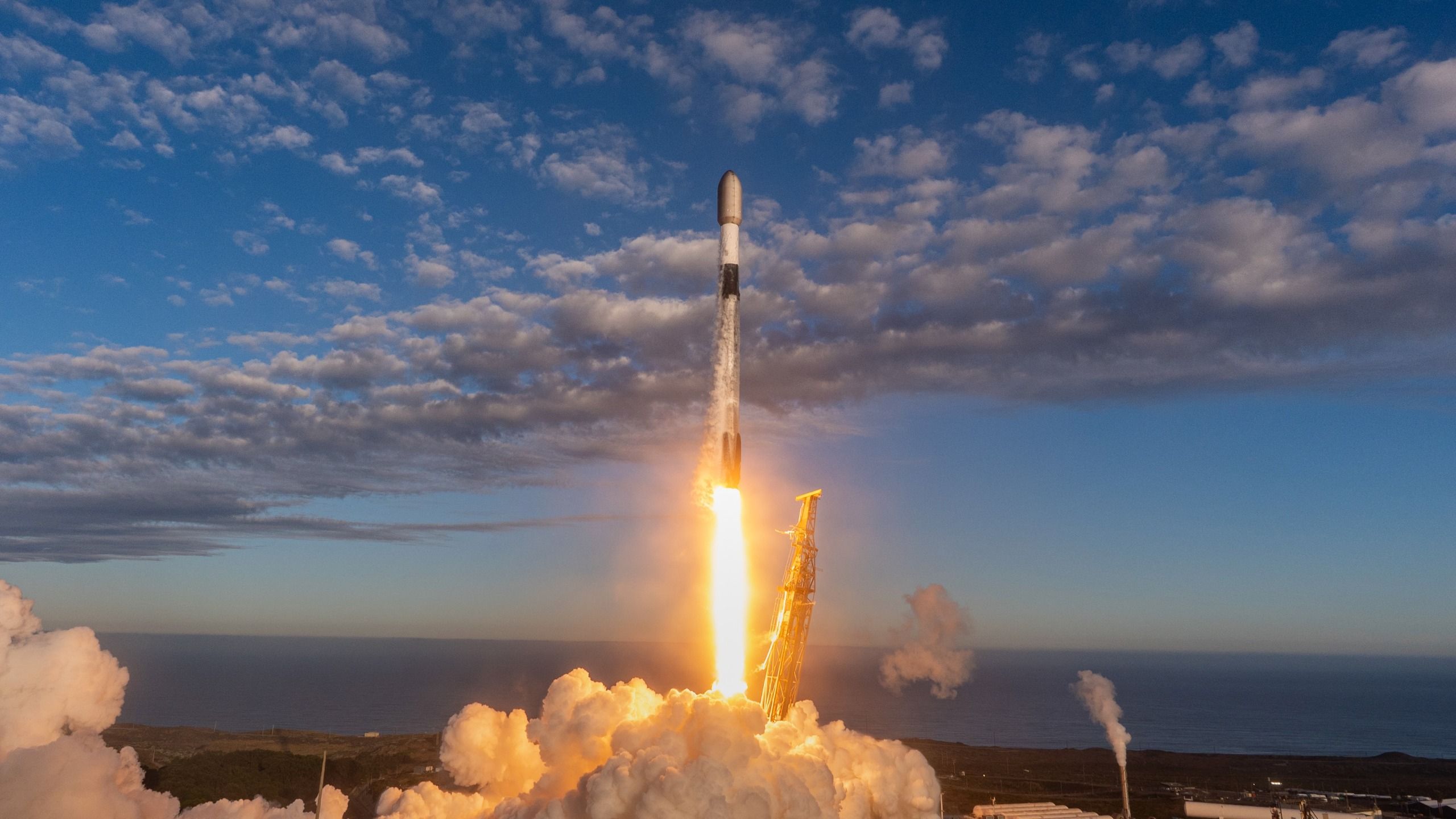
The Falcon 9 rocket, a workhorse of the aerospace industry, ignited its nine Merlin 1D engines at 10:26 a.m. EDT (1426 GMT). Under rare, clear blue skies—a pleasant departure from the dense marine layer that frequently blankets the central California coast—the rocket ascended into the atmosphere, carrying 27 next-generation Starlink internet satellites.
The launch sequence proceeded without incident. Following the initial boost phase, the Falcon 9’s first stage detached and executed a controlled descent. Roughly 8.5 minutes after liftoff, the booster touched down with pinpoint accuracy on the autonomous spaceport drone ship, Of Course I Still Love You, stationed in the Pacific Ocean. This successful recovery underscores the reliability of SpaceX’s reusability program, a key factor in the company’s ability to drive down the cost of access to space.
A Legacy of Reusability: Tracking Booster B1088
The booster utilized for this mission, identified as B1088, is a seasoned veteran of the spaceflight industry. With this flight, B1088 has completed 19 successful missions. While this is an impressive feat by any standard, it highlights the engineering durability required to sustain such a rigorous launch schedule.
For perspective, this puts the booster at roughly the halfway point to the current industry record of 37 flights, a benchmark set by B1067 just weeks earlier on August 25. The data gathered from these "flight-proven" boosters is invaluable. Every time a rocket is refurbished and relaunched, SpaceX gains critical insights into materials science, thermal fatigue, and engine performance under repetitive stress. These metrics are not merely for bragging rights; they are the fundamental building blocks for the future development of the Starship launch system and beyond.
Chronology of the Mission
- T-minus 0:00: Liftoff from Vandenberg Space Force Base.
- T-plus 2:30: Main Engine Cut-Off (MECO) and stage separation.
- T-plus 8:30: Successful touchdown of the first stage on the drone ship.
- T-plus 62:00: Deployment of the 27 Starlink satellites into their intended LEO trajectory.
Following the deployment, the satellites began their health-check procedures, communicating with ground stations to verify solar array deployment and ion thruster operation before maneuvering into their final operational orbits.
Supporting Data: The Megaconstellation in Numbers
The September 6 mission marks the 103rd Falcon 9 launch of 2026, a staggering figure that highlights the transformation of space from an occasional domain of exploration to a bustling highway of commerce and data. Of these 103 missions, 80 have been dedicated exclusively to the expansion of the Starlink network.
According to data compiled by astronomer and satellite tracker Jonathan McDowell, the Starlink constellation now consists of more than 11,000 active satellites. This makes it, by a significant margin, the largest satellite network ever assembled in human history. To put this into context, there are more Starlink satellites currently in orbit than the total number of objects humans had launched into space in the first fifty years of the Space Age.
This density of infrastructure is designed to provide seamless, low-latency internet access to virtually any point on Earth. From rural communities in the Andes to maritime vessels in the middle of the Atlantic, the constellation is effectively closing the digital divide, providing a level of connectivity that was previously deemed economically impossible.
Shifting Operational Landscapes
A notable trend in recent months is the consolidation of Starlink launch operations at Vandenberg Space Force Base. Previously, SpaceX maintained a dual-coast approach, launching satellites from both Florida’s Space Coast and California. However, the company has recently put those East Coast missions on hold.
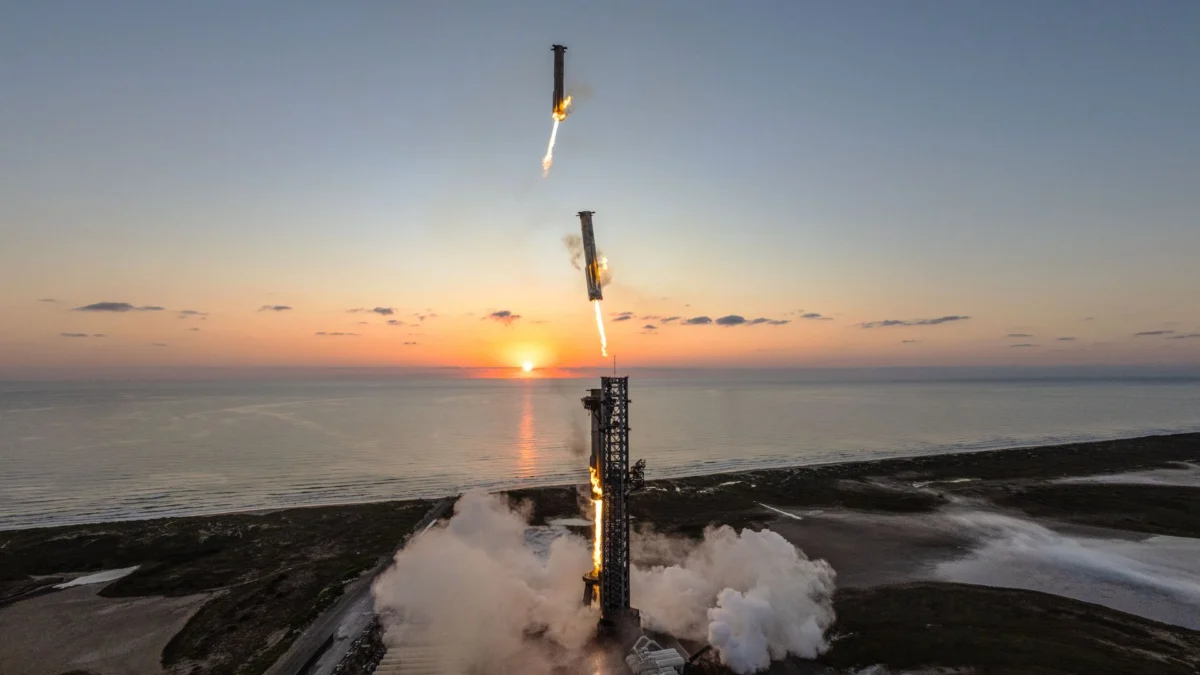
Industry analysts suggest this shift is tactical. By centering Starlink launches at Vandenberg, SpaceX is optimizing its logistical footprint. Furthermore, the company is preparing for a transition in its launch architecture. The focus at Cape Canaveral is increasingly shifting toward the preparation of the Starship megarocket, which will eventually take over the heavy lifting of the next-generation Starlink V3 satellites.
Implications: The Road to 100,000
The current V2 satellites, while highly effective, are only a stepping stone. Elon Musk, CEO of SpaceX, has been vocal about the company’s ambitious roadmap for the future. The next generation of satellites, the V3 series, are slated to be significantly larger, more powerful, and capable of handling a much higher volume of data traffic than their predecessors.
The long-term goal is nothing short of audacious: the deployment of approximately 100,000 Starlink V3 satellites. Such a massive constellation will require a paradigm shift in how we manage orbital traffic. The implications for space sustainability, collision avoidance, and light pollution are significant, and regulators are already beginning to grapple with the challenges of managing such a high-density LEO environment.
The Future of Global Connectivity
The success of this launch is more than a routine logistical victory; it is a manifestation of a changing world. As the number of active satellites continues to grow, the ability to launch at this frequency—and with such reliability—positions SpaceX as the primary architect of the new orbital economy.
For the scientific community, the increase in satellite numbers brings concerns regarding light pollution and potential interference with ground-based astronomical observations. SpaceX has engaged with astronomers to mitigate these effects through the use of "dark" coatings and orientation adjustments, though the debate remains active.
For the consumer, the implications are profound. High-speed, low-latency internet is becoming a utility as common as electricity. As the Starship program matures and the V3 satellites begin to reach orbit, we are likely to see a further acceleration in the capability and accessibility of global communications.
In conclusion, the September 6 launch of 27 Starlink satellites serves as a quiet reminder of how fast the industry is moving. While space launches were once headline-grabbing events that captured the attention of the world, they are now becoming the mundane, reliable backbone of the digital age. With the 103rd mission of the year now in the books, the eyes of the industry turn toward the next horizon: the era of Starship, the next-generation of satellite technology, and the continued expansion of the human footprint in low Earth orbit.
Michael Wall, the author of this report, brings over a decade of expertise in spaceflight and technology journalism. A former wildlife biologist with a Ph.D. in evolutionary biology, his unique perspective on space exploration has made him a leading voice in the field. For further updates on SpaceX and the ongoing evolution of the Starlink network, continue to follow our coverage.