August 27, 2026 — In a move that signals a paradigm shift for the orbital economy, Kepler Communications and NorthStar Earth & Space have announced a strategic partnership that integrates high-speed optical data relay with cutting-edge Space Domain Awareness (SDA). By hosting NorthStar’s advanced sensors and intelligence platforms directly on Kepler’s optical satellite infrastructure, the two companies are positioning themselves at the vanguard of a new era of space situational awareness.
This collaboration is not merely a technical integration; it is a fundamental reconfiguration of how space-based intelligence is collected, processed, and disseminated to government and commercial end-users.
Main Facts: The Intersection of Connectivity and Intelligence
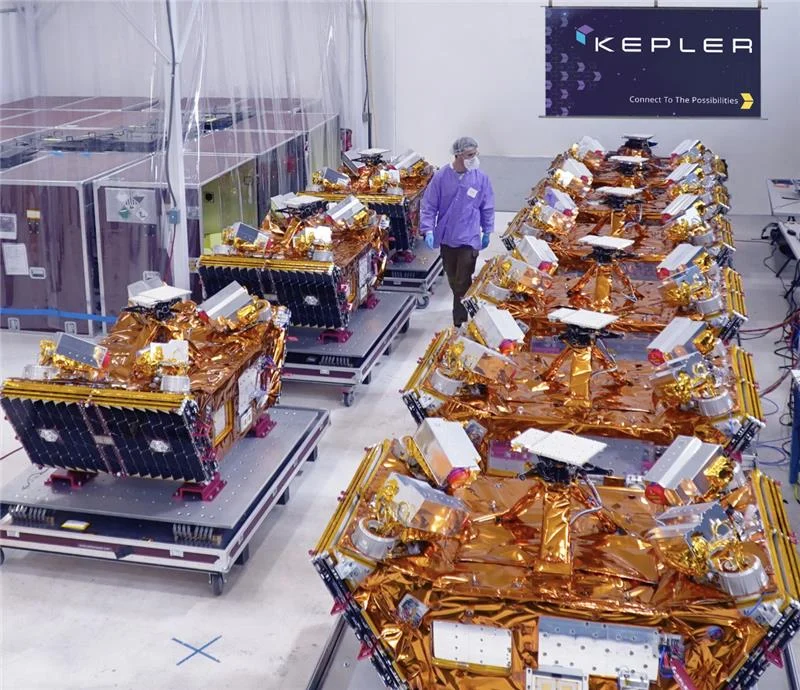
The core of this partnership centers on a payload hosting agreement. Kepler Communications, renowned for its rapidly expanding constellation designed to provide high-capacity, low-latency space-to-space and space-to-ground connectivity, will provide the "backbone" for NorthStar’s sophisticated SDA payload.
NorthStar’s proprietary technology—the Space Information & Intelligence (Si²) platform—will be integrated into Kepler’s optical relay satellites. This allows NorthStar to leverage Kepler’s high-bandwidth optical inter-satellite links (OISLs) to bypass the traditional delays associated with ground-station downlinking. Instead of waiting for a satellite to pass over a specific ground station to offload data, NorthStar can now transmit critical intelligence across the Kepler mesh network, achieving near-real-time delivery to mission control centers globally.
For the burgeoning space industry, this represents a critical advancement. As the number of satellites in Low Earth Orbit (LEO) continues to climb toward the tens of thousands, the risk of orbital congestion and collisions has necessitated a more robust, proactive approach to monitoring the space environment. This partnership addresses that need by combining superior sensing with superior connectivity.
Chronology: The Road to a Integrated Space Architecture
The road to this partnership was paved by years of individual technological maturation within both organizations.
- 2020–2022: Foundations of Scale. Kepler Communications focused on the deployment of its "Generation 1" satellites, testing the feasibility of high-speed data transmission for industrial and government use cases. Simultaneously, NorthStar began refining its unique business model as the world’s first commercial service to monitor space from space.
- 2024: The Shift to Optical. Recognizing that radio frequency (RF) spectrum would become a bottleneck for data-intensive missions, Kepler pivoted its constellation design toward optical communications. This coincided with NorthStar’s successful deployment of its first dedicated SDA sensors, proving that commercial entities could perform high-fidelity tracking of resident space objects (RSOs).
- Q1 2026: Strategic Alignment. Early in 2026, discussions began between the two firms regarding the technical synergies between NorthStar’s intelligence requirements and Kepler’s relay capacity.
- August 27, 2026: Official Announcement. The companies formalize the agreement, signaling the transition from conceptual planning to active mission integration.
Supporting Data: Why This Partnership Matters
The necessity of this partnership is underscored by the current state of orbital traffic. According to industry reports from 2026, the volume of active satellites in LEO has surged by over 40% in the last 24 months.
The Challenges of Space Domain Awareness
Traditional SDA relies on a combination of ground-based radar and optical telescopes. However, these are limited by weather conditions, geographic positioning, and the physical constraints of looking "up" through the atmosphere. NorthStar’s approach—placing sensors directly in orbit—removes these atmospheric limitations.
The Role of Optical Relay
The data generated by sophisticated SDA sensors is substantial. High-resolution imagery and telemetry tracking require massive bandwidth. Kepler’s optical infrastructure provides:
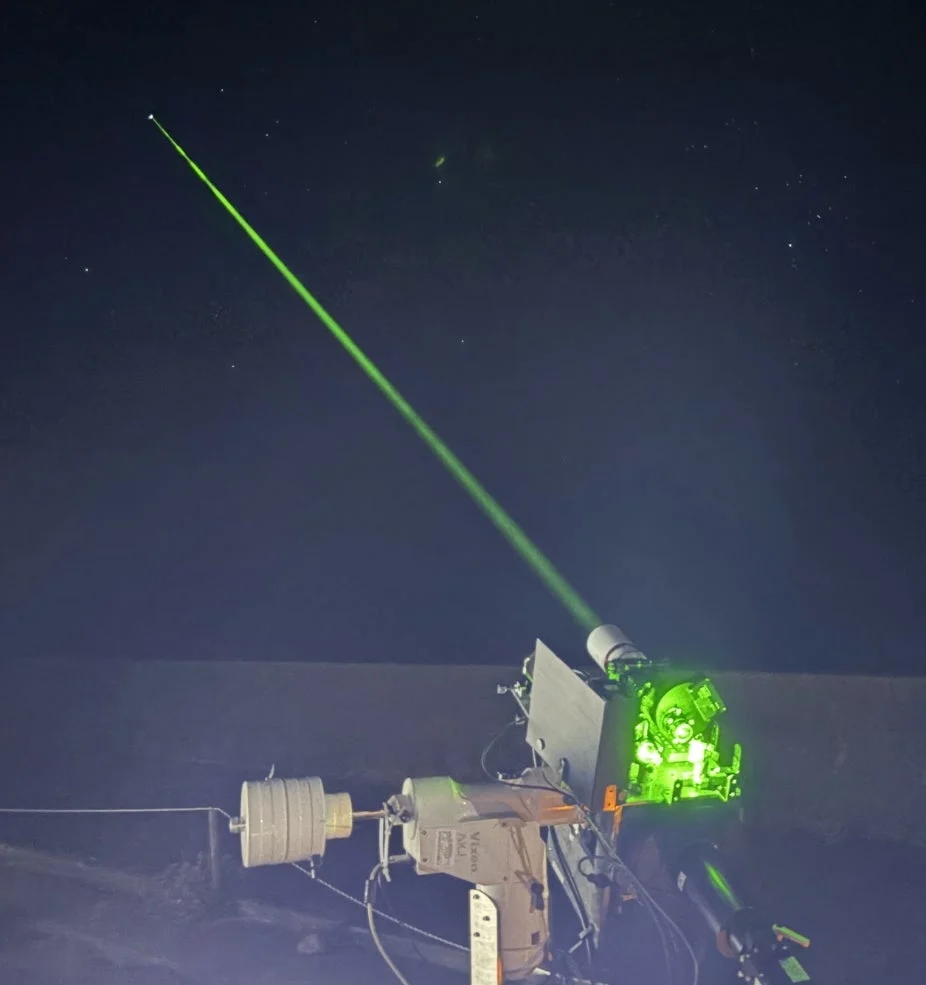
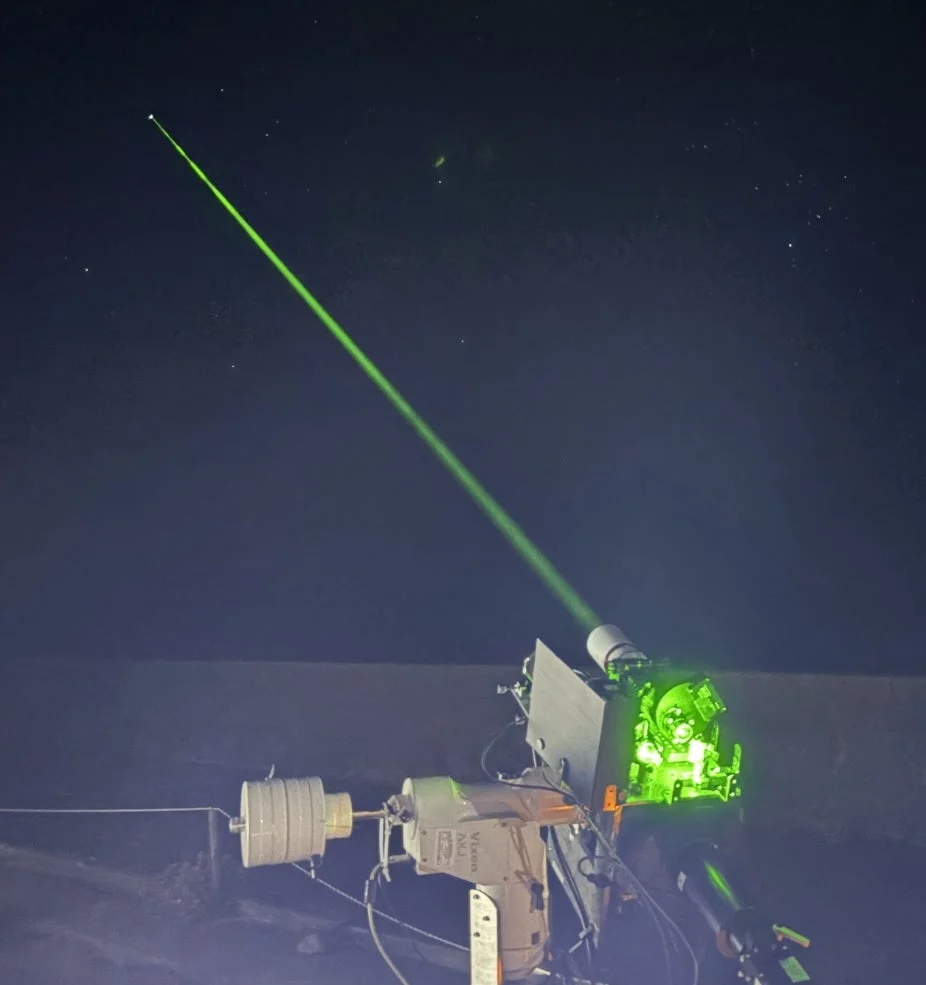
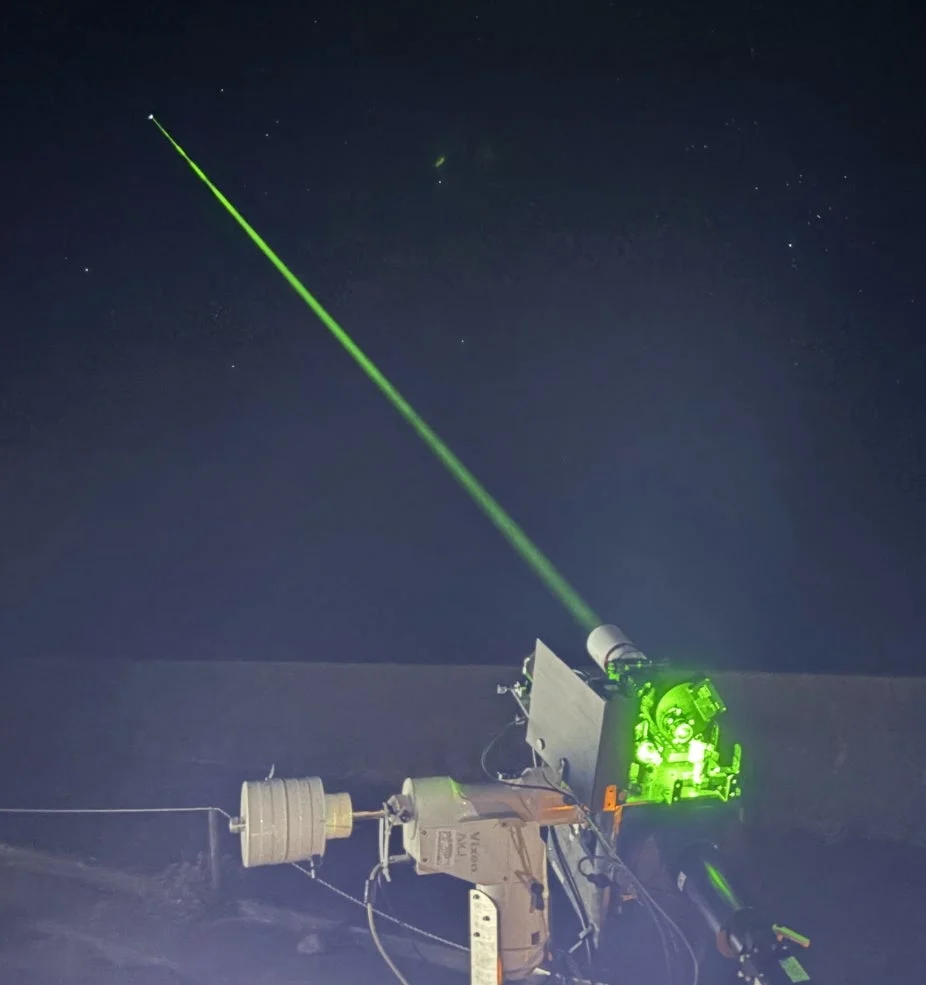
- Latency Reduction: By using laser communication, the delay in data transmission is minimized, allowing for rapid decision-making in time-sensitive scenarios (e.g., collision avoidance).
- Continuous Coverage: Through a mesh network, data can be "hopped" from satellite to satellite until it reaches a ground terminal, ensuring that intelligence is not lost during the time a sensor is out of range of a terrestrial station.
- Resiliency: In an era of increasing electronic warfare and signal jamming, optical links provide a secure, low-probability-of-intercept (LPI) method of communication that is immune to RF interference.
Official Responses: Leadership Perspectives
The partnership has been met with enthusiasm from the leadership of both organizations, who view this as a symbiotic relationship.
Mina Mitry, CEO of Kepler Communications, emphasized the strategic intent behind the move:
"Kepler’s constellation was built to enable real-time space applications and move mission-critical data from orbit to the people and programs who need it most. Partnering with NorthStar demonstrates how integrated space infrastructure can accelerate the deployment of advanced sensing missions while delivering timely, reliable access to the data they generate. We aren’t just launching satellites; we are building the nervous system of the space economy."
While NorthStar officials were not quoted directly in the initial announcement, the company’s track record—serving heavyweights like the U.S. Space Force Joint Commercial Operations, the Royal Canadian Armed Forces (RCAF), and DARPA—speaks to the high stakes of their work. By embedding their intelligence platform within Kepler’s relay, NorthStar is effectively future-proofing their service against the inevitable increase in orbital density.
Implications: The Future of Space Security
The implications of the Kepler-NorthStar partnership extend far beyond the two companies. It represents a broader trend toward the "commoditization of space infrastructure."
1. The Rise of "Space-as-a-Service"
By hosting third-party payloads, Kepler is moving toward a business model akin to cloud computing. Just as Amazon Web Services (AWS) provides the infrastructure for software developers, Kepler is providing the orbital infrastructure for sensing and intelligence providers. This lowers the barrier to entry for other space-tech companies who wish to deploy advanced missions without building their own communications constellations.
2. Enhanced National Security
With NorthStar’s client list including the European Space Agency and the U.S. Space Force, the integration of their Si² platform into Kepler’s relay network will have immediate effects on defense and security. Real-time awareness of RSOs, potential threats, and orbital debris is a top priority for global superpowers. This partnership offers a commercial solution to what has historically been a state-controlled military function.
3. Sustainability and Orbital Management
Collision avoidance is no longer a luxury; it is a prerequisite for orbital sustainability. As Kepler and NorthStar synchronize their capabilities, they provide the global space community with a more reliable "map" of the orbital environment. This reduces the risk of catastrophic collisions, which could otherwise create debris fields that endanger all future space exploration.
4. Economic Competitiveness
The combination of a Montreal-based intelligence firm and a global network provider highlights the international nature of modern space operations. By maintaining a U.S. operational base in Virginia, NorthStar ensures it can meet the strict security requirements of the U.S. defense sector, while its partnership with Kepler ensures it has the global reach required to serve clients in Europe, Asia, and the Americas.
Conclusion: A New Standard for Orbital Operations
The Kepler-NorthStar partnership marks a definitive step toward the industrialization of Low Earth Orbit. By bridging the gap between sensing and connectivity, the two companies have created a model that is likely to be replicated as the space sector continues to mature.
As we look toward the remainder of the decade, the integration of these technologies suggests that the "space race" has moved past the phase of merely reaching orbit and into the phase of optimizing it. For the stakeholders involved—including the U.S. Space Force, the RCAF, and commercial satellite operators worldwide—this collaboration offers a glimpse into a more secure, connected, and transparent orbital environment. The future of space is not just about having more assets in the sky; it is about having a network that understands, monitors, and communicates the state of the heavens in real-time.