In the lexicon of the amateur astronomer, certain terms act as gravitational wells: "total," "maximum," "peak," and "best." We are conditioned to chase the headline events—the fleeting seconds of totality during a solar eclipse or the fiery crimson hue of a "blood moon." Yet, there is a profound, often overlooked beauty in the events that fall just short of these astronomical milestones. The recent deep partial lunar eclipse of August 28 serves as a poignant reminder that the universe’s most compelling dramas are not always the ones that conform to our expectations.
The August 28 Partial Lunar Eclipse: A Study in Geometry
On the morning of August 28, the moon did not turn the dramatic, blood-red color that captivates social media and news cycles. Instead, it offered something arguably more intellectually stimulating: a clear, unobstructed look at the mechanics of our solar system.
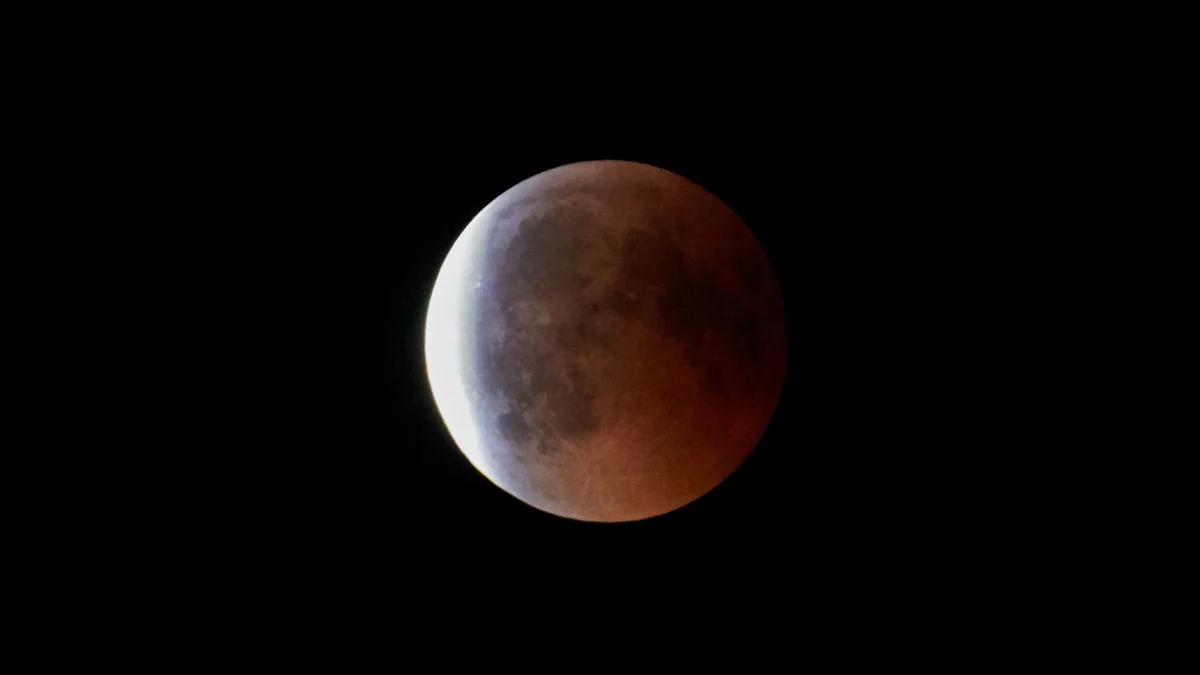
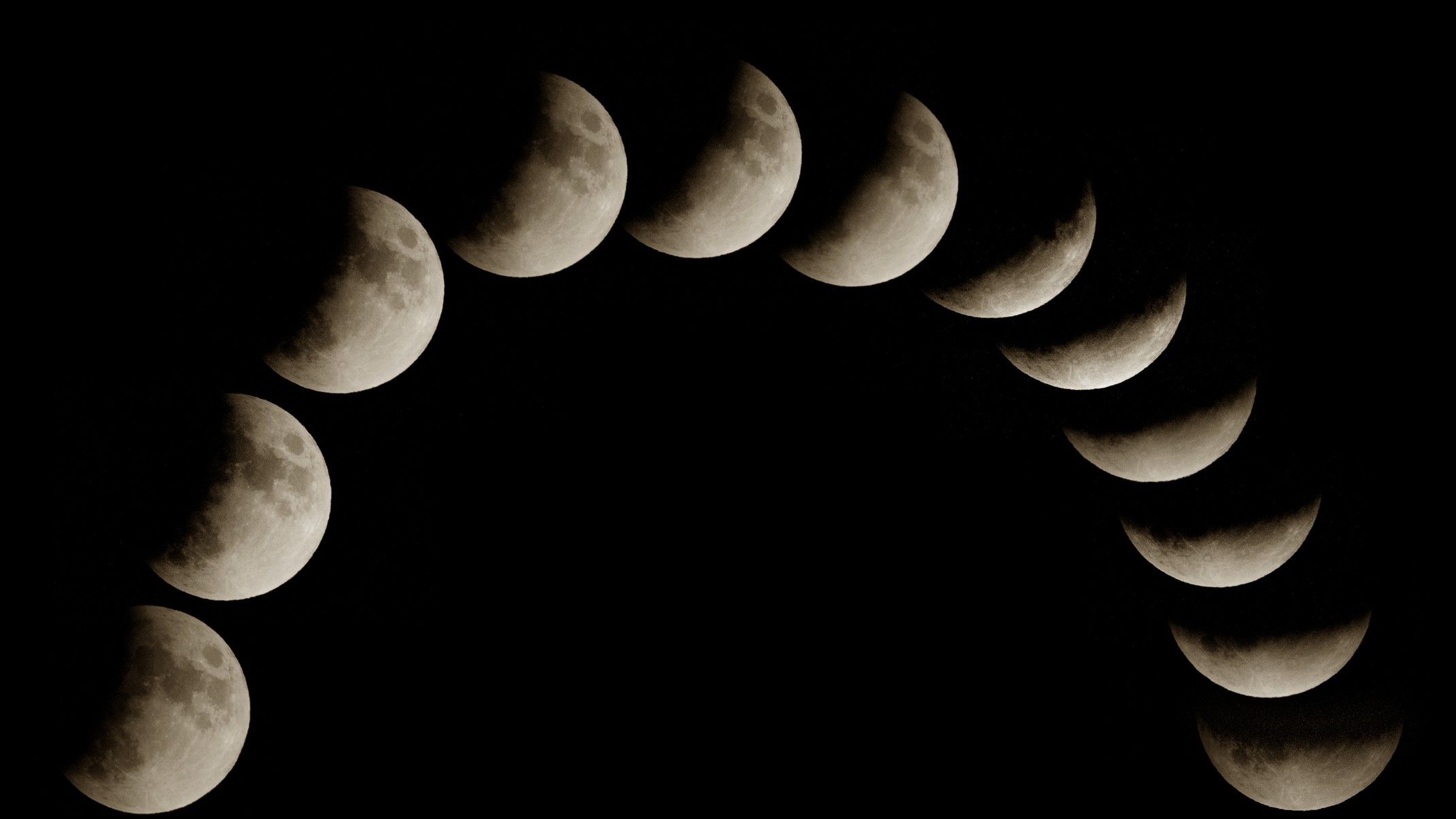
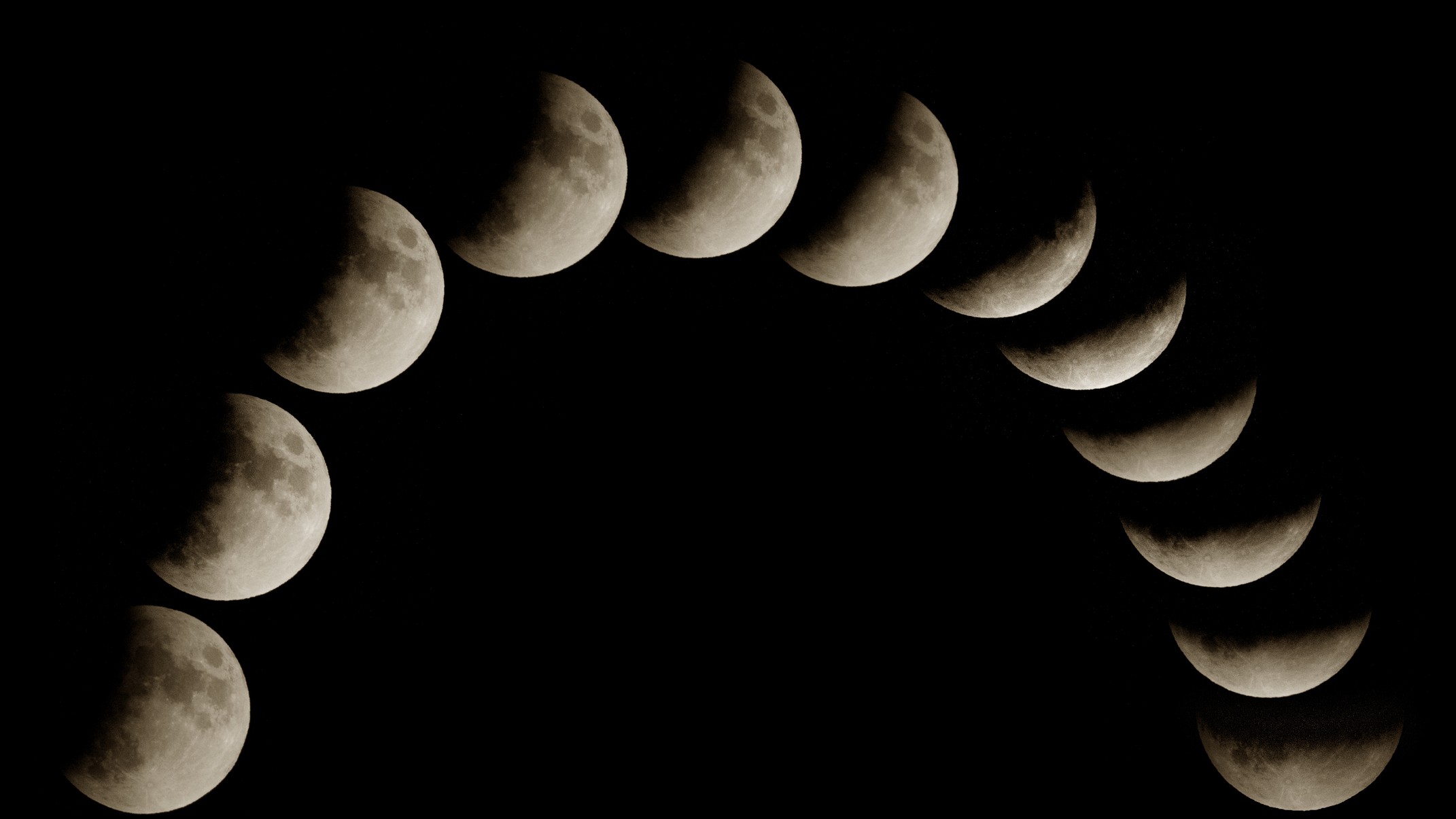
At its peak, Earth’s umbral shadow covered 96.2% of the lunar surface. To the naked eye, the moon appeared as a delicate, glowing sliver—a celestial "near-miss" that failed to achieve the total obscuration required for a classic blood moon. Because a small portion of the lunar surface remained outside the darkest part of Earth’s shadow, the phenomenon did not trigger the atmospheric scattering that typically paints the moon in hues of copper and rust.
Instead, observers were treated to a rare, crisp demonstration of orbital geometry. The tension of the event lay in its "almostness." By failing to reach totality, the eclipse allowed the observer to witness the distinct, curved edge of Earth’s shadow as it crept across the lunar craters and maria. It was a stark, monochromatic reminder of our planet’s physical presence in space—a silent, circular blockade in the void.
Beyond the Headline Act: Why "Almost" Matters
The modern obsession with the "perfect" celestial event often blinds us to the nuances of the cosmos. When we dismiss a 96% eclipse as a "failure" because it didn’t reach 100%, we ignore the inherent wonder of the mechanics at play.
The Physics of the "Blood Moon"
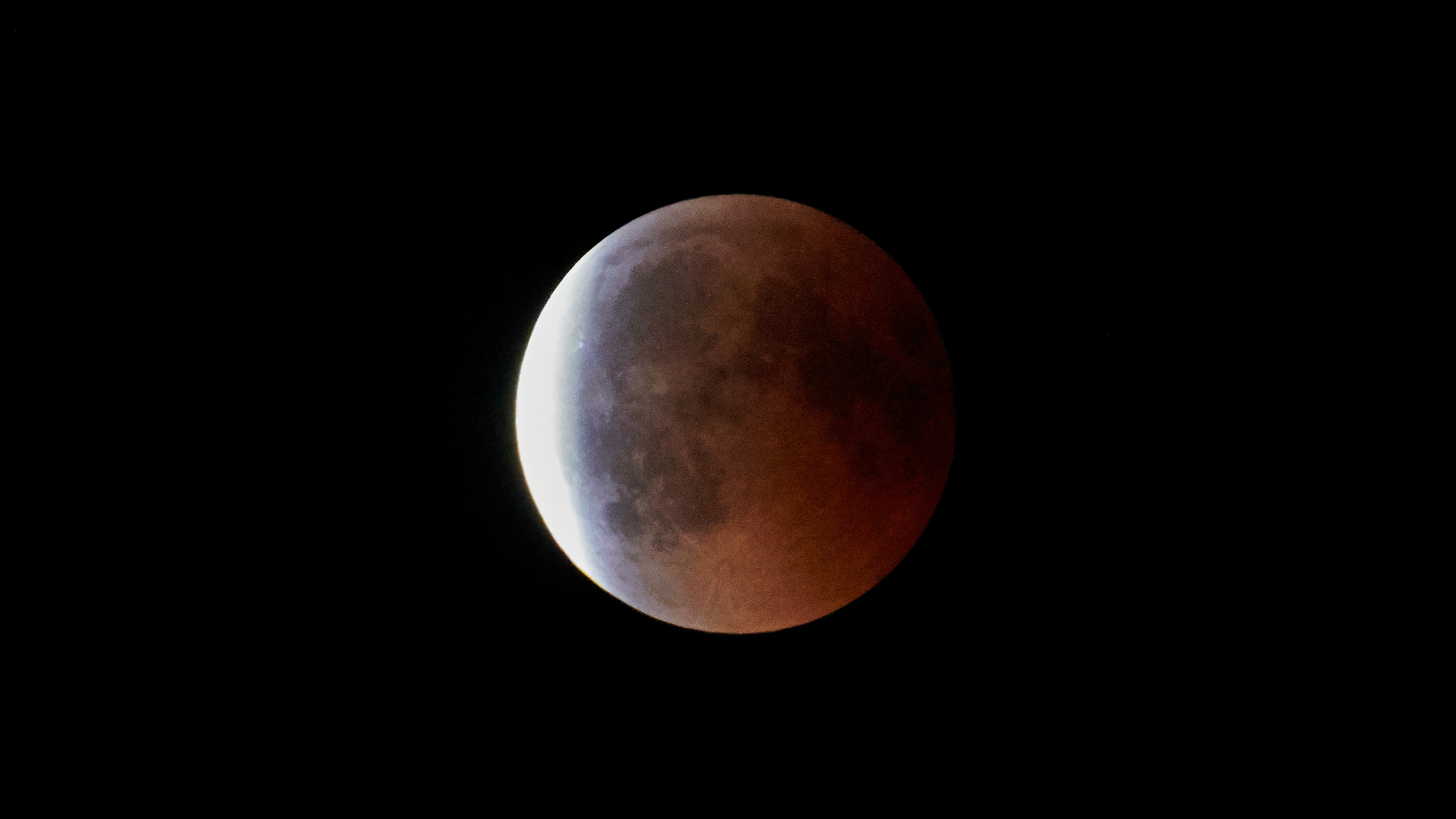
A total lunar eclipse, or "blood moon," is a byproduct of Earth’s atmosphere acting as a cosmic lens. Sunlight, as it grazes the edge of our planet, is filtered by our atmosphere. Shorter, blue wavelengths of light are scattered away, while the longer, red and orange wavelengths are refracted, or bent, into the shadow and onto the lunar surface. It is, in essence, the combined light of every sunrise and sunset on Earth projected onto the moon.
In contrast, a partial eclipse provides a clearer view of the umbral shadow’s boundary. Without the overwhelming red glow, the contrast between the illuminated portion of the moon and the dark, eclipsed section becomes a masterclass in celestial scale.
The Beauty of Near-Misses
Astronomy is a discipline of near-misses. From the comet that promised a spectacular tail but dimmed into a mere smudge, to the meteor shower that peaked beneath a dense cloud deck, the history of sky-watching is defined by these moments of anticipation and, occasionally, anticlimax. Yet, it is precisely this unpredictability that keeps the practice of stargazing vital. To watch the sky is to accept that we are spectators to a show that does not cater to our schedules or our desire for perfection.
Grazing Occultations: The Moon’s Delicate Dance
Perhaps the most elegant of these "near-miss" phenomena is the grazing occultation. This occurs when the moon, in its orbital path, passes just in front of a bright star or planet.
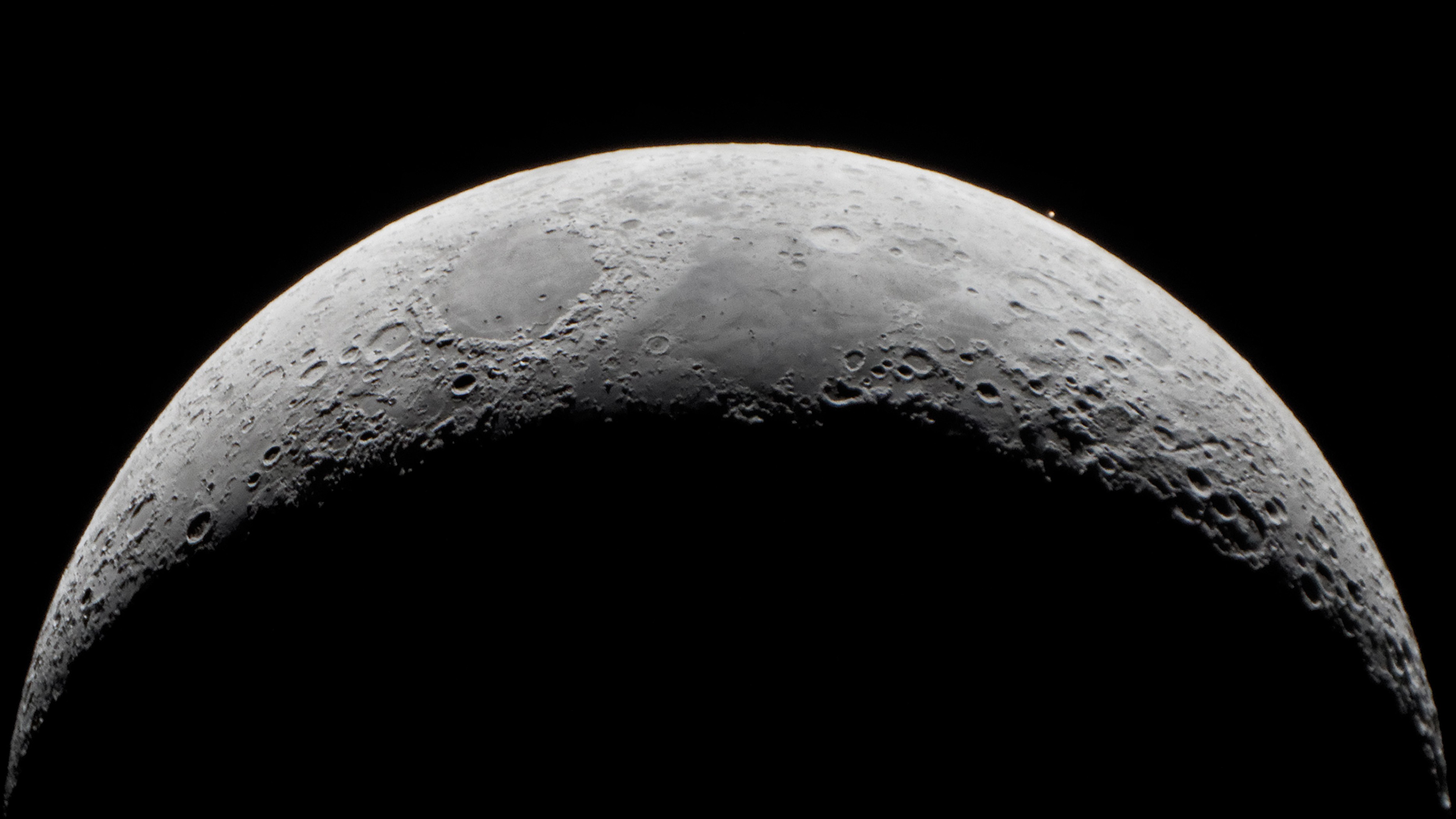
Unlike a standard occultation, where the object vanishes behind the moon’s bulk, a grazing occultation causes the object to "wink" in and out of existence as it is skimmed by the rugged, mountainous topography of the lunar limb. These events are highly localized; because the moon’s apparent position in the sky shifts based on the observer’s latitude and longitude, a graze may be visible to a viewer in one city, while a neighbor 50 miles away sees only a close approach.
Historical highlights include the 2018 occultation of Aldebaran and the 2023 disappearance of Antares. These events serve as empirical, visual proof of the moon’s lack of atmosphere and its jagged, cratered reality. They are fleeting, rare, and demand precise planning—the ultimate reward for the patient observer.
Future Anomalies: A Look Ahead
While the August eclipse has passed, the calendar remains dotted with celestial near-misses that promise to challenge our definitions of "spectacular."
Solar Eclipse Anomalies
The solar eclipse scheduled for April 9, 2043, stands out as a bizarre entry in the annals of astronomy. It is classified as a "non-central" total solar eclipse. In a standard total solar eclipse, the moon’s dark central shadow, the umbra, traces a clear path across the Earth’s surface. In 2043, the moon’s shadow will barely graze the Earth’s edge.
For the vast majority of the planet, this will be a partial eclipse, or nothing at all. Only a sliver of the far north of Russia—specifically the coastal region of Tymlat—will experience a fleeting 59 seconds of totality. It is a reminder that the most "exclusive" celestial events are often governed by geography and luck rather than mere astronomical timing.
For those looking for more accessible events, keep these dates marked:
- January 14, 2029: A significant partial solar eclipse.
- December 5, 2029: Another major partial solar event, ideal for testing solar observation equipment.
Implications for Stargazers
The lesson of the "almost" is one of patience and perspective. In a world of high-definition digital imagery and instant gratification, the practice of sitting in the dark, waiting for a celestial body to shift by a fraction of a degree, is a radical act of slowing down.
Professional astronomers and hobbyists alike are encouraged to look past the "big ticket" events. When you track a planet as it grazes the edge of the moon, or witness a partial eclipse where the shadow feels tangible, you are engaging with the clockwork of the solar system in a way that a photograph of a "perfect" eclipse can never convey.
Stargazer’s Corner: What to Watch (Aug 28 – Sept 3, 2026)
As we move into the first week of September, the moon remains bright following its full phase, which will wash out fainter deep-sky objects like nebulae and distant galaxies. However, this week offers an excellent opportunity to observe the solar system’s neighbors.
Saturn’s Prominence
Saturn is now reaching an ideal position for evening observation. Rising in the east, the ringed planet is currently well-placed for those with small telescopes or steady-handed binocular users. On August 30, Saturn will reach a conjunction with the moon—a perfect opportunity to locate the planet relative to our satellite.
The Venusian Challenge
Venus continues to shine with its signature brilliance in the western sky shortly after sunset. However, observers should be prepared for the "horizon haze" that often blurs the view of the planet. While its brightness is undeniable, the atmospheric turbulence near the horizon can make it appear less sharp than high-altitude planets like Saturn.
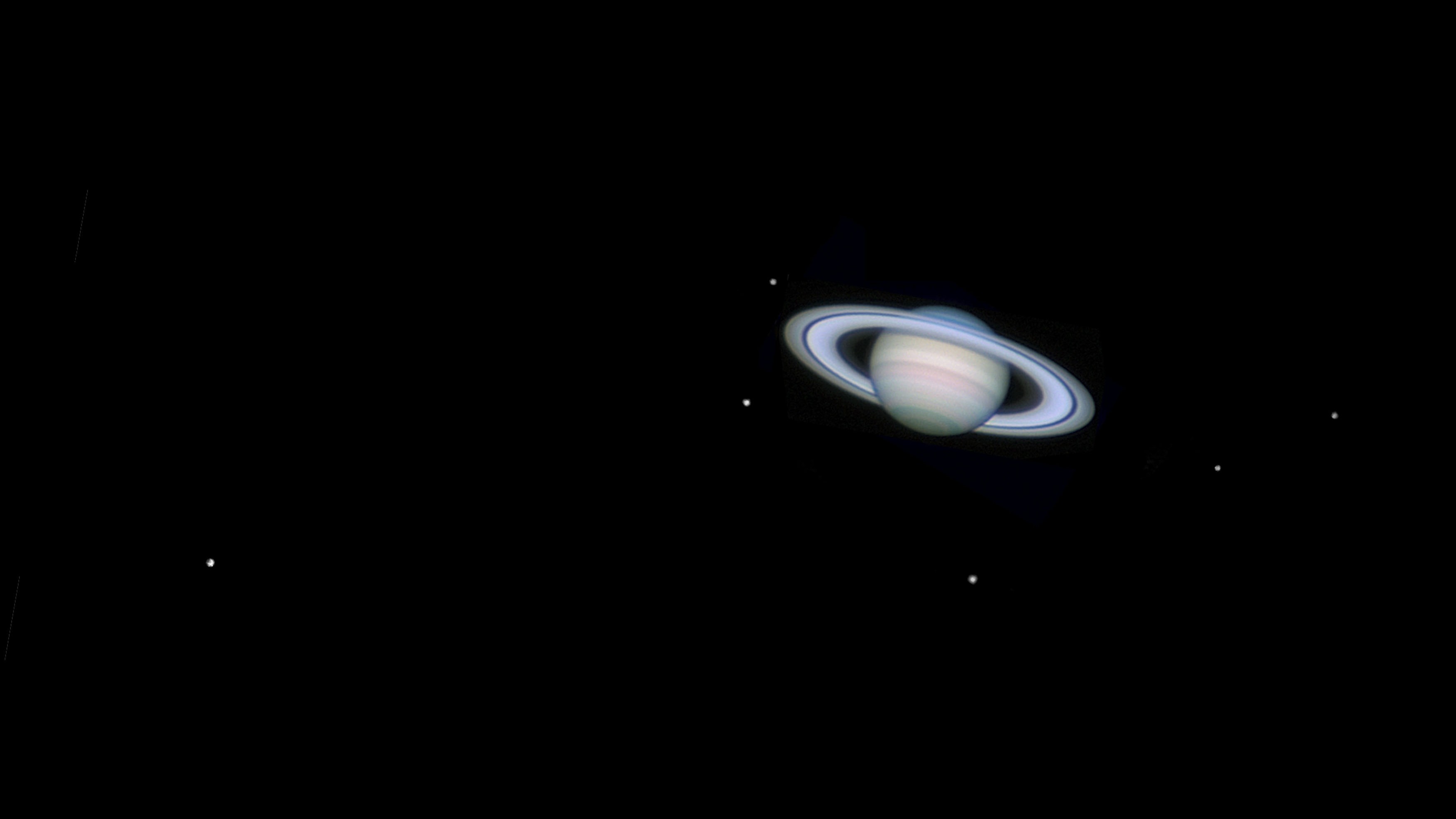
Constellation of the Week: Capricornus
As autumn approaches, the "Sea Goat" (Capricornus) emerges in the southern sky. While its stars are modest in brightness, it is a key seasonal marker. Located east of Sagittarius, Capricornus is best viewed from dark-sky locations, as its stars can easily be lost in the light pollution of urban environments. As it climbs higher in the evening, it serves as a harbinger of the changing season, signaling that the bright center of the summer Milky Way is beginning its slow retreat to the west.
Conclusion: Embracing the Imperfect
Whether it is the 96% coverage of a partial lunar eclipse or the subtle winking of a star behind a lunar crater, these astronomical events challenge us to value the process over the product. We do not need a perfect totality to appreciate the vast, moving machinery of the universe. In astronomy, as in life, it is often the "almost" that provides the most lasting, thoughtful, and profound experiences. The next time the sky fails to deliver the "headline" event you expected, take a moment to look closer. You might find that the near-miss was the point all along.