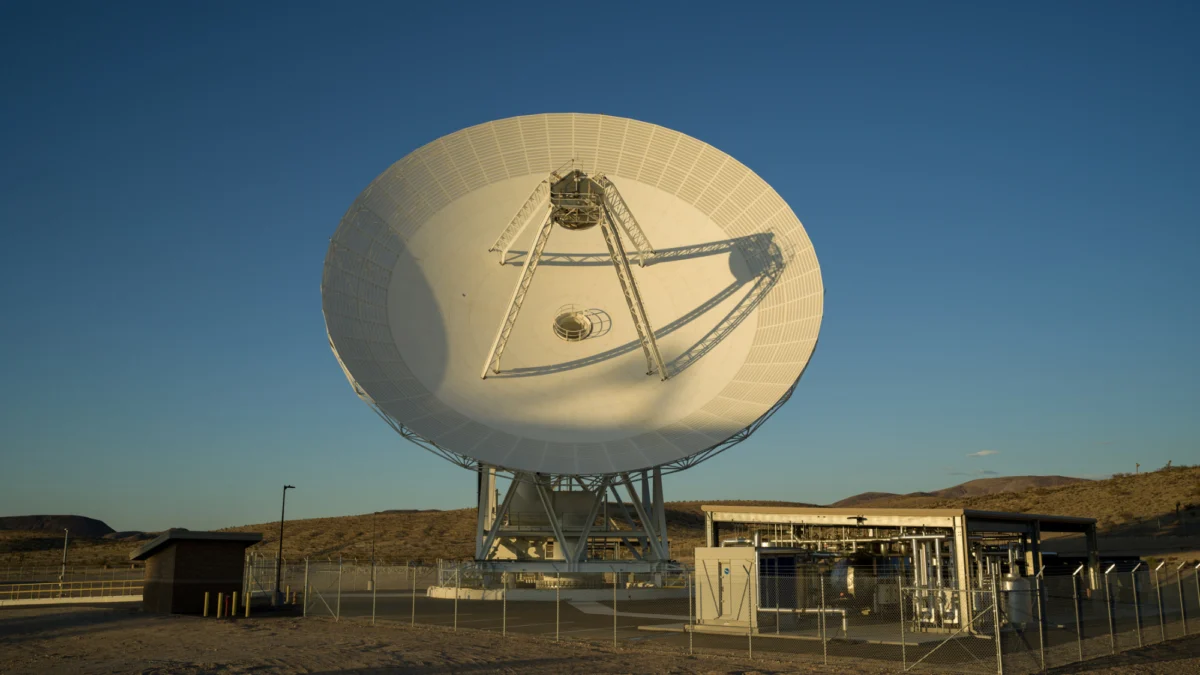
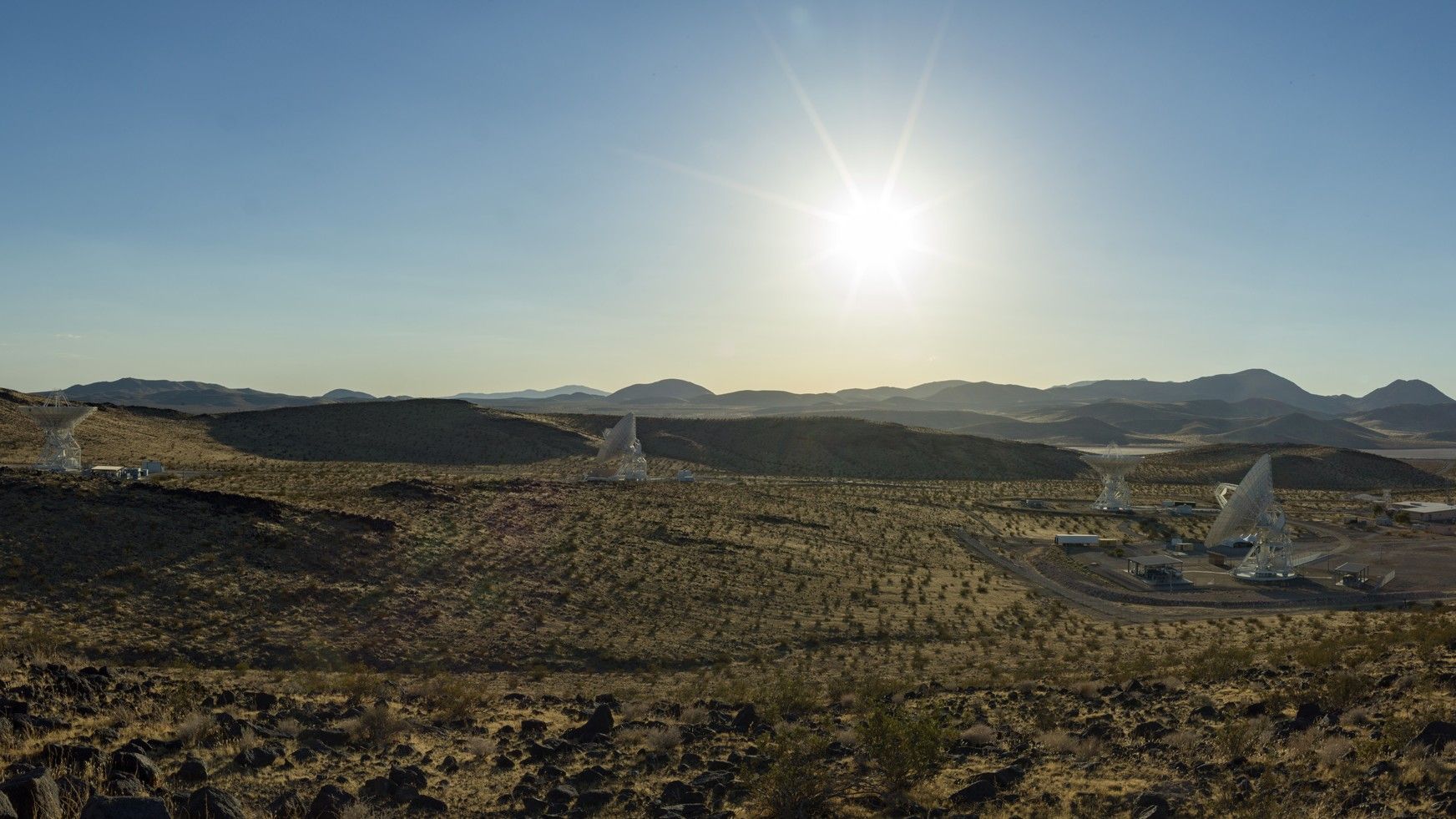
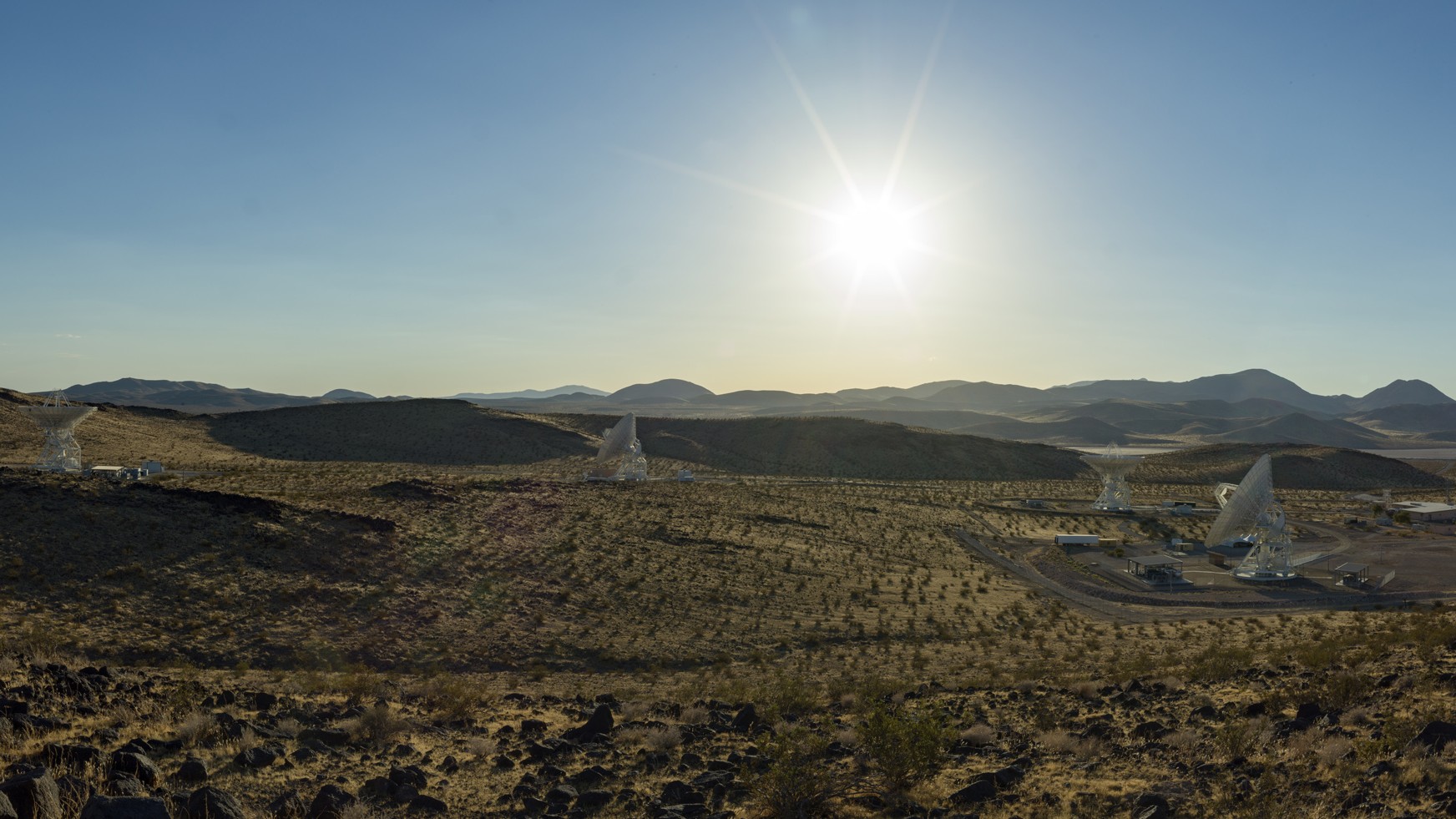
For decades, the silent, invisible bridge between Earth and the farthest reaches of the cosmos has been the Deep Space Network (DSN). It is the technological nervous system of humanity’s robotic and crewed exploration efforts, facilitating the transmission of images from Martian rovers, data from interstellar probes, and the critical telemetry of lunar missions. Recently, this essential infrastructure received a significant, long-awaited upgrade: the commissioning of a new 114-foot (34-meter) radio-frequency antenna at the Goldstone complex in California.
Known as Deep Space Station 23 (DSS-23), the antenna represents a vital step in bolstering the capacity of a network that has been pushed to its absolute limits. However, as NASA prepares for a new era of lunar and deep-space exploration, the activation of this hardware highlights a broader, more pressing struggle: how to manage a global communications backbone in an age where the volume of space traffic is increasing exponentially.
A Network Under Pressure: The "Gorilla in the Room"
The Deep Space Network, managed by NASA’s Jet Propulsion Laboratory (JPL), has historically been the gold standard for long-distance communication. Yet, its architecture is being strained by a "traffic jam" of mission requirements. Currently, more than 40 spacecraft—ranging from legacy probes like Voyager 1 and 2 to the modern Artemis lunar program—compete for time on the network’s limited number of antennas.
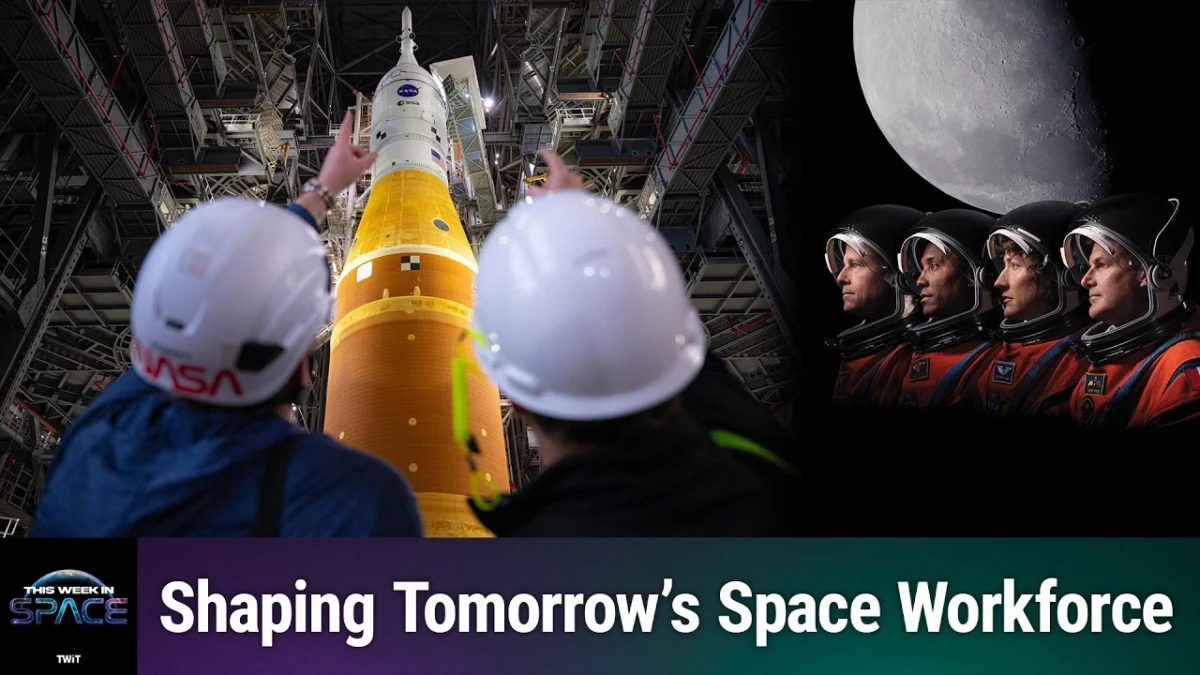
The challenge is not merely technological but logistical. During the Artemis 1 mission in 2022, and with the upcoming crewed Artemis 2 mission scheduled for 2026, the DSN was forced to prioritize these high-stakes human spaceflight missions. Because human safety is paramount, these missions effectively command a "priority lane," which forces robotic missions to endure reduced availability or total blackouts.
"We’re trying to add capacity and more antennas, but we can’t keep up with the demand that’s currently out there," said Brad Arnold, DSN manager at JPL, during a briefing regarding the network’s capacity. Arnold famously described the Artemis program as the "gorilla in the room." The necessity of maintaining constant, high-bandwidth contact with human crews means that, by default, other scientific missions must be deprioritized. This trade-off is an unavoidable reality of modern space exploration, yet it underscores a significant vulnerability in the agency’s current infrastructure.
Chronology: From Cold War Origins to the Modern Era
To understand the current state of the DSN, one must look back at its origins. The network was formally established in December 1963, though its roots trace back to 1958, when the U.S. Army managed early tracking stations in Nigeria, Singapore, and California.
- 1963: The formal establishment of the DSN as the primary infrastructure for deep-space missions.
- 1969: The DSN provided the critical relay for the Apollo 11 moonwalk, proving that global communication could bridge the gap between Earth and the Moon.
- 1990s: The network became the vital link for early Mars rover missions, transmitting the first high-resolution images of the Martian surface.
- 2010s: The DSN confirmed the historic milestones of Voyager 1 and 2 as they officially entered interstellar space, providing the final data packets from the furthest human-made objects in existence.
- 2009–Present: The commencement of the Aperture Enhancement Project, a multi-decade initiative to add six new 34-meter antennas to the network.
- 2024: The activation of DSS-23 at Goldstone, marking the fifth of the six planned enhancement antennas to come online.
The Architecture of the Deep Space Network
The DSN is not a singular point of failure; it is a distributed, global powerhouse consisting of three primary complexes located approximately 120 degrees of longitude apart. This configuration ensures that as the Earth rotates, at least one station is always in view of any given spacecraft in deep space.
These complexes are located at:
- Goldstone, California: Situated in the Mojave Desert, it is the home of the newly commissioned DSS-23.
- Madrid, Spain: Providing European coverage for the network.
- Canberra, Australia: Offering a critical vantage point for southern hemisphere tracking.
Each facility features a massive 230-foot (70-meter) antenna, which serves as the "big gun" for the most distant or data-heavy missions. The new 34-meter antennas, such as DSS-23, are smaller but offer more flexibility, acting as the workhorses for day-to-day operations and routine data collection. The inclusion of DSS-23, which successfully tracked the Chandra X-ray Observatory upon its debut on August 3, is a testament to the ongoing effort to balance legacy infrastructure with modern requirements.
Supporting Data and Financial Realities
The expansion of the DSN has been far from straightforward. The Aperture Enhancement Project, launched in 2009, has been plagued by significant delays and budget overruns. A 2015 report from the NASA Office of Inspector General highlighted the mounting pressure on the agency to modernize, but the fiscal reality was stark.
The original budget for the project was estimated at $362.4 million. However, by the start of the 2023 fiscal year, that cost had ballooned to $706 million—an increase of roughly 68%. Furthermore, the timeline has slipped by nearly five years. The final piece of this puzzle, the sixth antenna (DSS-33), is not expected to be operational at the Canberra complex until 2029. This delay reflects the immense complexity of building high-precision, deep-space communication hardware in remote environments.
Future Implications: Beyond the Moon
The pressure on the DSN is unlikely to dissipate anytime soon. As international space agencies grow their own portfolios of deep-space missions, the DSN is increasingly serving as a global utility rather than just a NASA tool. Furthermore, NASA’s long-term vision—a permanent Moon Base near the lunar south pole—requires a completely different communication paradigm.
The current DSN model, designed for intermittent contact with remote probes, may eventually be supplemented by a dedicated lunar network. NASA has suggested that the third phase of its Moon Base development will include a "coordinated lunar network," which would offload some of the traffic from the DSN. By creating a local communication relay around the Moon, the agency hopes to free up the DSN’s powerful antennas to focus on their primary purpose: long-range communication with the rest of the solar system.
Conclusion: A Delicate Balancing Act
The activation of DSS-23 is a victory for engineers and mission controllers who have been managing a strained network for years. However, it is only a partial solution to a much larger problem. As we look toward a future defined by a permanent human presence on the Moon and the continued exploration of the outer planets, the Deep Space Network remains the most critical, yet most fragile, link in the chain.
The lesson of the last decade is clear: while the technology of space exploration continues to advance with remarkable speed, the infrastructure required to support it requires equal investment and foresight. Without a robust and scalable communication network, the most sophisticated robotic and human missions are effectively blind and deaf. As the DSN continues its long-term expansion, the focus must remain on ensuring that this "lifeline" can handle not just the missions of today, but the complex, data-heavy exploration of tomorrow.