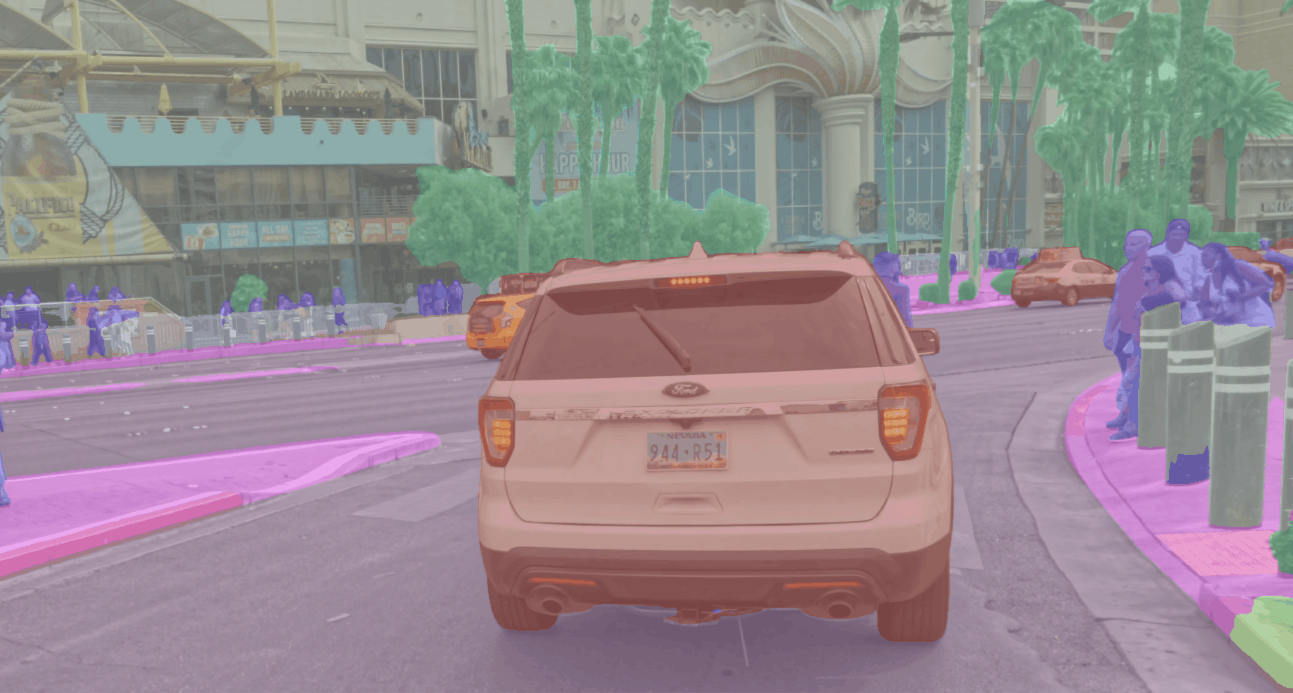
The global semiconductor landscape is witnessing a period of profound transformation, characterized by the aggressive pursuit of vertical integration and the race to dominate the "intelligent edge." In a move that could reshape the future of automotive architecture and AI-driven hardware, reports have surfaced that NXP Semiconductors is in advanced discussions to acquire Ambarella, a specialist in high-performance silicon for automotive driver assistance systems (ADAS) and edge AI vision processing.
This potential deal, if finalized, would represent more than a mere consolidation of two semiconductor giants; it would signify a fundamental shift in how the industry approaches the "software-defined vehicle" (SDV) and the broader ecosystem of connected, autonomous, and intelligent machines.
Main Facts: A Strategic Marriage of Power and Perception
At its core, the proposed acquisition is a strategic play to merge NXP’s dominance in automotive microcontrollers, power management, and wireless connectivity with Ambarella’s expertise in low-power, camera-centric AI processing.
NXP, a titan of the automotive chip sector, currently draws approximately 58% of its total revenue from the automotive industry, with a strategic roadmap that expects this figure to hover around 50% by 2026 as it expands into broader industrial and IoT sectors. Ambarella, by contrast, brings a specialized portfolio that is highly complementary. While often branded as an "automotive" firm, Ambarella’s portfolio spans security, robotics, and industrial automation—sectors where edge AI is rapidly becoming the gold standard.

The primary technological appeal for NXP lies in Ambarella’s ability to move complex computing closer to the sensor. In the transition to SDVs, vehicle architectures are moving away from scattered, discrete electronic control units (ECUs) toward centralized, high-performance domain controllers. By integrating Ambarella’s advanced system-on-chips (SoCs), NXP would significantly bolster its ability to offer comprehensive, multi-modal sensor fusion—a requirement for the next generation of autonomous driving and safety-critical vehicle systems.
Chronology of Ambarella’s Evolution
To understand the weight of this potential acquisition, one must look at the trajectory of Ambarella. Founded in 2004 by veterans of the semiconductor industry, Feng-Ming Wang and Les Kohn, the company gained early fame for its revolutionary video processing technology, which powered everything from early wearable action cameras to professional-grade security hardware.
- 2012: Ambarella goes public, cementing its reputation as a leader in video compression and image processing.
- Mid-2010s: The company pivots toward the automotive sector, focusing on the burgeoning market for ADAS, where its high-resolution video processing chips proved essential for lane-departure warnings and adaptive cruise control.
- 2020-2024: Recognizing that classical computer vision had limitations, Ambarella shifted its entire research and development focus toward edge AI. The company moved away from cloud-dependent models, instead designing silicon—such as its CV3-AD685 domain controller—capable of running complex Large Language Models (LLMs) and neural networks directly on the device.
- Mid-2025: Facing intense market competition and the high cost of R&D, Ambarella begins exploring strategic alternatives, including potential sale options.
- 2026: Reports emerge linking the firm to NXP Semiconductors, a move that aligns with the broader semiconductor industry trend of M&A consolidation to secure AI-ready intellectual property.
Supporting Data: The Case for Synergy
The financial and technical rationale behind the deal is rooted in the shifting economics of the chip industry. With a market valuation hovering near $3.3 billion, Ambarella represents a significant, yet manageable, asset for a giant like NXP.
However, the "automotive" tag is perhaps a misnomer for Ambarella’s actual revenue stream. Only 22% of the company’s income is directly tied to the automotive sector. The remaining 78% is generated from a diverse array of consumer, industrial, and security video applications. This diversification is exactly what makes the company an attractive target for NXP.

The Edge AI Imperative
NXP’s own strategic investments underscore the necessity of this deal. In October 2025 alone, NXP spent over $550 million acquiring Aviva Links and Kinara, companies focused on connectivity and AI hardware respectively. These moves indicate that NXP is building an end-to-end stack for embedded intelligence.
Consider the partnership Ambarella signed with the Hanwha Group in May 2026. Valued at $800 million, the deal involves the integration of Ambarella’s SoCs across Hanwha’s entire product line, including robotics and life sciences. For NXP, acquiring Ambarella is not just about upgrading the "car of the future"; it is about acquiring a plug-and-play AI ecosystem that can be deployed across NXP’s massive existing footprint in the industrial and IoT markets.
Official Responses and Market Context
As of this writing, both NXP Semiconductors and Ambarella have maintained a position of strategic silence, declining to comment on the Financial Times report. In the semiconductor industry, this "no comment" stance is standard during the sensitive phase of negotiations, particularly when a company like Ambarella is actively evaluating its future against the backdrop of an unprofitable balance sheet.
Industry analysts suggest that Ambarella’s struggle for profitability—a state not expected to change for at least three years—is a primary driver of these talks. The cost of tape-outs for advanced nodes and the immense R&D required to keep pace with AI-heavyweights like Qualcomm and Nvidia is prohibitive for mid-sized firms. For Ambarella, being part of a larger entity like NXP provides the financial runway to continue its AI roadmap without the constant pressure of quarterly earnings volatility.

Implications: The Future of the Intelligent Edge
The implications of an NXP-Ambarella merger are far-reaching.
1. The Death of the "Dumb" Sensor
For decades, automotive sensors were simple data collectors, sending raw information to a central processor. The combination of NXP and Ambarella suggests a future where sensors are "intelligent"—capable of local inference, pre-processing data, and filtering noise before it ever reaches the central compute unit. This reduces latency, saves bandwidth, and is critical for the safety-redundancy requirements of Level 4 and Level 5 autonomous vehicles.
2. Multi-Modal Sensor Fusion
NXP is already a leader in radar and connectivity. By adding Ambarella’s sophisticated video-processing AI, NXP would be able to offer a truly "multi-modal" fusion platform. This would allow automakers to buy a unified compute and perception solution, streamlining the supply chain and reducing the software integration burden that currently plagues the automotive industry.
3. Consolidation as a Survival Strategy
The acquisition would confirm that the "AI Gold Rush" in the semiconductor industry is moving into a phase of consolidation. Smaller, specialized firms that cannot scale their AI silicon production are becoming prime targets for larger, well-capitalized firms looking to "buy" their way into the AI era rather than "build" from scratch.

4. Beyond the Road
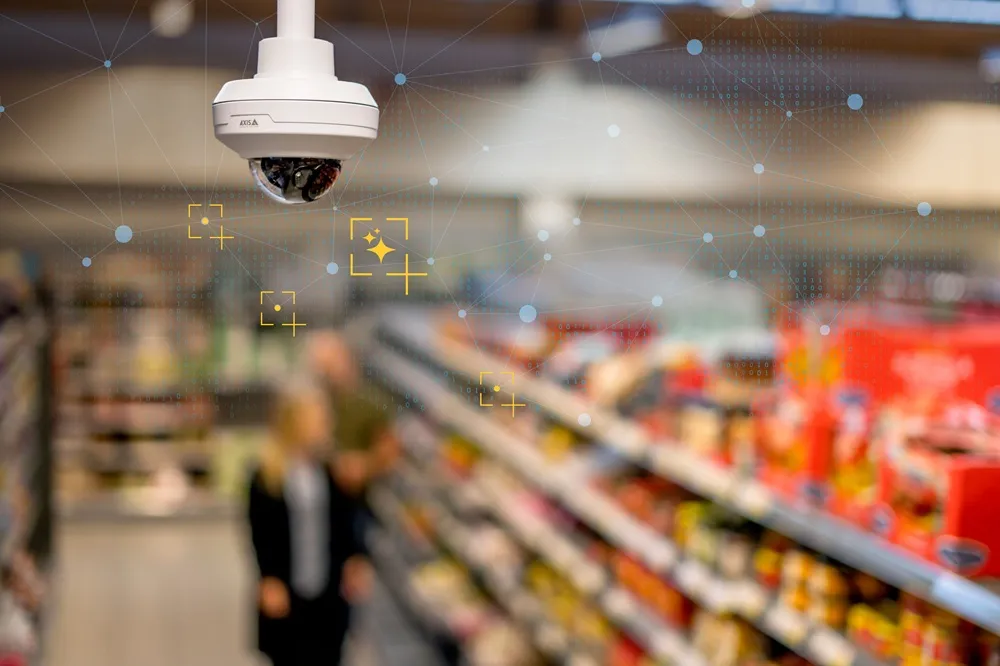
While the automotive angle is the most visible, the industrial implications are equally significant. If NXP integrates Ambarella’s edge AI capabilities, it could revolutionize the "Industrial Internet of Things" (IIoT). From robotic arms in factories that can "see" and adjust to human movement in real-time, to security cameras that can perform complex behavior analysis at the edge without cloud connectivity, the potential for non-automotive revenue is massive.
Conclusion
The potential acquisition of Ambarella by NXP Semiconductors represents a defining moment for the future of edge computing. It is a calculated wager on the fact that the next generation of technology—whether it be a self-driving car, a factory robot, or a security camera—will be defined by its ability to process information at the source.
While the deal remains speculative, the market logic is undeniable. For NXP, the acquisition would be a masterstroke of vertical integration, securing the silicon and software talent necessary to stay ahead in the AI-driven era. For Ambarella, it provides the stability and scale required to see its vision of ubiquitous edge AI reach its full potential. As the semiconductor industry continues its rapid evolution, one thing is certain: the era of the intelligent edge has arrived, and it is being built on the back of such strategic alliances.