By Science Correspondent
In a high-stakes demonstration of its growing aerospace prowess, the Indian Space Research Organisation (ISRO) is set to execute a critical mission today, September 3, 2026. The GSLV-F17 mission, carrying the advanced EOS-05 Earth-observation satellite, represents a pivotal moment for the nation’s space program. Launching from the Satish Dhawan Space Centre, the mission aims to place a sophisticated imaging satellite into a precise geosynchronous orbit (GEO)—a feat that has eluded the agency in previous attempts and one that promises to fundamentally alter India’s surveillance and environmental monitoring capabilities.
The Mission: A New Eye in the Sky
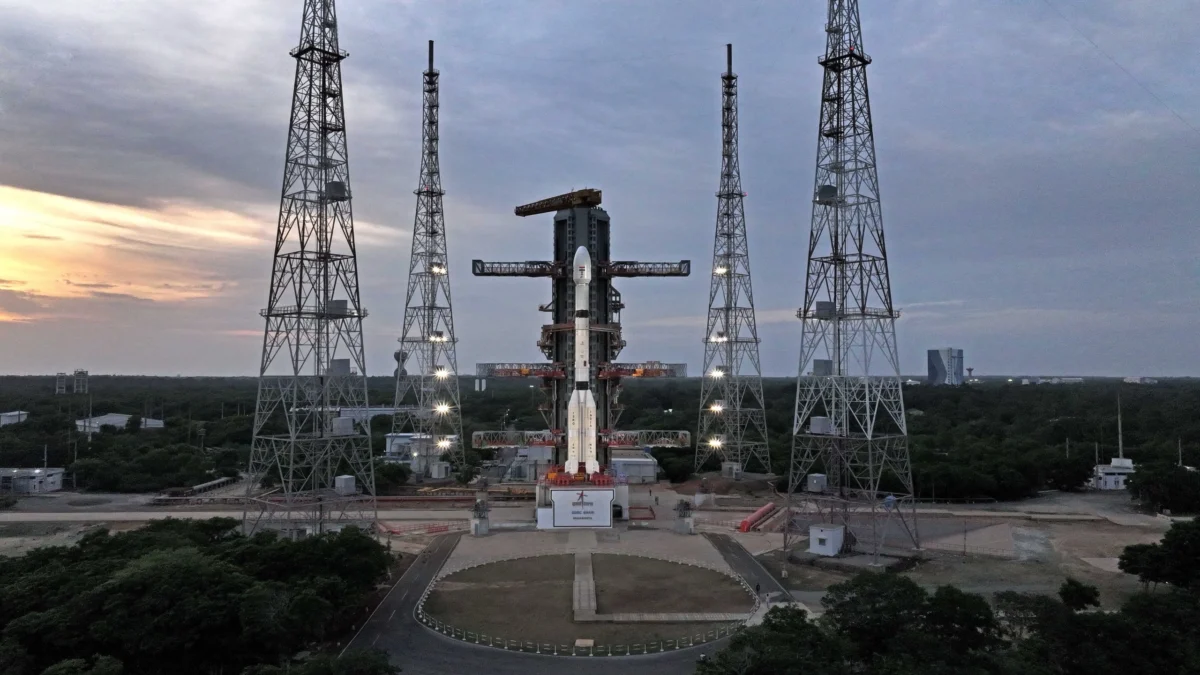
At 5:25 p.m. EDT (2:55 a.m. IST on September 4), the GSLV Mark II rocket is scheduled to thunder into the skies above Sriharikota. This three-stage launch vehicle, a workhorse of the Indian fleet, stands 170 feet (52 meters) tall and carries the 5,218-pound (2,367-kilogram) EOS-05 spacecraft.
The primary objective of this mission is the successful deployment of EOS-05 into geosynchronous orbit, located approximately 22,236 miles (35,786 kilometers) above the Earth’s surface. Unlike low-Earth orbit (LEO) satellites that zip across the horizon in mere minutes, a satellite in GEO matches the rotational speed of our planet. This allows the spacecraft to maintain a fixed, "hovering" position over a specific longitudinal sector, providing persistent, real-time coverage of the Indian subcontinent.
"EOS-05 is a state-of-the-art Earth observation spacecraft," ISRO officials noted in the official mission briefing. "It represents a significant leap in our ability to maintain continuous surveillance, serving both critical civilian requirements and national security interests."
A Challenging History: The Path to Geosynchronous Success
The road to this mission has been paved with both triumph and disappointment. India’s experience with geosynchronous imaging is marked by a significant setback that occurred in August 2021, when a previous iteration of this mission—the launch of the EOS-03 satellite—ended in failure. During that flight, an anomaly in the GSLV Mark II’s cryogenic third stage prevented the vehicle from achieving the necessary orbital velocity, resulting in the loss of the satellite.
Since that sobering event, ISRO has conducted an exhaustive review of the GSLV architecture. The vehicle has since demonstrated remarkable resilience, rebounding with a string of four consecutive successful missions. This current streak has restored confidence among engineers and stakeholders, turning the GSLV-F17 flight into a "redemption mission" of sorts.
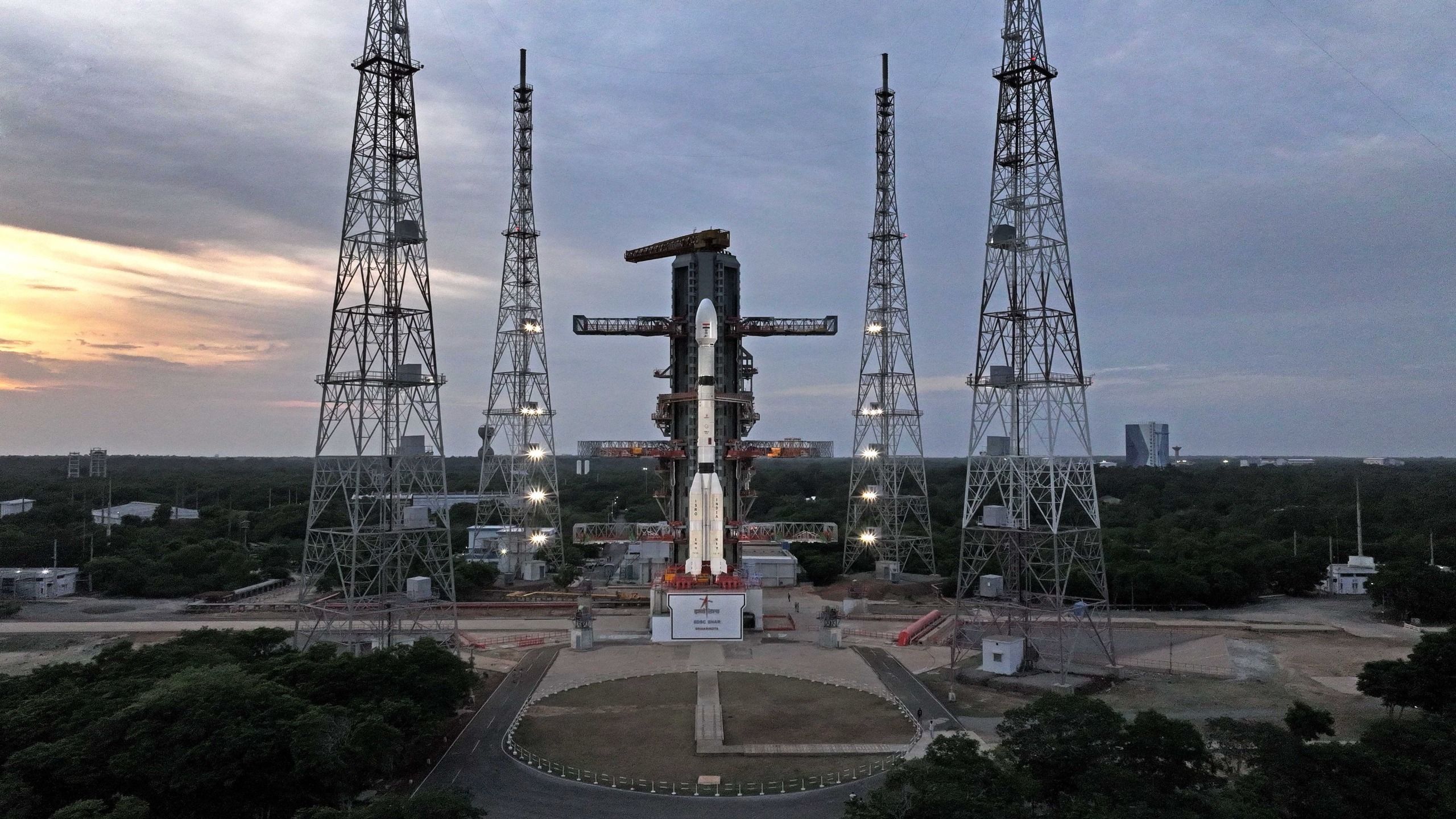
The GSLV Mark II, which debuted in 2010, has served as a cornerstone of India’s heavy-lift capabilities. While its predecessor, the GSLV Mark I, suffered through early development hurdles—including two notable failures in its six-flight lifespan—the Mark II has refined the cryogenic technology necessary to reach the high-energy orbits required for modern communications and advanced imaging.
Technical Specifications and Orbital Mechanics
The mission profile for GSLV-F17 is exceptionally demanding. Placing a payload of over 5,000 pounds into a precise geosynchronous slot requires pinpoint accuracy from all three stages of the launch vehicle.
- The First Stage: Powered by a solid-fuel motor supported by four liquid-fueled "strap-on" boosters, this stage provides the initial, massive thrust required to break free from the Earth’s gravitational well.
- The Second Stage: Utilizing liquid propellants, this stage manages the mid-flight trajectory, steering the vehicle into the upper atmosphere.
- The Third Stage (Cryogenic Engine): This is the heart of the mission. The cryogenic upper stage uses liquid hydrogen and liquid oxygen, providing the high specific impulse needed for the final, delicate maneuver of circularizing the orbit at 35,786 kilometers.
Should the cryogenic stage ignite and burn for the scheduled duration, the EOS-05 will be released into a slot that allows it to monitor the entirety of the Indian subcontinent. This persistent coverage is essential for tracking rapid-onset natural disasters, such as cyclones or flash floods, as well as providing high-resolution monitoring of border regions.
Strategic Implications: Security and Development
The deployment of EOS-05 carries heavy weight in the geopolitical arena. According to reports from The Economic Times, the satellite is designed with dual-use capabilities, serving both civilian disaster management and military reconnaissance.
"The ability to maintain persistent coverage could support monitoring of the Indian subcontinent, including remote border areas, strategic assets, and severe weather events," analysts noted. By maintaining a constant "eye" on sensitive regions from a distance of 36,000 kilometers, the Indian government expects to drastically improve its situational awareness.
Beyond security, the civilian applications are vast. India is a country highly susceptible to the effects of climate change, including shifting monsoon patterns and extreme weather. A satellite in GEO can provide meteorologists with unprecedented temporal resolution, allowing for better tracking of cloud formations and moisture movement, which are essential for agricultural planning in a country where the economy remains deeply tied to seasonal rainfall.
The Broader Landscape of Indian Spaceflight in 2026
The GSLV-F17 mission follows a turbulent start to the 2026 spaceflight calendar for India. The year began with a high-profile failure in January, when the Polar Satellite Launch Vehicle (PSLV) failed to deliver 16 satellites to their intended orbits. However, the private sector has provided a silver lining; in July, Skyroot Aerospace successfully executed India’s first-ever private orbital launch with its Vikram-1 rocket, signaling a shift toward a more robust, commercialized space industry.
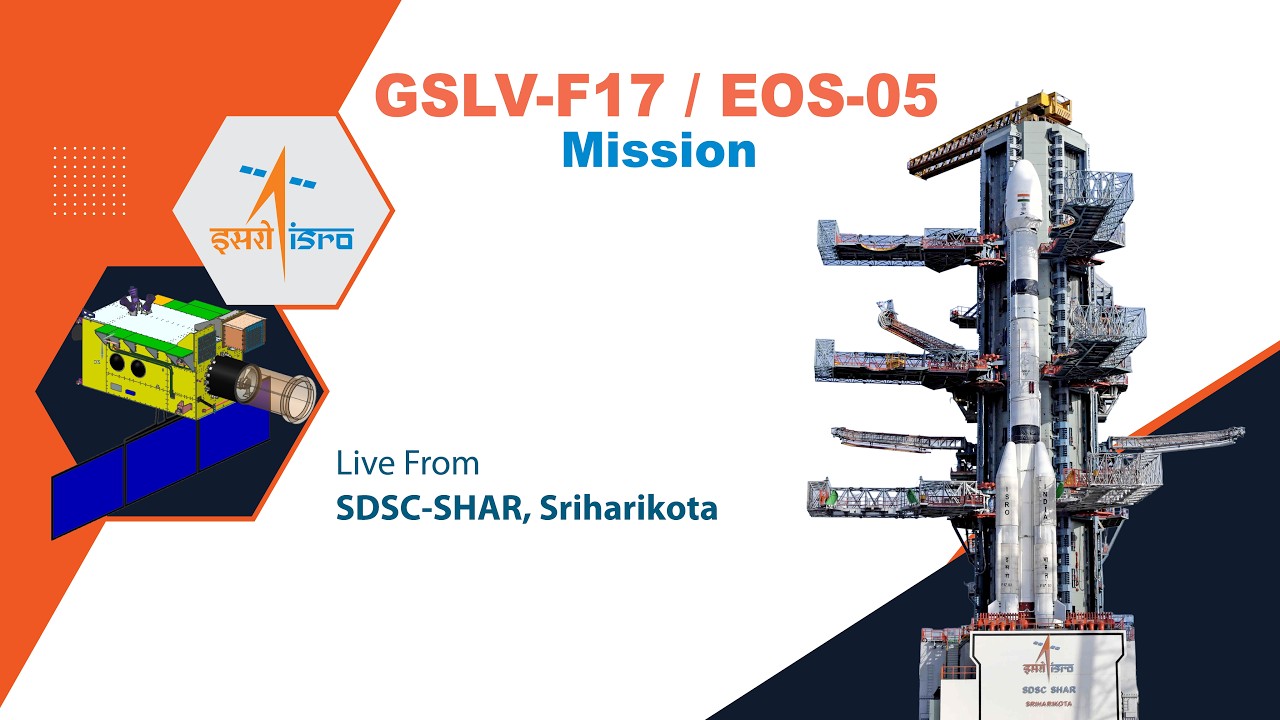
As ISRO prepares for today’s launch, the eyes of the global space community are fixed on the Satish Dhawan Space Centre. A success would not only validate the GSLV Mark II’s reliability but also cement India’s status as one of the few nations capable of placing heavy, sophisticated imaging hardware into the demanding geosynchronous environment.
How to Witness History
ISRO has made the launch accessible to a global audience. Coverage of the countdown and liftoff will be broadcast live, with the stream commencing 30 minutes before the scheduled ignition.
Watch Details:
- Event: GSLV-F17/EOS-05 Mission
- Launch Time: 5:25 p.m. EDT (Sept 3) / 2:55 a.m. IST (Sept 4)
- Where to Watch: Live coverage is available via the official ISRO YouTube channel and through authorized aerospace media partners, including Space.com.
As the countdown reaches its final minutes, the focus shifts to the performance of the cryogenic engine—a piece of technology that has been the site of both failure and triumph for India. For the scientists and engineers at ISRO, today is the culmination of years of analysis, testing, and preparation. For the nation, it is a significant step toward total autonomy in the high-altitude observation of its own borders and its climate future.
Whether the GSLV-F17 achieves the precision required for its high-orbit mission remains to be seen, but the stakes could not be higher. A successful deployment of EOS-05 will provide India with a permanent, silent guardian in the sky, watching over its interests with unblinking vigilance.