In the vast, unforgiving expanse of deep space, survival is not a given—it is a logistical triumph. For those who have ever looked at the stars and wondered what it would take to build a vessel capable of traversing the cosmos, The Last Starship offers an answer that is as rewarding as it is demanding. Developed by Introversion Software, the studio behind the cult-classic hit Prison Architect, this title has emerged from a lengthy early-access period to cement itself as a standout experience in the genre of space simulation and construction.
Since its official 1.0 release on February 6, 2026, The Last Starship has invited players to trade their terrestrial concerns for the high-stakes life of an interstellar captain. Whether you are managing a fledgling shipping conglomerate or fending off marauding space pirates, the game provides a masterclass in the art of the "doomsday prepper" mindset, where every canister of oxygen and every unit of fuel must be accounted for.
The Evolution of an Indie Titan: A Chronological Overview
The journey of The Last Starship is a testament to the benefits of the iterative development model. Introversion Software, known for their unique ability to blend complex systems with intuitive design, first introduced the project to the public nearly three years ago.
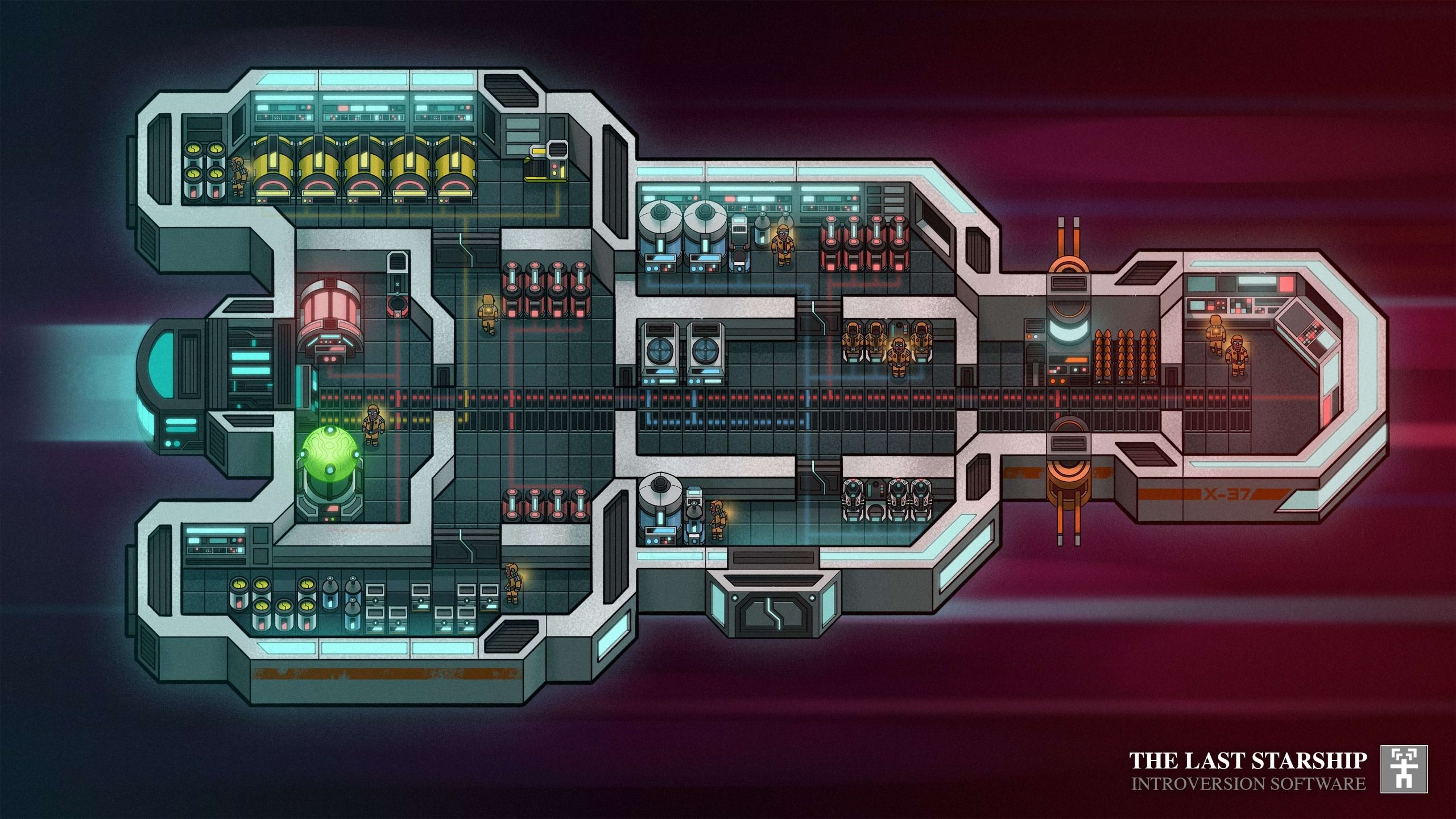
- Early Development (2023–2025): Throughout the early access phase, the developers focused on building the core engine—a robust, grid-based construction system that allows players to design ships from the hull up. Frequent updates introduced critical systems, including life support, propulsion, and tactical weapon arrays.
- The 1.0 Milestone (February 2026): The full release marked the transition from a "sandbox experiment" to a fully featured simulation. By this stage, the game boasted a stable economy, a procedurally generated galaxy map, and a diverse range of mission types, ranging from simple cargo transport to high-stakes salvage operations.
- Post-Launch Support: Since February 2026, the development team has maintained an aggressive patch schedule, refining the UI and adding layers of depth to the combat mechanics, ensuring that the title remains relevant in a crowded market of space-themed games.
Core Mechanics: Architecture, Engineering, and Logistics
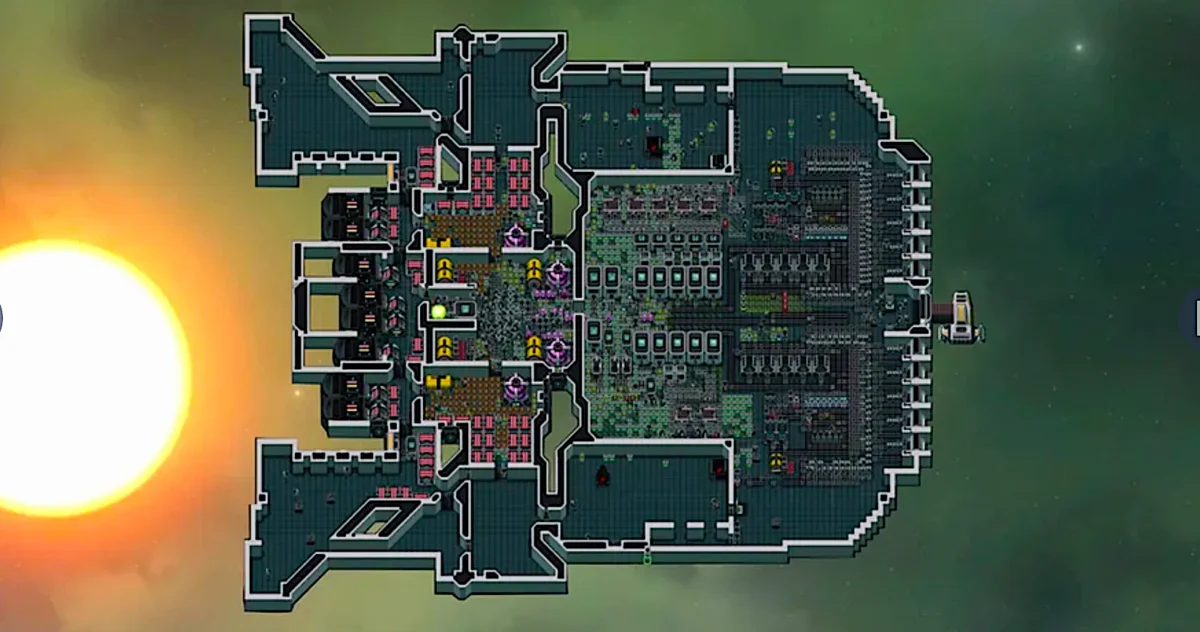
At its heart, The Last Starship is a game about the intersection of creativity and pragmatism. Players do not merely fly ships; they architect them. The building process requires an understanding of structural integrity and system synergy.
The Construction Suite
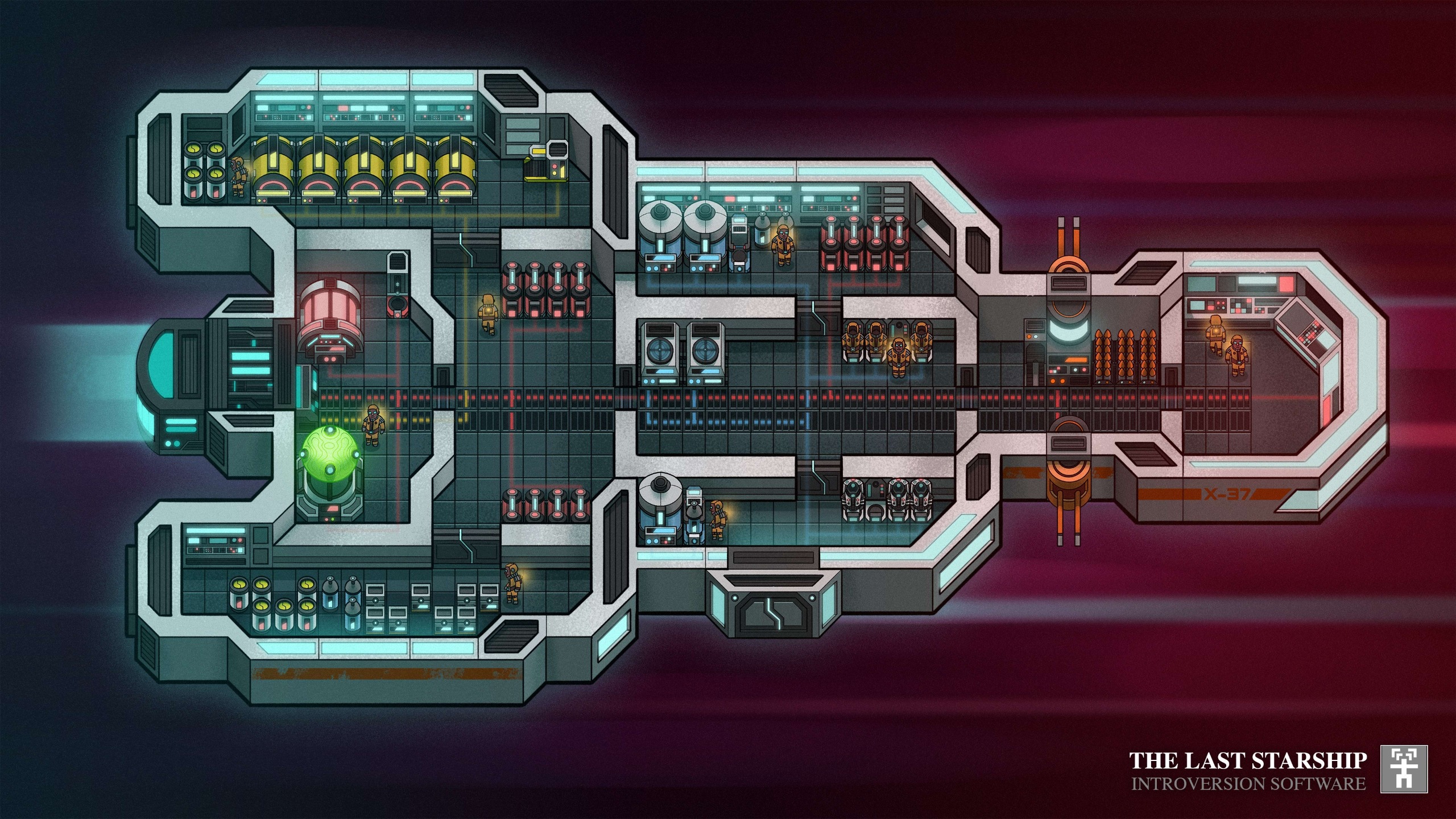
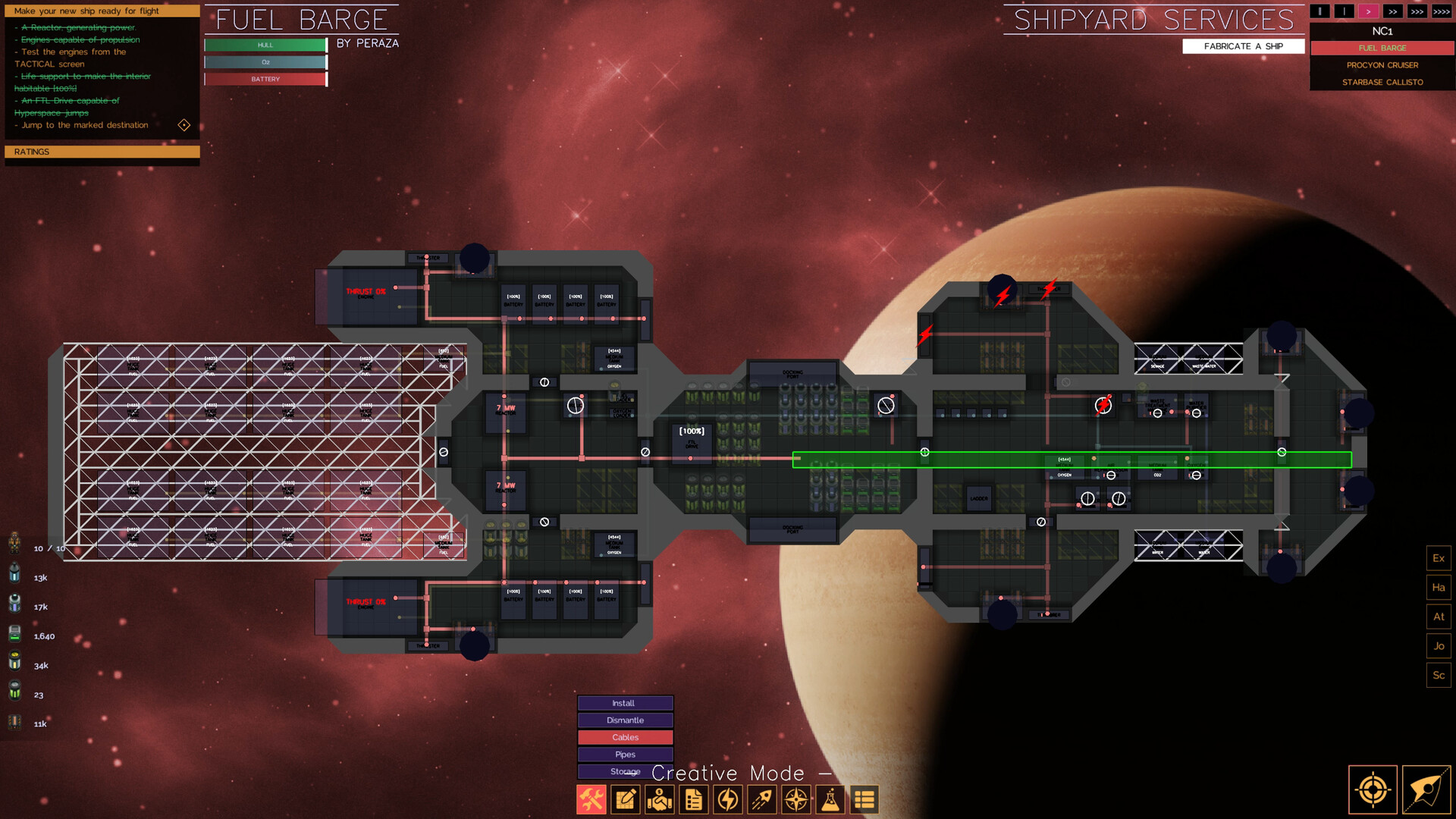
The shipbuilding phase is perhaps the most addictive element of the game. Players begin by selecting a chassis—the skeletal framework of their future home in the stars. From there, the process is one of modular expansion. You must decide where to place the reactor, how to route oxygen scrubbers, and where to install thrusters to ensure the ship can actually maneuver.
This is not just an aesthetic choice. If your fuel lines are exposed to the hull’s exterior, a single stray shot from a pirate’s laser can turn your dream vessel into a floating coffin. The game forces players to think like engineers, balancing weight, power consumption, and tactical defense.
The Logistics of Survival
Once your ship is spaceworthy, the game shifts into a simulation of management. You are not just a pilot; you are a CEO. You must manage:
- Resource Management: Keeping the crew fed and the oxygen flowing is the absolute baseline for survival.
- Financial Stewardship: Whether you are running a passenger shuttle service or mining volatile asteroids, the economy is unforgiving. Profits must be reinvested into better hulls, faster engines, and more sophisticated weaponry.
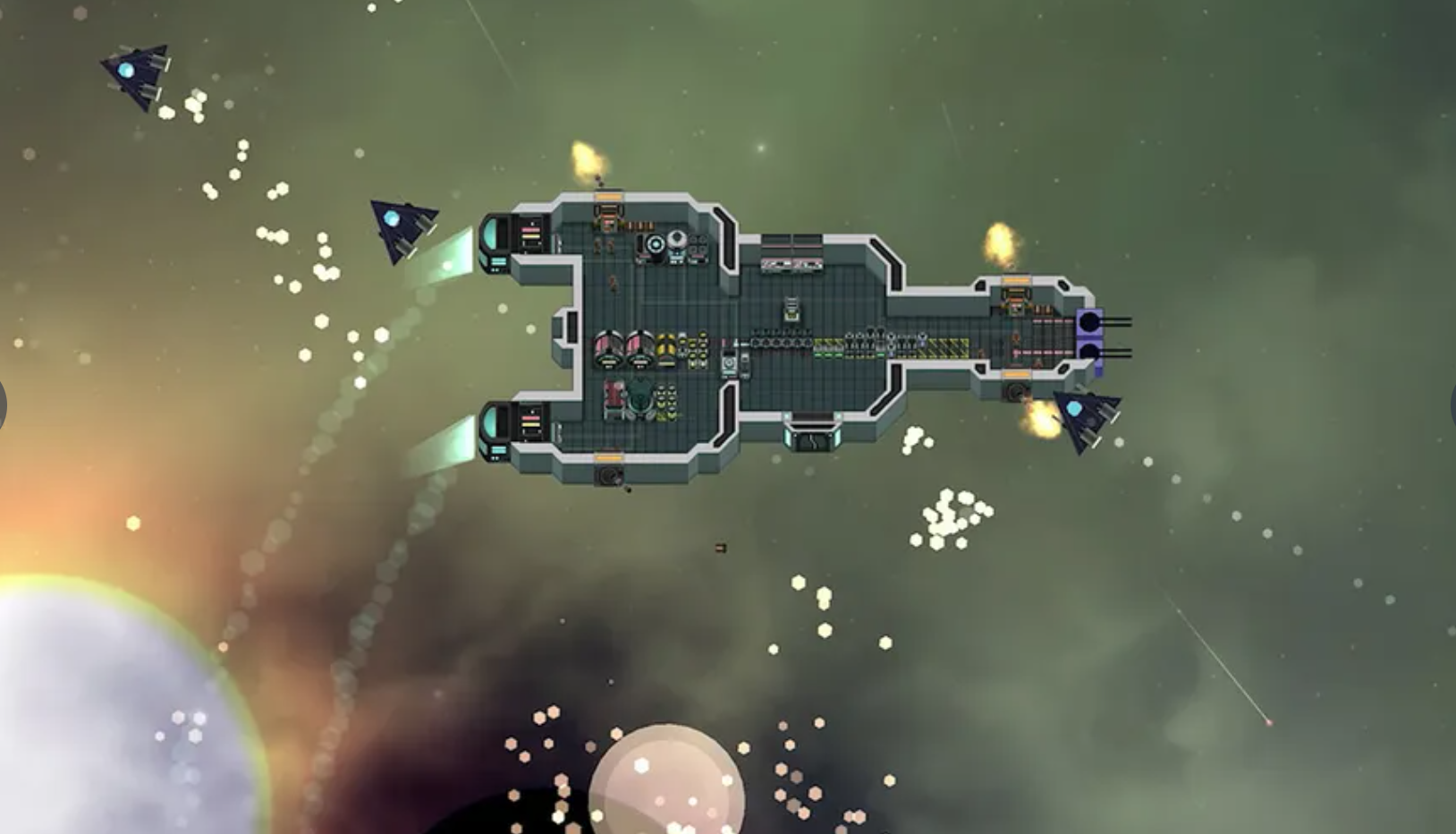
- Tactical Awareness: The universe is hostile. Between meteor showers and aggressive pirate factions, your ability to deploy drones and manage weapon systems in real-time is the difference between a successful trade run and becoming space dust.
Supporting Data: Why It Resonates with Players
What sets The Last Starship apart from other titles in the space-sim genre, such as Elite Dangerous or Starfield, is its focus on the "small-scale" industrial feel. While other games emphasize grand scale and cinematic narrative, The Last Starship emphasizes the "blue-collar" aspect of space travel.
Internal player metrics and community feedback indicate that the game’s primary draw is its "meditative" loop. The act of building a ship, launching it, and watching it function in the cold, 2D void offers a sense of satisfaction that is rare in modern gaming. The procedural generation ensures that no two sectors are the same, providing a replayability factor that keeps the player base engaged long after the initial ship construction is complete.
Official Perspectives: The Philosophy of Introversion
Introversion Software has long championed the idea that systems-based gameplay creates the most compelling narratives. By giving players the tools to build, they allow players to create their own "accidental" stories.
In discussions surrounding the game’s design philosophy, the developers have emphasized that they wanted to capture the feeling of working within constraints. In a vacuum, there is no room for error. By forcing players to manage the minutiae—the layout of the hallways, the placement of the fire extinguishers, the efficiency of the power grid—the game naturally builds tension. When a fire breaks out in the engine room, it is not a scripted "event"; it is a failure of your design that you must now troubleshoot in real-time.
The Implications: A New Benchmark for 2D Simulation
The success of The Last Starship has broader implications for the indie space-simulation market. It proves that there is still a massive, hungry audience for 2D, top-down strategy games that do not rely on high-fidelity 3D graphics to deliver an immersive experience.
The "F.T.L." Factor
Many critics have compared the game to Faster Than Light (FTL), and for good reason. Both games understand the importance of internal ship management. However, The Last Starship takes this a step further by allowing the player to physically construct the ship, rather than simply managing pre-existing systems. This adds a layer of personal investment; when your ship gets hit, you care because you designed that specific hull segment and installed that specific conduit.
Future Potential
While the game is currently polished and content-rich, there are areas for growth. Some veteran strategy players have noted that the "late game" could benefit from more complex logistical challenges. As the player accumulates wealth, the game becomes significantly easier, suggesting that future updates might need to introduce greater systemic threats or more complex economic variables to keep veteran captains on their toes.
Conclusion: A Must-Play for Space Enthusiasts
The Last Starship is more than just a game; it is an exercise in interstellar preparation. It challenges players to be architects, engineers, and commanders all at once. Whether you are a fan of The Expanse and its focus on realistic, "hard" science-fiction combat, or you simply enjoy the quiet, methodical process of building something from the ground up, this title offers an experience that is hard to put down.
For those on the fence, the availability of a free demo makes the barrier to entry non-existent. It is a rare game that manages to be simultaneously relaxing and heart-pounding—a perfect fit for any library. As the universe continues to expand with new contracts, missions, and hazards, one thing remains clear: in the dark reaches of space, your survival depends entirely on the planning you do before you leave the dock.
The Last Starship is currently available on Steam, the Humble Store, and GOG for both Windows and macOS. If you have ever felt the urge to build your own destiny among the stars, your station awaits.