Two weeks after completing a historic splashdown in the Indian Ocean, the upper stage of SpaceX’s massive Starship rocket—the largest and most powerful launch vehicle ever constructed—remains adrift, its future increasingly uncertain. While the 171-foot (52-meter) vessel proved its structural integrity by surviving a high-velocity return from orbit, the logistical reality of retrieving such a gargantuan piece of hardware from the open sea has proven to be an unforeseen hurdle for the aerospace giant.
SpaceX CEO Elon Musk cast a pall of doubt over the recovery mission on Wednesday, August 7, admitting that while the company has managed to secure invaluable data, bringing the vehicle safely to port is looking increasingly unlikely.
The Chronology of Flight 13: From Starbase to Sea
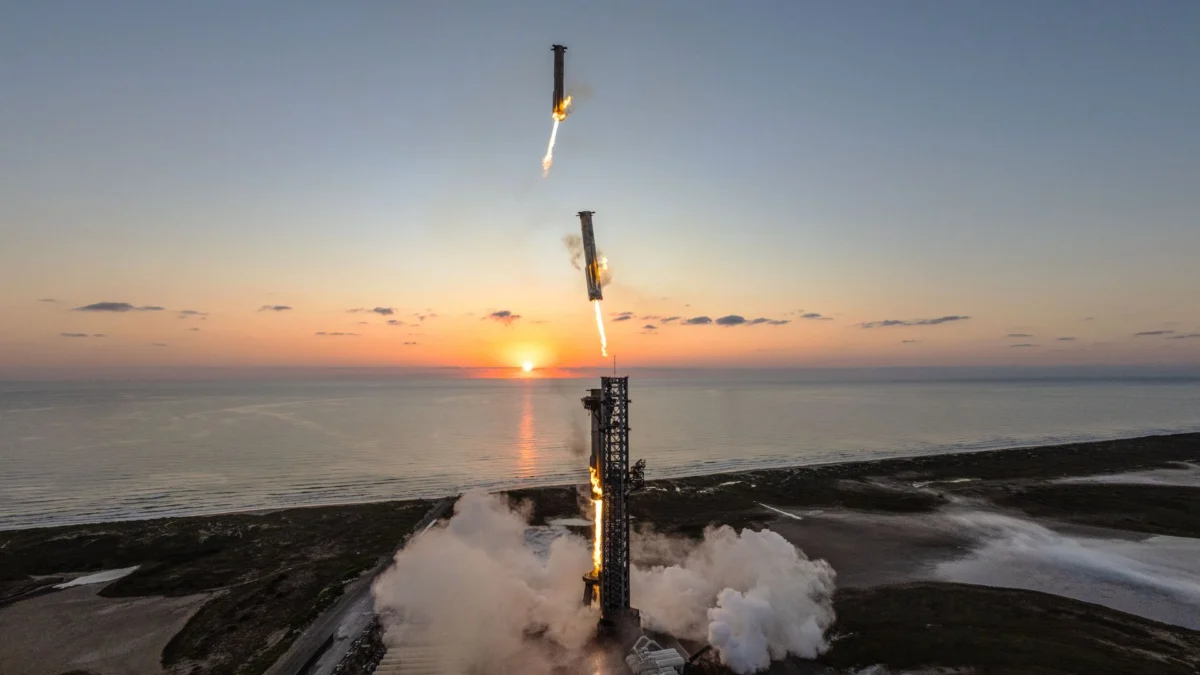
The saga began on July 24, when the Starship system roared to life at SpaceX’s Starbase facility in South Texas. This 13th test flight served as a critical benchmark for the company’s push toward rapid, full reusability—a capability Musk describes as the "holy grail" of space exploration.
The flight profile mirrored previous iterations: the Super Heavy booster performed its maneuvers before settling into the Gulf of Mexico, while the upper stage, known as "Ship," executed a suborbital trajectory. During this phase, the vehicle reached the edge of space and successfully deployed 20 next-generation Starlink V3 satellites. This milestone served as a proof-of-concept for the future, demonstrating that Starship is not merely an experimental craft, but a functional delivery system for the company’s burgeoning internet constellation.
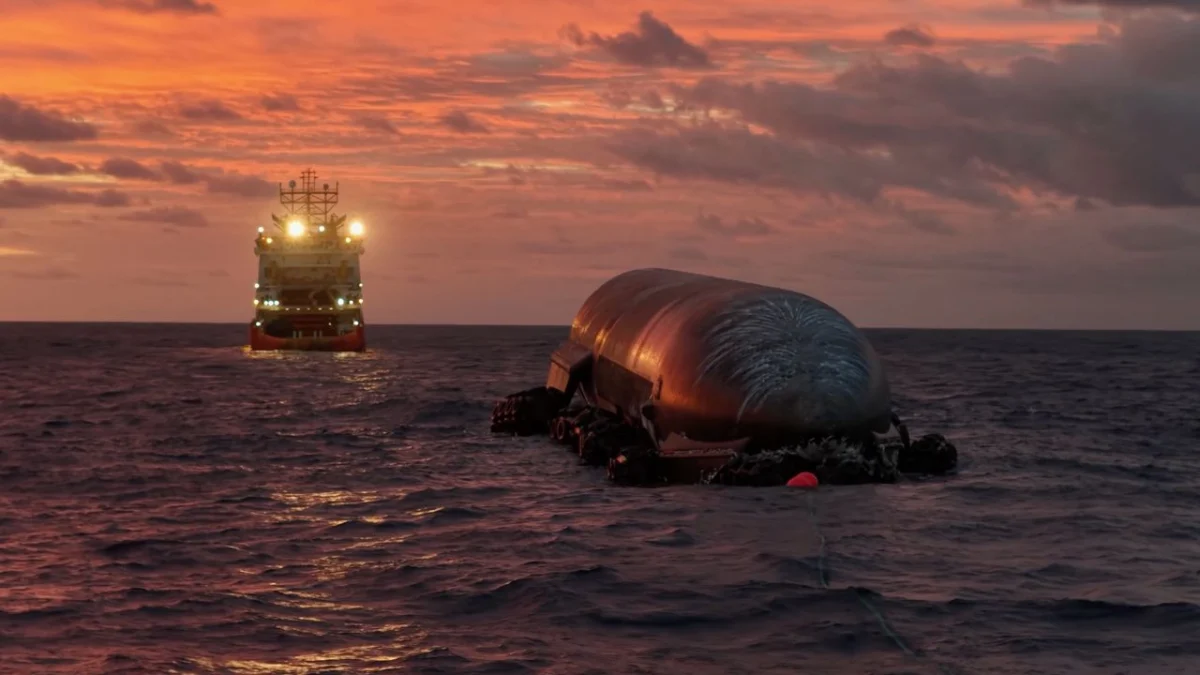
Following the deployment, the Ship re-entered the atmosphere. In a development that surprised engineers and enthusiasts alike, the vehicle did not disintegrate or suffer catastrophic structural failure upon impact with the Indian Ocean. Instead, it remained largely intact, even after toppling over and absorbing the kinetic energy of the waves.
The Recovery Effort: A Battle Against the Elements
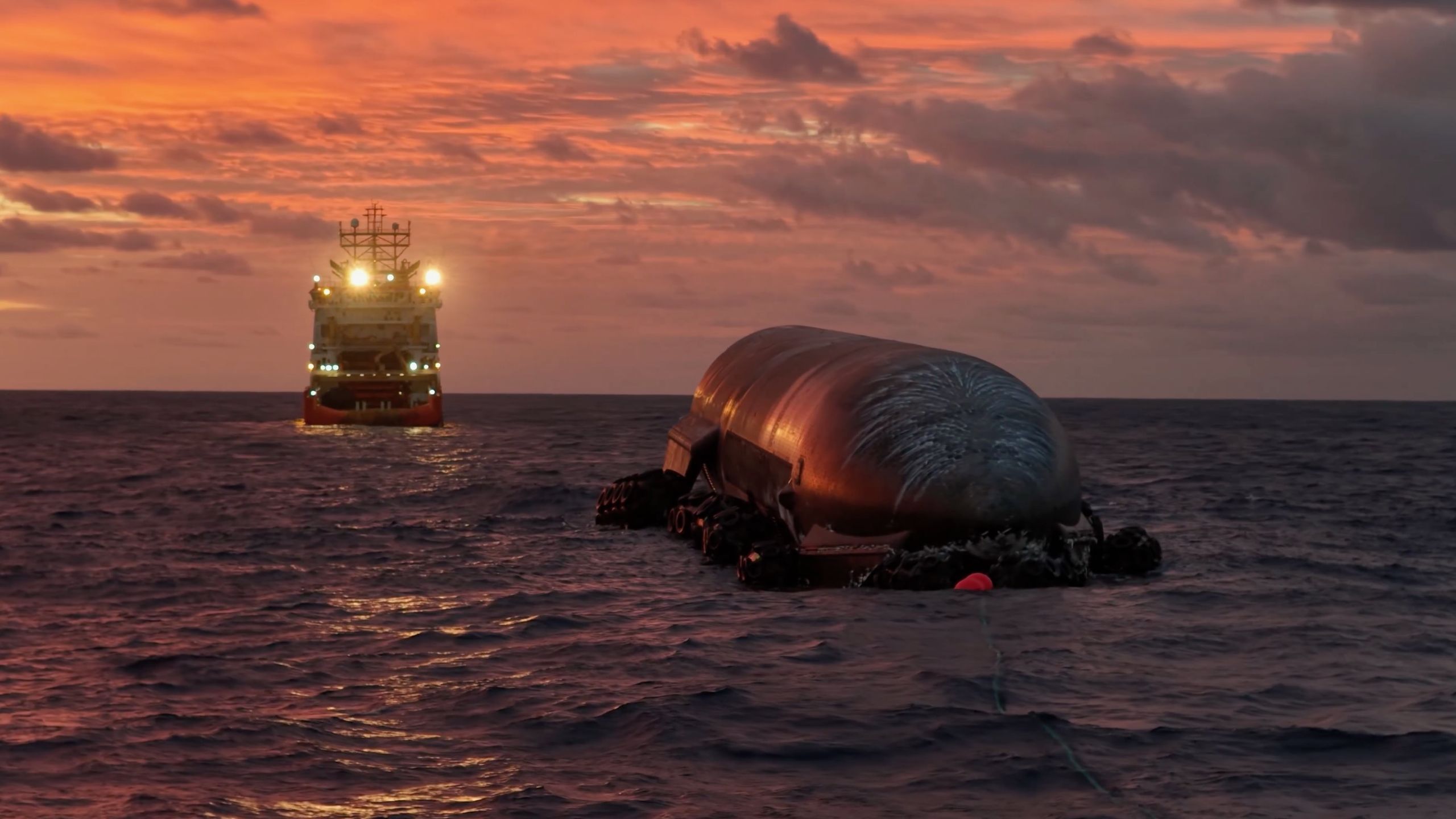
For nearly two weeks, a dedicated SpaceX recovery team has been maneuvering through the Indian Ocean, attempting to secure the floating behemoth. The operation has been hampered by increasingly volatile sea states and the sheer logistical complexity of towing a 52-meter-long, titanium-and-steel cylinder through open waters.
"The SpaceX recovery team has been overcoming challenging conditions and increasingly rough seas as they attempt to guide the 52-meter-long spacecraft to port," the company stated in an official update on social media.
Despite the valiant efforts of the recovery crew, Musk offered a somber assessment on X (formerly Twitter). "Unfortunately, ship recovery is not looking good right now," Musk wrote. He noted, however, that the mission was far from a total loss. By keeping the ship afloat and in relative proximity for an extended period, the team was able to capture high-resolution imagery and telemetry data of critical components, specifically the heat shield and engine bays, which will be instrumental for future design iterations.
Heat Shielding: A Technological Breakthrough
Perhaps the most significant takeaway from Flight 13 is the performance of the vehicle’s thermal protection system. For years, the durability of the heat shield has been viewed as the "make-or-break" challenge for Starship. The intense friction generated during re-entry can reach temperatures exceeding 2,500 degrees Fahrenheit, enough to compromise even the most advanced materials.
On August 4, during SpaceX’s first-ever quarterly earnings call—a sign of the company’s maturing financial structure—Musk expressed uncharacteristic confidence regarding the heat shield. "I don’t want to jinx it or anything, but I think I’d consider the heat shield problem solved at this point," he stated.
This success is pivotal. If the heat shield can reliably withstand the rigors of atmospheric re-entry, it removes one of the primary technical barriers to achieving the "rapid reuse" model. This model is essential for the economics of the company’s long-term vision, which includes the deployment of a massive, 100,000-satellite constellation to provide high-speed internet access globally.
Implications for the Future of Spaceflight
The struggle to recover the Ship from the Indian Ocean highlights the "last mile" problem of rocket reusability. While the industry has made significant strides in landing boosters back on launch pads or drone ships—a feat SpaceX pioneered with its Falcon 9 fleet—the recovery of a full-scale upper stage from a remote ocean location remains an unrefined art.
1. Reusability and Cost Efficiency
SpaceX’s business model relies on the ability to fly, land, and relaunch vehicles with minimal refurbishment. If the company cannot reliably retrieve the hardware, they lose the ability to perform the "tear-down" inspections necessary to certify the ship for its next flight. While the data obtained from Flight 13 is sufficient to influence the design of Flight 14, the inability to physically inspect the ship limits the company’s ability to validate these designs in a real-world, post-flight environment.
2. The Starlink Expansion
The successful deployment of 20 Starlink V3 satellites during this mission underscores the transition of Starship from a prototype to an operational workhorse. These satellites are the backbone of SpaceX’s plan to create an AI-integrated orbital constellation. As the constellation grows from its current size to a projected 100,000 units, the cost-per-kilogram to orbit must drop significantly. Starship is the only vehicle capable of achieving this, and its reliability is therefore the most critical asset in Musk’s portfolio.
3. Engineering Lessons
The "ocean adventure" has provided engineers with an unexpected laboratory. By observing how the Ship behaves while bobbing in the ocean, SpaceX is learning how the vehicle interacts with salt water, wave impact, and long-term buoyancy. These are variables that were previously theoretical. Whether the ship is recovered or eventually scuttled, the images of the heat shield and engine nozzles—captured while the ship was in the water—provide a rare glimpse into the wear and tear of space travel.
The Path Forward
As of August 7, the recovery mission continues, though expectations have been tempered. The primary goal has shifted from "full vehicle salvage" to "data extraction."
For the aerospace community, Flight 13 represents a maturing of the Starship program. The focus is no longer on whether the rocket can reach space or survive the journey—it has proven it can do both. The new frontier is the logistical endurance of the vehicle: can it be brought home, inspected, and prepped for a second life?
Even if the Flight 13 Ship never returns to Starbase, its legacy is secured. It has proven that the most difficult engineering challenges—thermal protection and orbital deployment—are within grasp. The lessons learned in the choppy waters of the Indian Ocean will inevitably be integrated into the next generation of Starships, further cementing SpaceX’s trajectory toward revolutionizing the human presence in space.
As the recovery team continues their work, the eyes of the world remain fixed on the horizon, waiting to see if this singular piece of space-age engineering will make it to the shore, or if it will be remembered as the pioneer that paved the way for the next, more successful, recovery attempt.