For over three decades, the scent of glossy paper and the sight of vivid, painted covers featuring the titans of science fiction were a monthly ritual for millions. Starlog, the quintessential magazine for fans of the fantastical, served as the primary bridge between the burgeoning geek culture of the 1970s and the cinematic explosion of the early 2000s. After a 17-year hiatus that left a noticeable void in the landscape of genre journalism, the legendary publication is officially returning.
As of November 13, 2026, Starlog is being resurrected as an annual print publication. For a generation that grew up in the era of physical media, this is more than just a brand revival; it is a reclamation of a specific, tactile way of consuming culture. In an age dominated by ephemeral digital snippets and algorithm-driven content, the return of Starlog—now available for pre-order—represents a significant moment for enthusiasts and media historians alike.
The Genesis: A Look Back at the 1976 Launch
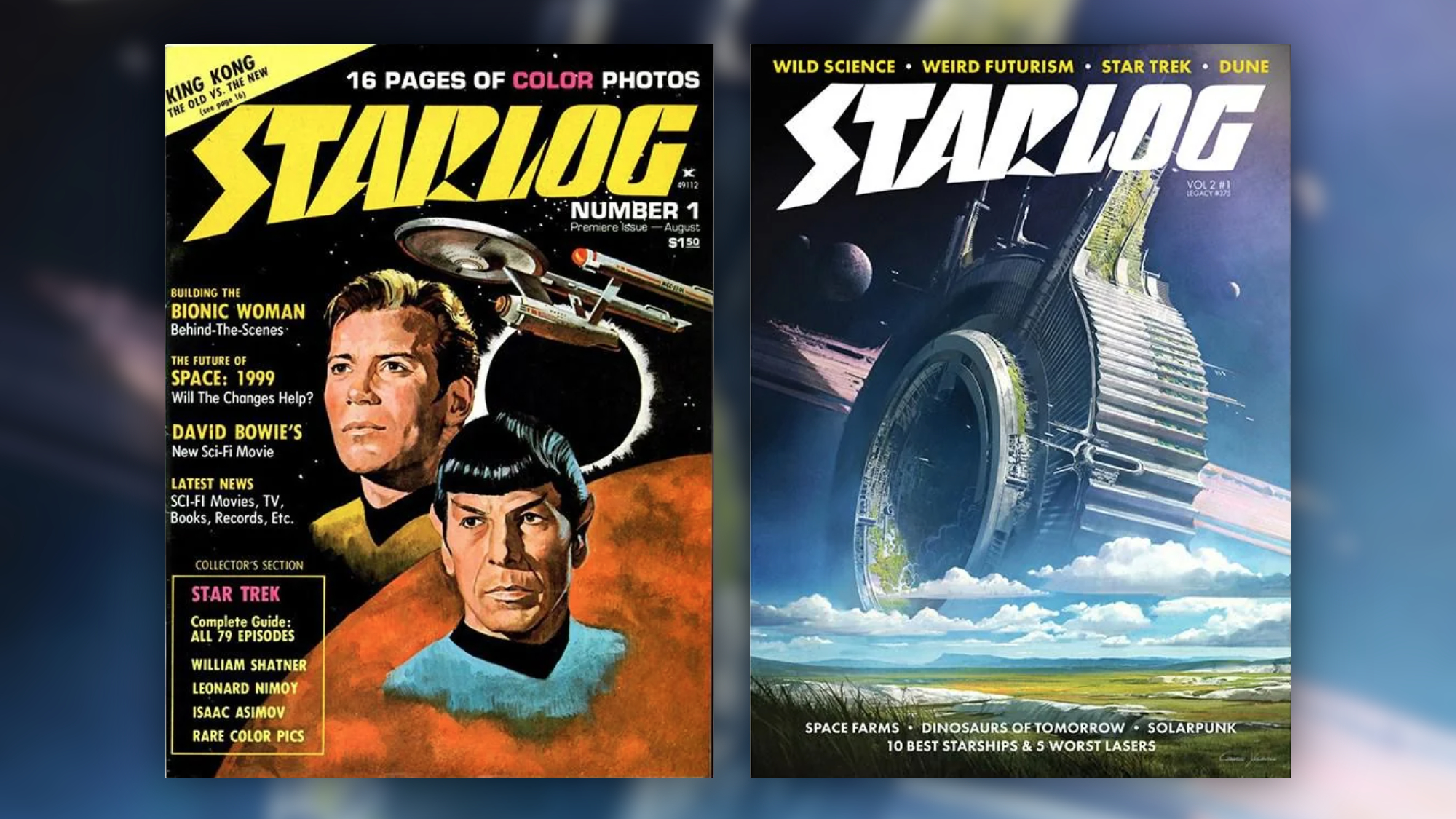
To understand the weight of Starlog’s return, one must appreciate its humble and daring beginnings. Launched in 1976—a full year before George Lucas’s Star Wars would forever alter the global pop-culture consciousness—Starlog was a pioneer. Under the editorial guidance of Terry O’Quinn, the magazine took science fiction seriously at a time when the genre was frequently relegated to the fringes of "B-movie" status.
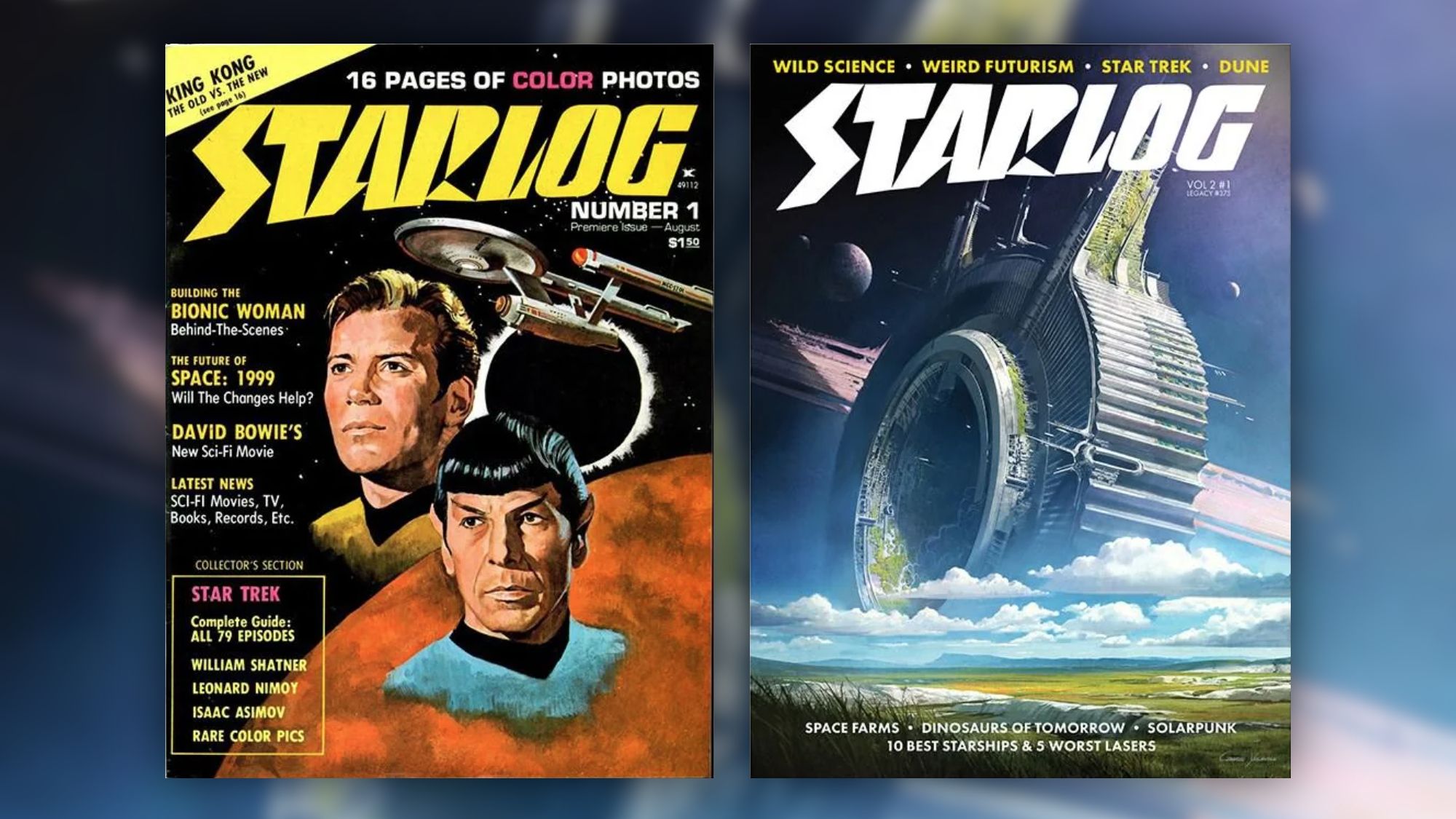
The debut issue made an immediate, indelible impression. It featured a stunning, hand-painted cover by artist Jack Thurston, depicting William Shatner as Captain James T. Kirk and Leonard Nimoy as Spock, set against the backdrop of the U.S.S. Enterprise hovering near a shimmering, ominous black hole. It was a promise to the reader: this magazine would treat the intellectual depth and visual spectacle of sci-fi with the reverence it deserved.
Throughout the late 70s, the 80s, and the 90s, Starlog became the definitive authority. It was the place to find exclusive behind-the-scenes photographs, in-depth interviews with the pioneers of special effects, and comprehensive retrospectives on the books and television shows that were shaping the future. Before the internet turned news into a 24/7 ticker, Starlog was the gatekeeper of excitement, the monthly digest that fans would devour from cover to cover.
A Chronology of a Legacy: From Peak to Pause
The timeline of Starlog mirrors the evolution of the sci-fi industry itself.
- 1976: The inaugural issue hits newsstands, establishing the magazine as the voice of the fan community.
- 1977–1985: The "Golden Age" of Starlog. As Star Wars, Star Trek (the film series), Alien, and Blade Runner redefined cinema, the magazine served as the vital documentarian for these franchises.
- 1990s: The magazine pivots to cover the "Golden Age of Sci-Fi Television," focusing on the expanded universes of Star Trek: The Next Generation, The X-Files, and Babylon 5.
- 2009: Following years of declining circulation caused by the rapid shift to digital media and the proliferation of online fan sites, Starlog ceases its monthly print publication.
- 2026: After 17 years in the archives, Fangoria Holdings announces the return of the title, with the release of Issue #375.
The 2009 collapse was emblematic of a broader crisis in print journalism. The immediacy of the internet meant that by the time a monthly magazine hit the stands, the news was often weeks old. However, the current revival seeks to bypass that competition by embracing a "collector’s edition" format. By pivoting to an annual release, Starlog is positioning itself not as a news source, but as a cultural artifact—a high-quality, archival-grade publication that values deep-dive essays and long-form analysis over fleeting headlines.
The New Guard: Modernizing the Archive
The revival of Starlog is not a mere nostalgic cash-grab; it is being helmed by those who deeply understand the magazine’s cultural significance. Annalee Newitz, co-founder of the influential site io9, has stepped into the role of editor-in-chief. Her background in bridging the gap between academic sci-fi analysis and mainstream fan culture suggests a new, sophisticated direction for the magazine.
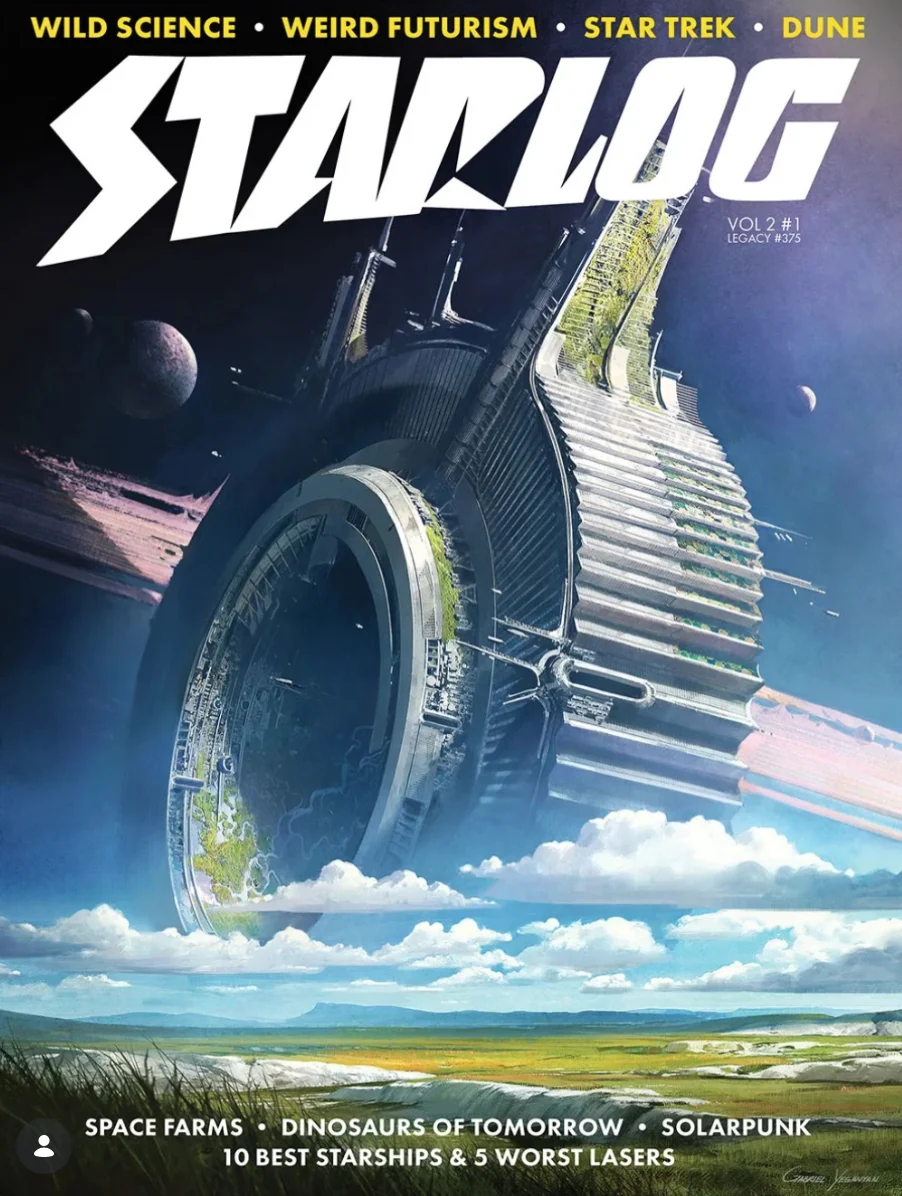
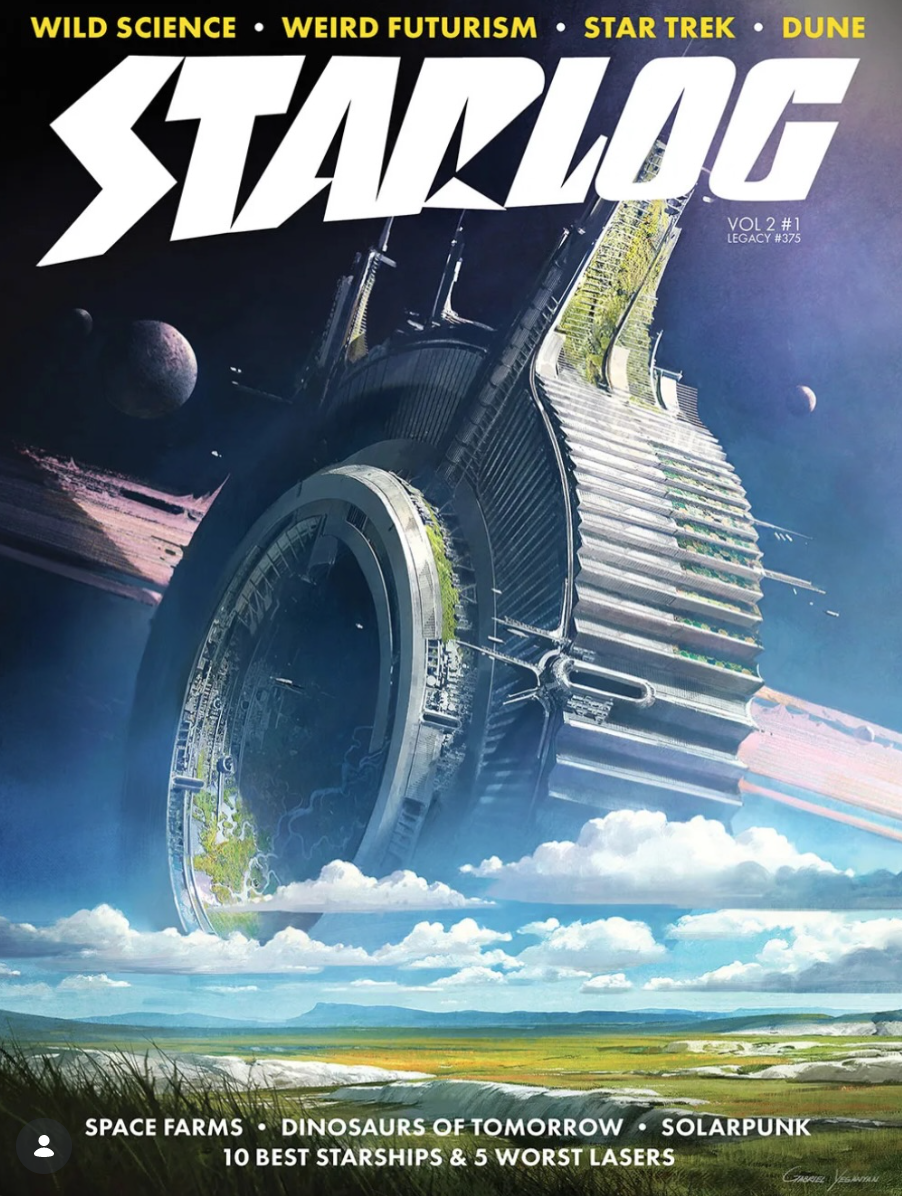
The 2026 relaunch—Issue #375—features striking cover art by Armenian artist Gabriel Yeganyan, signaling a commitment to the magazine’s tradition of commissioning high-end, original illustrations rather than relying on standard movie posters.
Official Responses: Bridging Reality and Fiction
The decision to bring back Starlog comes at a time when the thematic core of the magazine—the exploration of the future—has never been more relevant. Tara Ansley of Fangoria Holdings highlights the irony of the current cultural moment in her recent statement regarding the relaunch:
"During its original 33-year run, Starlog documented science fiction as it evolved across film, television, books, technology, and culture," Ansley stated. "Fifty years after the magazine first launched, the line between science fiction and the real world has become increasingly difficult to separate. That makes this an especially interesting time to bring Starlog back. Technology may change, but the most compelling questions have always been about people: how we live, what we create, and what kind of future we want to build."
This sentiment captures the "why" behind the revival. In 1976, Starlog was looking toward a future that seemed distant and fantastic. Today, we are living in a world of AI, private space flight, and advanced robotics—the very tropes that once populated the pages of the magazine. By returning, Starlog isn’t just looking backward at its own history; it is positioning itself to critique and analyze the present.
Implications: The Shift Toward Digital Fatigue
The return of Starlog is part of a larger, observable trend: the "analog renaissance." Across the board, consumers are showing signs of extreme digital fatigue. The constant barrage of notifications, the infinite scroll of social media, and the ephemeral nature of digital articles have left a gap in the market for "slow media"—content that is designed to be held, kept, and savored.
The Value of Physicality
The resurgence of vinyl records, film photography, and now, legacy print magazines, suggests that there is a tangible value in physical media that digital files cannot replicate. For a Starlog subscriber, the magazine is a tangible piece of their identity. It is something that can be shelved, referenced years later, and passed down.
Economic Sustainability
Can a print magazine survive in 2026? By adopting an annual, high-quality, premium format, Starlog is targeting the collector’s market rather than the casual reader. This is a sound economic strategy. It removes the pressure of the monthly print/distribution cycle, which was the primary driver of the magazine’s collapse in 2009, and instead focuses on creating a "must-have" annual volume that functions more like a coffee-table book than a newsstand rag.
Looking Ahead: The Future of the Archive
As fans eagerly await the release of Issue #375 on November 13, the discourse surrounding the relaunch is largely positive. It suggests that the brand equity of Starlog remains potent. For those who grew up reading it, the magazine is a time capsule of their own personal discovery of genre fiction. For the younger generation, it offers a glimpse into a time when fandom was curated and communal rather than algorithmically segmented.
Whether the publication can maintain its momentum will depend on its ability to balance the reverence for its past with the demands of the modern era. However, if the current excitement is any indication, there is still a massive appetite for the kind of thoughtful, beautiful, and dedicated journalism that Starlog championed for over three decades.
The return of the "Geek Bible" is not just a triumph for the brand; it is a victory for anyone who believes that science fiction is more than just a diversion—it is a mirror held up to society, one that deserves to be polished, printed, and preserved. As the countdown to the release continues, it is clear that Starlog is ready to blast off into its next half-century, ensuring that the dreamers, the creators, and the fans have a place to call home.
Fans can secure their place in the next chapter of history by visiting the official Starlog website to pre-order the first annual edition.