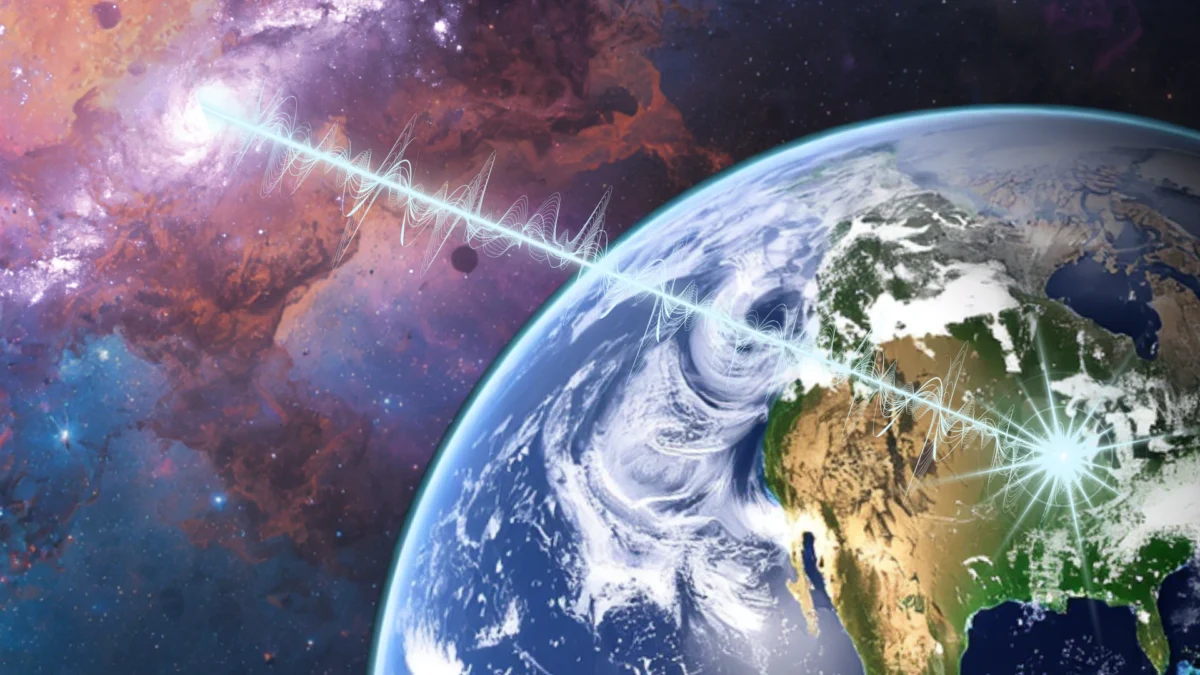
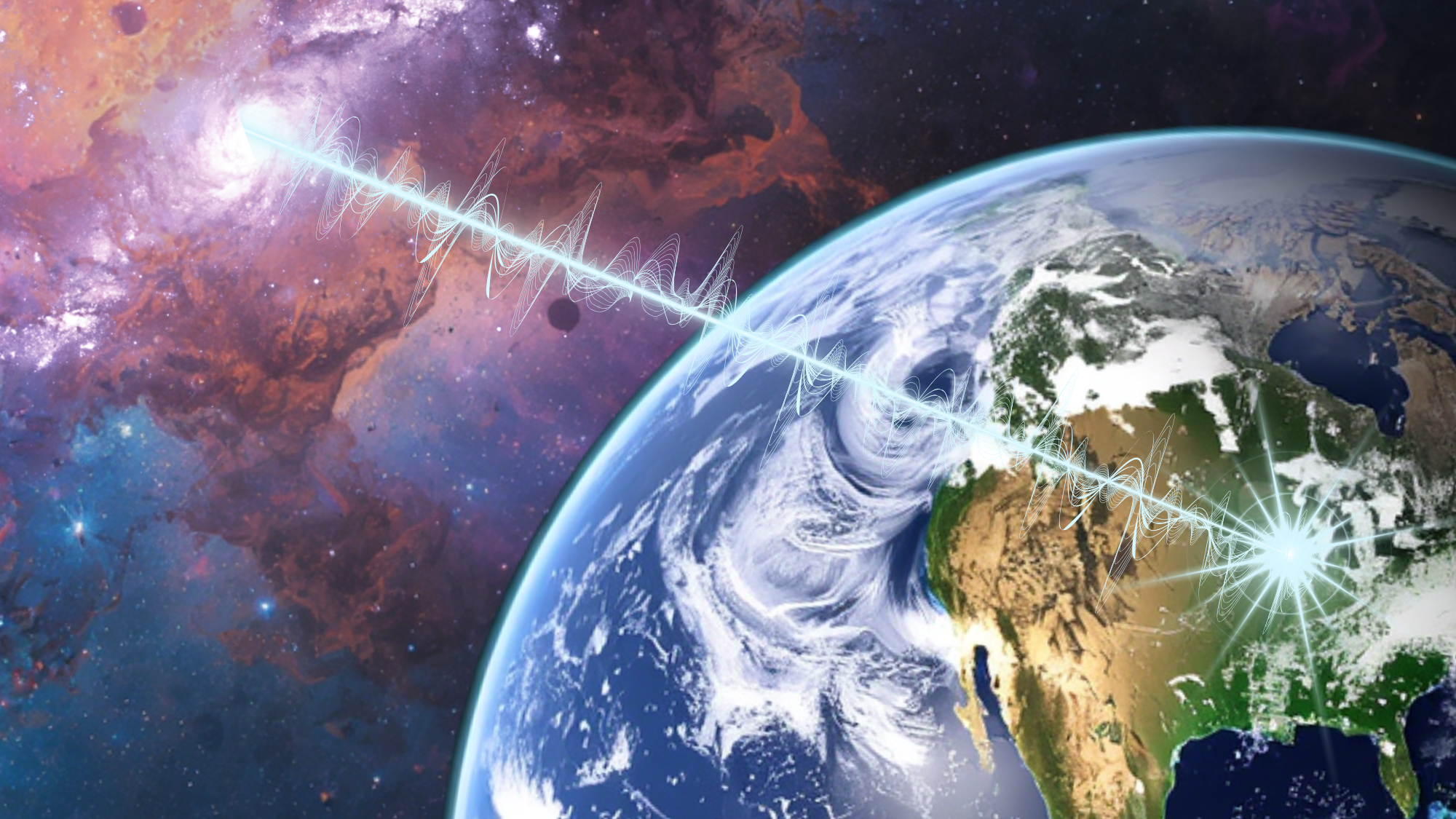
In the silent, vacuum-sealed expanse of the cosmos, there exist events of such profound intensity that they defy human comprehension. Among the most enigmatic of these are Fast Radio Bursts (FRBs)—millisecond-long pulses of energy that can briefly outshine the entire galaxy from which they originate. Though these phenomena release as much energy in a fraction of a second as our sun does in three days, they remain fundamentally invisible to the human eye. Now, thanks to a unique collaboration between high-energy astrophysics and avant-garde composition, these invisible signals are finally being brought into the audible realm.
"The Logos," a sound installation currently housed in Finland’s Oulu Cathedral, represents a bridge between the cold, hard data of intergalactic space and the visceral, human experience of sound. By translating radio wave telemetry into acoustic phenomena, researchers and artists are attempting to render the "melody" of the universe accessible to our senses.
The Enigma of Fast Radio Bursts: Main Facts
Fast Radio Bursts are essentially high-energy electromagnetic pulses originating from deep space. Since their initial discovery in 2007, they have stood as a primary mystery in modern astronomy. They are brief, transient, and incredibly powerful, often traveling billions of light-years before reaching our sensors.
Despite their prevalence, the mechanism driving these explosions remains a subject of intense scientific debate. For years, the community struggled with a scarcity of data; because FRBs are unpredictable and vanish in an instant, capturing them required a degree of "astronomical luck." However, the landscape of this research shifted dramatically with the deployment of the Canadian Hydrogen Intensity Mapping Experiment (CHIME).
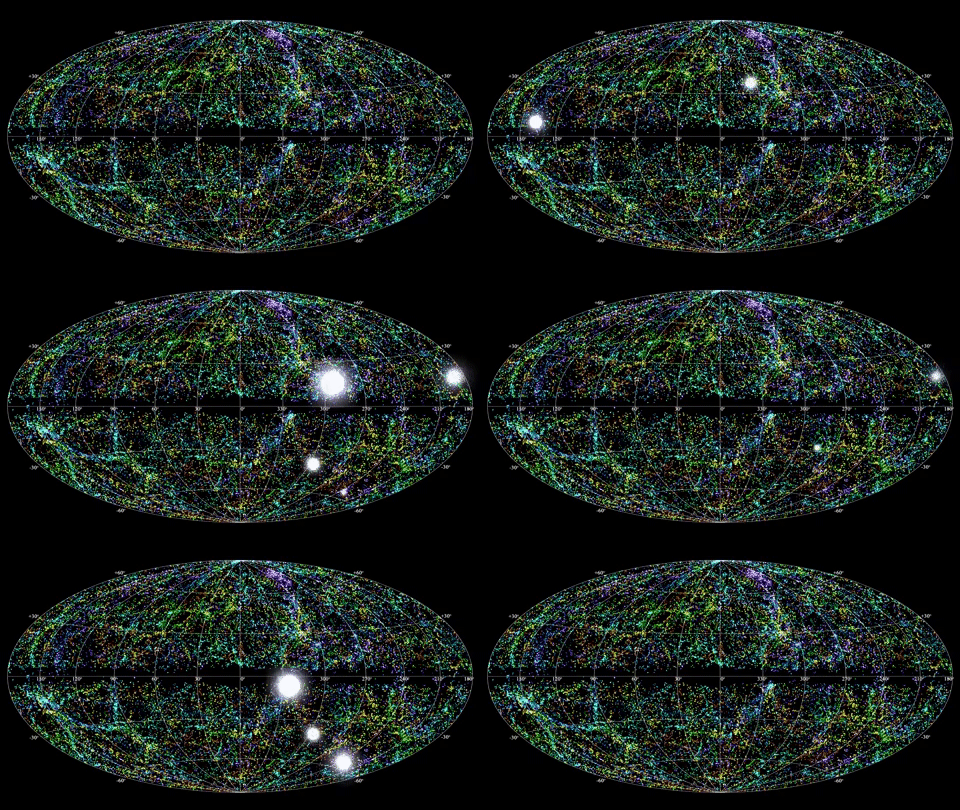
Located in British Columbia, CHIME’s wide field of view and advanced supercomputing capabilities have revolutionized the field. Between 2018 and 2023, the instrument recorded 4,539 distinct bursts from 3,641 unique sources, effectively turning a trickle of data into a deluge. This influx of information has allowed scientists to move beyond merely detecting these events to beginning to categorize them, leading to the current consensus that many—if not all—FRBs are linked to the environment surrounding rotating neutron stars.
A Chronology of Discovery and Understanding
The timeline of FRB research is a testament to the rapid pace of modern technological advancement in space observation.
- 2007: The first Fast Radio Burst is discovered, later dubbed the "Lorimer Burst," named after astronomer Duncan Lorimer. It was found in archived data from the Parkes Observatory in Australia.
- 2012: The first repeating FRB is identified, proving that these are not necessarily one-off cataclysmic events. This discovery was critical in narrowing down the possible astrophysical sources.
- 2018–2023: The CHIME telescope in Canada begins operations, utilizing its unique design to survey the sky with unprecedented sensitivity. It quadruples the number of known bursts, providing a robust dataset for statistical analysis.
- 2024: Researchers using the James Webb Space Telescope (JWST) identify the host galaxy of the most distant FRB yet recorded. The signal originated from a period when the universe was only 3 billion years old, providing a "time machine" look at these energetic events.
- 2025: The intersection of art and science culminates in "The Logos," where real-time and recorded FRB data are sonified, bringing the reality of these cosmic events to the general public in a way never before attempted.
The Science of Sonification: Translating Data to Sound
The process of "sonification"—turning data into sound—is far more than a creative exercise; it is an act of translation. Kiyoshi Masui, an associate professor of physics at MIT, worked alongside composer Andrew Melchior to transform raw radio telemetry into acoustic frequencies.
The fundamental challenge in this process lies in the physical nature of the signals. When an FRB travels across billions of light-years, it interacts with intergalactic gas. This interaction causes a phenomenon known as "dispersion." As the radio waves pass through clouds of plasma, the higher frequencies travel slightly faster than the lower frequencies.
When translated into sound, this manifests as a distinct "chirp" or a downward sweep, where the pitch starts high and falls rapidly. By mapping these specific signal structures to musical notes and playing them through a 12-speaker array within the cavernous, resonant space of Oulu Cathedral, Melchior has turned the cathedral itself into a giant ear, sensitive to the whispers of the early universe.
"You can hear that dispersion as it falls from the dome," Melchior explained. The oldest of these signals have been traveling through space for up to 9 billion years, meaning the sound attendees hear at the cathedral is a haunting echo of an era long before our solar system had fully formed.
Supporting Data and Theoretical Implications
The data harvested by CHIME and further analyzed by JWST have forced astronomers to refine their theories regarding the origins of FRBs. Initially, many hypothesized that these bursts were the result of merging neutron stars—a process that typically occurs in older, more mature galaxies where such binary systems have had time to form and eventually collide.
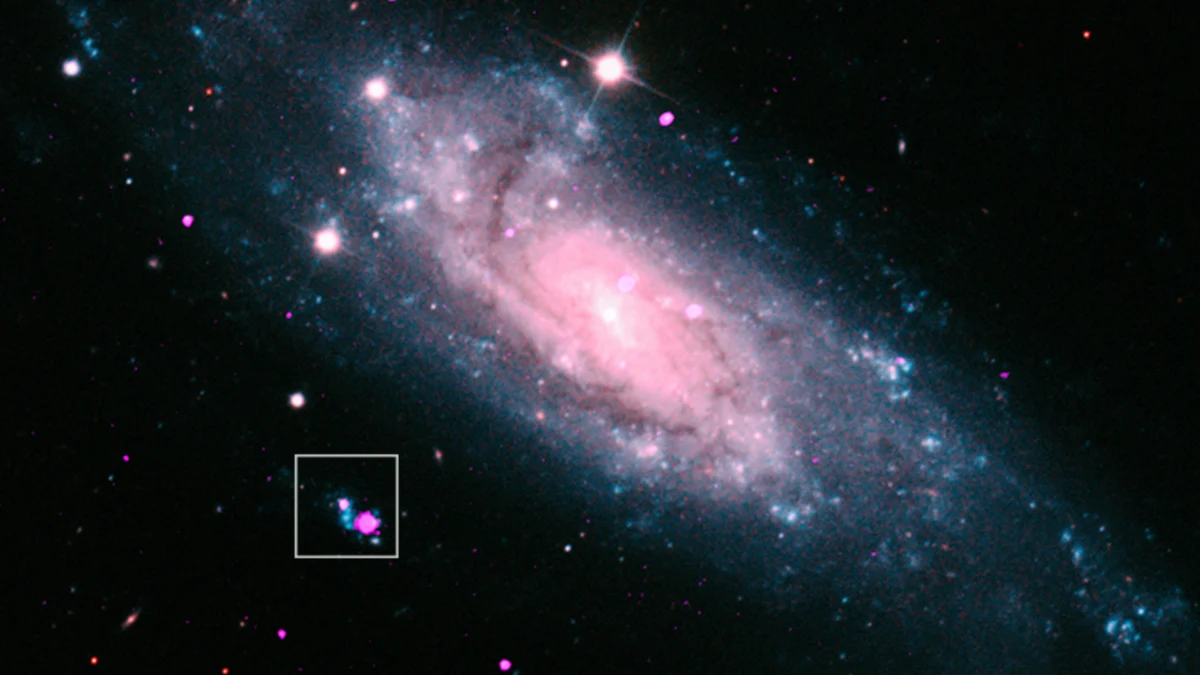
However, the recent discovery of an FRB in a young, star-forming dwarf galaxy has complicated this model. The timeline for a merger is generally too long for the observed age of the host environment. This has bolstered the "magnetar" theory. Magnetars are young, highly magnetic neutron stars that form immediately following the supernova of a massive star. Being young, they exist in the high-energy, star-forming environments where these distant bursts are increasingly being located.
As NASA notes, this shift in focus toward magnetars as the primary candidates for FRB production provides a more consistent model for the observations. It suggests that these flashes are the "birth cries" of extreme objects, rather than the final "death throes" of older binary systems.
Official Responses and Collaborative Vision
The project at Oulu Cathedral is supported by a mix of academic rigor and artistic ambition. For researchers like Masui, the installation is a way to communicate the sheer scale of the cosmos. "It should feel rich and layered, while also revealing something real about how these signals travel across billions of years of cosmic space before reaching Earth," Masui stated in an MIT press release.
The project is slated for a high-profile culmination on November 21, when 30 singers will perform a piece intended to "sing back to the sky." By integrating live vocal performance with the recorded data of ancient, celestial explosions, the participants aim to create a dialogue between Earth and the void.
This project serves as a reminder that science is not merely the accumulation of data, but a human endeavor to interpret the universe. The ability to hear the "melody" of an FRB—the rhythmic popping and whistling of energetic events occurring in galaxies millions of light-years away—offers a sensory connection to the cosmos that traditional graphs and spreadsheets cannot provide.
Broader Implications for Astronomy
The success of "The Logos" and the ongoing discoveries made by CHIME and JWST highlight a golden age in time-domain astronomy. We are moving from a period where we were blind to these transient events to a time where we can map their distribution, understand their environments, and even interpret their physical properties through alternate sensory channels.
The implications are twofold. Scientifically, the continued study of FRBs will allow us to map the distribution of intergalactic gas, using the bursts as "probes" that illuminate the hidden structures of the universe. Culturally, the bridge built by Melchior and Masui demonstrates the power of interdisciplinary collaboration. By inviting the public to listen to the history of the universe, the scientific community fosters a deeper public engagement with astrophysics, transforming abstract mathematical concepts into a shared, profound experience.
As we look toward the future, the integration of AI in data processing and the potential for new, more sensitive radio arrays suggest that we are only scratching the surface of what FRBs can tell us. For now, the echoes from the Oulu Cathedral serve as a haunting, beautiful reminder that while the universe may be silent, it is far from quiet—if only we know how to listen.